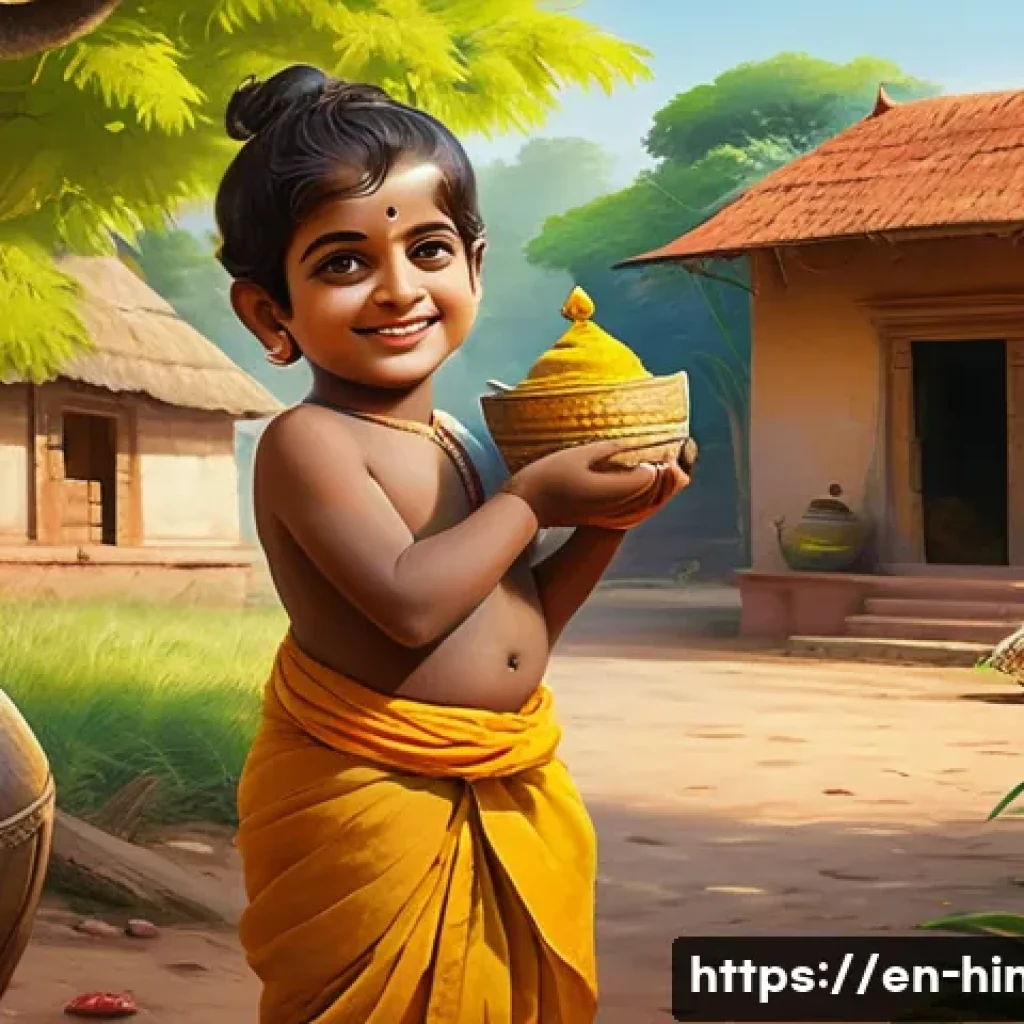
Krishna, one of the most beloved deities in Hindu mythology, embodies a fascinating blend of divine playfulness and profound wisdom. His stories, rich with adventure, romance, and spiritual teachings, have captivated millions across centuries.

From his miraculous childhood feats to his role as a charioteer in the Mahabharata, Krishna’s life offers timeless lessons on love, duty, and devotion.
Exploring his myth brings insight into the cultural and philosophical depths of Hinduism. If you’re curious about the enchanting tales and deeper meanings behind Krishna’s legend, let’s dive in and uncover the magic together!
The Playful Mischief and Childhood Wonders
Early Escapades and Divine Pranks
One of the most charming aspects of Krishna’s story lies in his childhood, where he was the ultimate prankster. From stealing butter to teasing the village girls, his playful nature was legendary.
These tales aren’t just lighthearted anecdotes; they reveal a divine being engaging with the world in a way that’s approachable and full of joy. I remember reading about how Krishna would sneak into houses and swipe freshly churned butter, earning both frustration and affection from the villagers.
This mischievous behavior symbolized innocence and the spontaneous delight that life can bring, even amidst hardships.
Miraculous Feats That Defy Logic
Beyond his playful side, Krishna’s childhood was packed with astonishing miracles. As a baby, he famously defeated demons sent to kill him, showcasing his divine protection early on.
For example, when the monstrous serpent Kaliya poisoned the Yamuna River, Krishna’s fearless dance on its many heads cleansed the waters, freeing the people.
These stories give a glimpse into his role as a protector and savior, blending supernatural power with a deep connection to nature and community. Experiencing these tales felt like diving into a world where faith and wonder coexist seamlessly.
Lessons Hidden in Childhood Tales
What fascinates me is how these childhood stories carry profound spiritual lessons beneath their surface. Krishna’s butter thefts, for instance, symbolize the soul’s longing for divine love, while his playful interactions teach us to embrace joy and lightness in life.
His fearlessness against evil reminds us to confront challenges with courage and faith. The way these narratives interweave entertainment with meaning is a storytelling masterclass, inviting everyone to reflect on their own journey with a smile and an open heart.
The Complex Role of Krishna in the Mahabharata
Charioteer and Guide to Arjuna
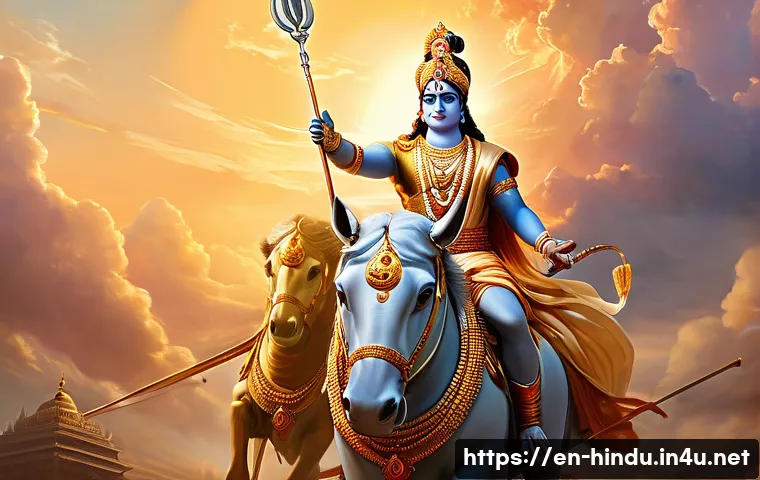
Krishna’s role in the Mahabharata is often seen as the turning point of the epic. As Arjuna’s charioteer, he wasn’t just a driver but a wise counselor whose words shaped the course of the battle and philosophy.
His guidance during the battlefield’s confusion and moral dilemmas highlights his mastery in balancing duty with righteousness. I’ve always found it remarkable how Krishna remains calm and composed amidst chaos, embodying the ideal mentor figure who leads through wisdom rather than force.
The Bhagavad Gita: Spiritual Philosophy in Action
The dialogue between Krishna and Arjuna, known as the Bhagavad Gita, is a cornerstone of spiritual thought worldwide. It addresses the struggle between action and inaction, attachment and detachment, and the nature of the self.
What I find deeply moving is Krishna’s encouragement to act according to one’s dharma (duty) without being attached to the results. This teaching resonates beyond religious boundaries, offering practical advice for anyone facing tough decisions or moral conflicts.
Krishna’s Diplomacy and Strategy
While often remembered for his spiritual insights, Krishna was also a shrewd strategist and diplomat. His role in negotiating peace before the battle and crafting alliances demonstrates a sharp mind attuned to the complexities of human nature and politics.
This aspect of Krishna shows that divine wisdom includes practical intelligence and adaptability, something I think is often overlooked but crucial when reflecting on leadership in any context.
The Symbolism of Krishna’s Relationships and Love
Radha and the Divine Romance
The love story between Krishna and Radha is one of the most poetic and celebrated in Hindu mythology. Beyond a simple romance, it symbolizes the soul’s deep yearning for union with the divine.
Radha’s devotion and Krishna’s playful reciprocation highlight the ecstatic and transformative power of love. Personally, I’ve found this relationship inspiring because it portrays love as a spiritual path, full of both longing and joy, rather than just an emotional experience.
The Gopis: Devotion in Action
Krishna’s interactions with the gopis (milkmaids) represent pure, unconditional devotion. Their willingness to abandon social norms to be with Krishna reflects the ideal of surrendering ego and worldly attachments.
It’s fascinating how these stories blend sensuality with spirituality, teaching that true devotion transcends conventional boundaries. Experiencing this narrative made me appreciate the diversity of love expressions and the depth of faith it can embody.
Marriage and Family Dynamics
Though Krishna is often remembered for his youthful escapades, his life also includes complex family relationships. His marriages, especially to Rukmini and Satyabhama, reveal different facets of his personality—from romantic to regal.
These stories explore themes like loyalty, duty, and the challenges of balancing personal desires with responsibilities. Reflecting on these narratives reminds me that even divine figures navigate human emotions and social expectations, making their stories relatable on many levels.
Krishna as a Cultural Icon and Inspiration
Artistic Depictions Through Ages
Krishna’s image has inspired countless artists, poets, and musicians over the centuries. From classical Indian paintings to modern Bollywood films, his portrayal adapts to reflect the cultural zeitgeist while retaining core symbolism.
I’ve noticed how each era emphasizes different traits—sometimes the mischievous child, sometimes the wise teacher—making him a versatile muse. This ongoing artistic dialogue keeps Krishna relevant and accessible, inviting new generations to connect with his stories.
Festivals Celebrating Krishna’s Legacy
Festivals like Janmashtami, which marks Krishna’s birth, are vibrant celebrations filled with music, dance, and devotion. Participating in or witnessing these events offers a vivid experience of how deeply Krishna’s narrative is woven into cultural life.
The energy and communal spirit during these festivals highlight the joy and reverence his story inspires. Personally, attending Janmashtami festivities gave me a sense of belonging and a firsthand look at how mythology can shape living traditions.
Modern Spiritual Movements and Krishna
In contemporary spirituality, Krishna remains a pivotal figure. Movements like ISKCON (International Society for Krishna Consciousness) have introduced his teachings worldwide, emphasizing bhakti yoga (devotional practice).
What strikes me is how these modern interpretations maintain the essence of Krishna’s message while adapting to global contexts. This adaptability shows the timelessness of his wisdom and its potential to inspire personal transformation regardless of cultural background.
Philosophical Depths and Ethical Teachings
The Concept of Dharma and Duty
Krishna’s teachings consistently emphasize dharma—living according to one’s righteous duty. This principle challenges us to act with integrity, even when faced with difficult choices.
I’ve found that embracing dharma requires constant self-reflection and courage, qualities Krishna models throughout his life. His example encourages us to prioritize ethical action over personal gain, reminding me of the importance of conscience in everyday decisions.
Detachment and Devotion
One of Krishna’s paradoxical teachings is to perform one’s duties without attachment to outcomes, fostering a mindset of detachment combined with wholehearted devotion.
This balance is tricky but essential for mental peace and spiritual growth. Personally, practicing this has helped me navigate stress and uncertainty by focusing on effort rather than results, a lesson drawn directly from Krishna’s counsel.
The Unity of the Self and the Divine
Krishna’s philosophy points toward recognizing the divine presence within every individual. This idea dissolves the boundaries between self and other, encouraging compassion and universal love.
Experiencing this teaching feels liberating, as it invites us to see beyond superficial differences and connect with a deeper spiritual reality. Krishna’s life and words continually inspire this expansive perspective.
Key Figures and Events in Krishna’s Life
| Figure/Event | Description | Significance |
|---|---|---|
| Devaki & Vasudeva | Krishna’s biological parents who faced imprisonment | Symbolize sacrifice and protection of the divine child |
| Yashoda | Krishna’s foster mother who raised him in Gokul | Represents maternal love and nurturing |
| Kaliya Serpent | Poisonous serpent subdued by Krishna’s dance | Demonstrates triumph over evil and purification |
| Radha | Krishna’s beloved and symbol of divine love | Embodies the soul’s devotion and longing |
| Bhagavad Gita | Philosophical dialogue between Krishna and Arjuna | Core spiritual teachings on duty, action, and self-realization |
| Janmashtami | Festival celebrating Krishna’s birth | Highlights cultural devotion and joyous celebration |
Krishna’s Enduring Influence in Modern Culture
Popular Media and Storytelling
Krishna’s tales continue to be retold in books, television shows, and movies, adapting his mythos for contemporary audiences. I’ve noticed how these retellings often emphasize themes like justice, love, and spiritual awakening, making his story accessible and relevant.
This ongoing cultural presence keeps Krishna alive in the collective imagination, bridging ancient wisdom with modern storytelling techniques.
Global Spiritual Communities
Krishna’s teachings have transcended geographical and cultural boundaries, inspiring spiritual seekers worldwide. From yoga practitioners to scholars, many find his philosophy a source of guidance and comfort.
Being part of such a diverse community has shown me how universal Krishna’s message is, fostering a sense of global connection grounded in shared values.
Personal Reflection and Life Lessons
Ultimately, Krishna’s life invites each of us to explore our own path with courage, joy, and devotion. His blend of divine playfulness and profound wisdom encourages embracing life’s complexities with a light heart and clear purpose.
Reflecting on Krishna’s stories has personally helped me find balance during challenging times, reminding me that spirituality can be both deeply meaningful and delightfully human.
글을 마치며
Krishna’s life and teachings offer a remarkable blend of joy, wisdom, and spiritual depth that continue to inspire across cultures and generations. His playful nature and profound philosophy remind us that spirituality can be both accessible and transformative. Exploring his stories encourages us to embrace life with courage, devotion, and a light heart. Ultimately, Krishna’s enduring legacy invites each of us to find meaning and connection in our own unique journey.
알아두면 쓸모 있는 정보
1. Krishna’s childhood pranks symbolize the innocence and spontaneous joy that life can offer, making his divine nature relatable and approachable.
2. The Bhagavad Gita, delivered by Krishna, is a foundational text for understanding duty, detachment, and spiritual action beyond religious boundaries.
3. Festivals like Janmashtami provide immersive cultural experiences that celebrate Krishna’s legacy through music, dance, and community participation.
4. Krishna’s relationships, especially with Radha and the gopis, illustrate various expressions of love and devotion that go beyond conventional social norms.
5. Modern spiritual movements inspired by Krishna emphasize personal transformation through devotion and practical wisdom applicable in everyday life.
중요 사항 정리
Krishna embodies the harmony between divine playfulness and serious spiritual teachings, making his story both inspiring and accessible. His guidance in the Mahabharata highlights the importance of ethical decision-making and courage in facing life’s challenges. The symbolism in his relationships and miracles encourages us to explore love, devotion, and self-realization on multiple levels. Recognizing Krishna’s influence in art, culture, and modern spirituality reveals how timeless and adaptable his message truly is, offering valuable insights for personal growth and leadership today.
Frequently Asked Questions (FAQ) 📖
Q: Who exactly is Krishna in Hindu mythology and why is he so important?
A: Krishna is a central figure in Hinduism, revered as an incarnation of the god Vishnu. He’s celebrated not just for his divine powers but for his relatable human qualities—playfulness, compassion, and wisdom.
His stories span from miraculous childhood adventures, like lifting a mountain to protect villagers, to profound spiritual guidance delivered in the Bhagavad Gita during the Mahabharata war.
Krishna’s importance lies in how he embodies the balance between joy and duty, making his teachings timeless and deeply meaningful for followers.
Q: What are some key lessons we can learn from Krishna’s life and teachings?
A: Krishna’s life is packed with lessons that resonate even today. One of the biggest takeaways is the concept of dharma—living with righteousness and fulfilling your responsibilities without attachment to results.
His playful interactions with the gopis (milkmaids) highlight the power of love and devotion. Also, his role as Arjuna’s charioteer teaches us about courage, selflessness, and staying calm in the face of life’s challenges.
Personally, I find Krishna’s message about embracing life fully, while staying grounded in spiritual wisdom, incredibly inspiring.
Q: How can someone unfamiliar with Hinduism begin to appreciate Krishna’s stories?
A: Starting with Krishna’s stories can feel overwhelming because they’re so rich and layered, but the key is to approach them with an open mind and heart.
Watching adaptations like the animated film “Krishna” or reading simplified versions of the Bhagavad Gita can make his teachings accessible. Also, exploring the cultural festivals like Janmashtami, which celebrates Krishna’s birth with music and dance, offers a joyful way to connect.
From my experience, immersing yourself in the stories with curiosity rather than expecting immediate understanding makes the journey rewarding and deeply enriching.