As someone who’s always been fascinated by the incredible tapestry of human belief, I find myself continually drawn to exploring the diverse spiritual paths that shape our world.
Lately, I’ve been diving deep into Hinduism, often hailed as the oldest living religion on Earth, and it’s truly a journey unlike any other. It’s a vast ocean of philosophies, traditions, and practices, sometimes quite different from what many of us in the Western world are familiar with, and honestly, that’s what makes it so captivating.
You see, when we talk about “world religions,” it’s easy to fall into comparing them side-by-side, looking for direct parallels or stark contrasts. But Hinduism often defies those neat boxes, offering a rich, multifaceted worldview that has inspired countless individuals globally and continues to evolve, even influencing modern wellness practices like yoga and meditation far beyond its origins.
There are so many intriguing aspects, from its diverse understanding of divinity (often misunderstood as polytheistic, but more nuanced than that) to its emphasis on dharma, karma, and the cycle of rebirth, that genuinely make you pause and reflect on life’s bigger questions.
I’ve personally found it incredibly enriching to learn about a tradition that embraces such a broad spectrum of thought, affirming that truth can be found in many sources.
So, if you’re curious about how this ancient, yet ever-relevant, tradition stands alongside other major global faiths, and want to peel back the layers of common misconceptions to truly appreciate its depth and unique contributions to humanity, you’re in the right place.
Let’s accurately uncover the fascinating world of Hinduism and its comparison with other global religions together!
The Divine Dance: Understanding Deity in Hinduism and Beyond
Let’s accurately uncover the fascinating world of Hinduism and its comparison with other global religions together!
A Spectrum of Divinity: Polytheism, Monotheism, and Everything In Between
When I first started exploring Hinduism, one of the biggest eye-openers for me was how its concept of divinity really stretches our typical Western understanding of God.
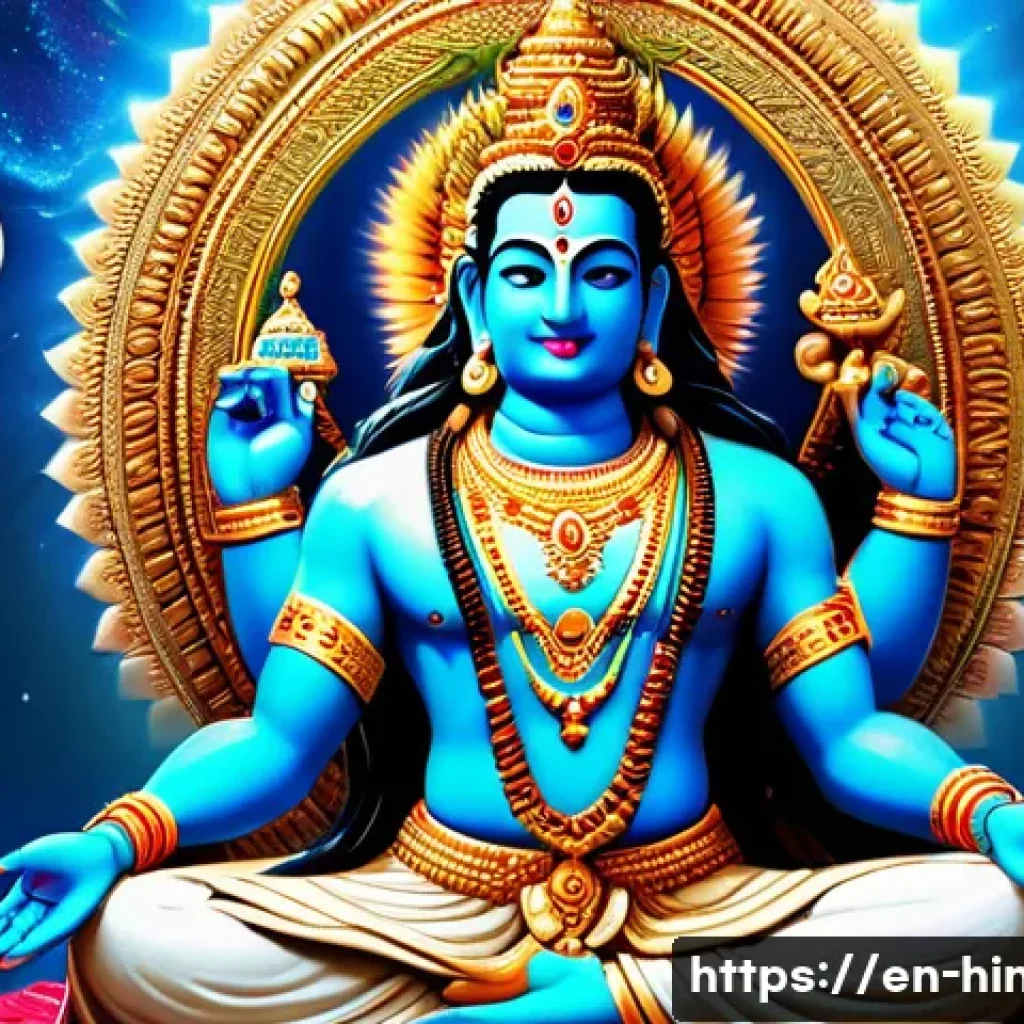
Many people, myself included at one point, might initially see the multitude of gods and goddesses like Vishnu, Shiva, and Devi and instantly label it as polytheistic.
But what I’ve come to understand is that it’s far more nuanced than that. Often, these deities are seen as different manifestations or aspects of one ultimate, impersonal reality called Brahman.
It’s like looking at a single diamond through a prism and seeing many colors – all are from the same source, just perceived differently. This concept, often termed henotheism or even panentheism, allows for a deeply personal connection to a particular deity while acknowledging the underlying unity of all existence.
This contrasts quite a bit with the Abrahamic faiths like Christianity and Islam, which emphasize a singular, transcendent God who is distinct from the created world.
Both approaches offer profound ways to connect with the divine, but the journey of understanding that fundamental difference in perspective has been truly illuminating for me.
Connecting with the Cosmos: Personal and Impersonal Gods
The beauty of Hinduism, for me, lies in its incredible flexibility in how individuals can relate to the divine. You have some traditions where the focus is on a deeply personal God, much like in many other religions.
Devotion, or Bhakti, plays a huge role here, allowing believers to form a loving, intimate relationship with their chosen deity – whether it’s Krishna, Rama, or the Divine Mother.
I’ve seen firsthand how this personal connection can bring immense comfort and purpose to people’s lives, mirroring the personal relationships many form with God in Christianity or Islam.
Yet, simultaneously, Hinduism also embraces the concept of an impersonal, absolute reality, Brahman, which is beyond form, attributes, and even human comprehension.
For those who lean into philosophical inquiry and meditation, the path might be more about realizing their own oneness with this ultimate reality, transcending the need for a personal deity altogether.
This duality, the ability to choose between a personal relationship with God or seeking an impersonal truth, is something I find incredibly unique and empowering, offering a vast spiritual playground for exploration.
It’s a testament to the religion’s ancient wisdom, allowing for diverse spiritual temperaments to find their home within its expansive framework.
Paths to Purpose: Karma, Dharma, and Ethical Frameworks
Moving beyond the divine, another profound area where Hinduism offers a rich tapestry of thought is in its ethical frameworks and how they guide a meaningful life.
When I first encountered the terms “Karma” and “Dharma,” I understood them superficially, like most people. Karma was just “what goes around comes around,” and Dharma was a vague sense of duty.
But the deeper I delved, the more I realized these aren’t just abstract concepts; they are deeply practical, life-shaping principles that offer a powerful lens through which to understand existence and our place within it.
They’re woven into the very fabric of daily life for millions, influencing everything from personal choices to societal structures. This intricate system of ethics, much like the Ten Commandments in Judaism and Christianity or the Five Pillars of Islam, provides a roadmap for moral living, but with its own distinct philosophical underpinnings that I find absolutely fascinating to unpack.
It’s not just about avoiding punishment; it’s about actively participating in the cosmic order.
Living a Meaningful Life: Moral Codes Across Faiths
One of the most compelling aspects of comparing world religions is seeing how each tradition attempts to answer the fundamental question: “How should I live?” Hinduism, with its emphasis on Dharma, provides a comprehensive framework.
Dharma isn’t just righteousness or duty; it’s about living in harmony with the cosmic order, fulfilling one’s unique purpose based on their stage of life, social role, and individual nature.
I remember talking to a friend who grew up Hindu, and she explained how her family would constantly reference ‘their Dharma’ in daily decisions, from career choices to how they treated elders.
It’s a living, breathing guide. This proactive pursuit of righteous living resonates deeply with the ethical codes found in other faiths. For instance, the Golden Rule, “Do unto others as you would have them do unto you,” appears in various forms across Christianity, Islam, and Buddhism, highlighting a universal human yearning for moral conduct.
The subtle differences, however, lie in the *why* behind these actions. In Hinduism, righteous action (Dharma) is inextricably linked to the concept of Karma, which brings us to the next point.
The Ripple Effect: Understanding Action and Consequence
The law of Karma is, without a doubt, one of Hinduism’s most widely recognized contributions to global thought, though often oversimplified. I used to think of Karma as simply good deeds leading to good outcomes and bad deeds leading to bad ones, a kind of cosmic vending machine.
But it’s far more profound. Karma isn’t just about actions; it’s about intentions, thoughts, and words, and the cumulative effect they have on our future lives, both in this existence and beyond.
It’s a natural law, like gravity, not a divine judgment. This concept of consequences extending beyond a single lifetime is a significant differentiator when compared to many Abrahamic faiths, which tend to focus on a single life, followed by a final judgment and eternal afterlife.
For me, understanding Karma has instilled a greater sense of personal responsibility, making me reflect more deeply on the long-term impact of my choices.
It emphasizes that we are the architects of our own destiny, continuously shaping our future through every moment. This profound understanding of cause and effect across lifetimes adds an incredible depth to the spiritual journey.
Life, Death, and Rebirth: Exploring Cycles of Existence
The cycle of life, death, and rebirth, or samsara, is a foundational pillar in Hinduism that truly sets it apart from many other global faiths. Before I really delved into Hinduism, my understanding of the afterlife was largely shaped by Western concepts: a single life, followed by an eternal heaven or hell.
That’s a pretty finite view, isn’t it? But then, when you encounter the vastness of samsara, it completely shifts your perspective on time, existence, and the very purpose of life itself.
It’s not just a belief; for many, it’s an inherent understanding of the universe’s mechanics. This concept profoundly influences everything from how one views suffering to their aspirations for spiritual growth.
It’s about an ongoing journey of the soul, evolving through countless experiences, rather than a one-time destination. This understanding helps contextualize so much of the philosophy and practice, and honestly, it makes you ponder the sheer scale of existence in a way that’s both humbling and inspiring.
Journey of the Soul: Samsara and Liberation
The idea that our souls are on a continuous journey through countless lifetimes, taking on different forms based on our Karma, is incredibly powerful.
When I first encountered samsara, it felt like a massive puzzle piece clicking into place, explaining so much about human experience – why some people seem to have inherent talents or face particular challenges.
It suggests that our current life is just one chapter in an expansive spiritual epic. The ultimate goal, known as moksha, is liberation from this cycle of rebirth, achieving a state of oneness with Brahman, the ultimate reality.
This isn’t about escaping punishment, but rather about transcending the limitations of individual existence and realizing a deeper truth. It’s a challenging but deeply meaningful aspiration, requiring spiritual discipline, self-knowledge, and selfless action.
This contrasts quite starkly with faiths that envision a definitive end to the individual’s journey after death, moving into a static eternal state. The dynamism and continuous evolution inherent in samsara offer a unique perspective on the soul’s trajectory.
Beyond the Veil: Perspectives on the Afterlife
When we look at how different religions imagine what happens after we shed this mortal coil, the variations are truly fascinating. In many Western traditions, the concept of a single, eternal afterlife – heaven or hell – is predominant.
It’s a definitive end to the soul’s journey in a physical body, followed by a perpetual spiritual state. But within Hinduism, the “afterlife” is more of a transition point.
Upon death, the soul (Atman) departs the body and, based on its accumulated Karma, either takes birth again in a new form (human, animal, or even celestial), or, for the truly realized, achieves moksha.
I recall a conversation with a Yogi who explained it to me like changing clothes; the soul simply moves from one garment to another until it no longer needs any garments at all.
This perspective profoundly shapes how death is viewed – not as a finality, but as a natural part of an ongoing process. It encourages a focus on spiritual growth throughout life, knowing that the journey continues beyond this physical form, striving for ultimate liberation rather than a temporary paradise.
Sacred Texts and Spiritual Wisdom: Ancient Roots, Modern Relevance
Every major religion relies on sacred texts to transmit its core teachings, stories, and wisdom across generations. These texts aren’t just old books; they are living repositories of spiritual truths, offering guidance, comfort, and profound insights into the human condition and our relationship with the divine.
For me, exploring the sacred literature of Hinduism has been like diving into an ancient ocean of philosophy, poetry, and mythology. The sheer volume and diversity are astounding, ranging from the foundational Vedas to the epic Mahabharata and Ramayana, and the deeply philosophical Upanishads and Bhagavad Gita.
These writings have been meticulously preserved and studied for millennia, and what always amazes me is how their ancient wisdom continues to resonate with modern sensibilities, offering timeless principles that are still relevant in our fast-paced, complex world.
Understanding these texts is key to grasping the heart of the faith.
Whispers from Antiquity: The Authority of Scripture
In Hinduism, the Vedas are considered the most authoritative and foundational sacred texts, believed to be divinely revealed (Shruti) and heard by ancient sages.
I’ve learned that they are not attributed to a single author but are seen as eternal truths that were “seen” by Rishis. This concept of “revealed truth” gives them an unparalleled status, similar to how the Quran is viewed in Islam or the Bible in Christianity.
However, Hinduism also has a vast body of “remembered” texts (Smriti), like the Puranas, the Mahabharata, and the Ramayana, which are equally vital for conveying spiritual lessons and ethical principles through stories and narratives.
This two-tiered approach to scripture provides both the bedrock of ultimate truth and accessible narratives for moral and spiritual instruction. It’s a wonderful balance that allows for both deep philosophical inquiry and devotional storytelling, ensuring that the wisdom can reach people on many levels, something I find truly innovative and inclusive.
Interpreting the Divine: Tradition vs. Personal Revelation
One fascinating aspect of Hindu scriptures, especially compared to some other religions, is the incredible scope for interpretation and philosophical debate.
While the Vedas hold ultimate authority, the Upanishads, for example, encourage deep personal inquiry and contemplation, often presenting dialogues and philosophical discussions rather than rigid doctrines.

This open-ended approach, while rooted in tradition, allows for a rich intellectual tradition where different schools of thought (Darshanas) have flourished over centuries, each interpreting the core truths in slightly different ways.
This stands in contrast to faiths where textual interpretation might be more centralized or strictly defined. I’ve personally found this intellectual freedom within Hinduism incredibly appealing, as it encourages individuals to engage deeply with the material, question, and ultimately find their own path to understanding, rather than simply accepting dogma.
It’s less about a single definitive interpretation and more about a continuous journey of discovery, even within the framework of ancient wisdom.
Worship, Rituals, and Community: Finding Connection
Beyond the philosophical underpinnings and sacred texts, the lived experience of any religion is profoundly shaped by its worship practices, rituals, and the sense of community it fosters.
For me, observing and learning about Hindu worship has been a journey into vibrant colors, sounds, and profound devotion. It’s a world away from the often more subdued practices I might be familiar with, and the sheer energy and personal expression in many Hindu rituals are genuinely captivating.
These practices aren’t just empty gestures; they are deeply symbolic acts designed to connect the individual with the divine, purify the self, and foster a sense of belonging.
The way community plays a role, from grand temple festivals to intimate home pujas, really highlights the multifaceted nature of devotion. It shows how faith is not just an internal belief but a dynamic, active engagement with the spiritual world and fellow seekers.
Expressions of Devotion: From Temples to Home Altars
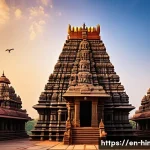
The diversity of worship in Hinduism is truly remarkable. You have grand, intricately carved temples dedicated to various deities, bustling with devotees offering prayers, flowers, and food.
These temples are vibrant centers of communal worship, often featuring elaborate rituals, chanting, and music. I’ve had the chance to visit a few and the atmosphere is always charged with an incredible sense of devotion and shared purpose.
Yet, equally important are the personal altars found in almost every Hindu home, where families perform daily pujas (worship rituals). This blend of public and private devotion emphasizes the idea that the divine is both expansive and intimately personal.
It allows individuals to cultivate a deep, continuous connection with their chosen deity right within their own living space, fostering a spiritual atmosphere in the home that I find incredibly nurturing.
This personal engagement with the divine, often through specific offerings and prayers, is a cornerstone of Hindu practice.
The Power of Sangha: Community and Collective Practice
While personal devotion is key, the communal aspect, often referred to as ‘Sangha’ in a broader sense (though more specifically Buddhist, the principle of community applies), is also incredibly significant in Hinduism.
Festivals like Diwali and Holi bring millions together in celebration, forging strong bonds and reinforcing shared cultural and spiritual identity. Beyond these large-scale events, local temples often serve as community hubs, providing spaces for collective worship, spiritual discourse, and social gatherings.
I’ve witnessed how these communities offer support, guidance, and a sense of belonging, much like congregations in churches or mosques. It’s a reminder that while the spiritual journey is ultimately individual, we are also social beings who thrive on connection.
The shared experience of rituals, chanting, and learning within a community reinforces faith and provides a supportive environment for spiritual growth, which is a universal need across all faiths.
| Concept | Hinduism | Christianity | Islam |
|---|---|---|---|
| Nature of God | Monistic (Brahman, ultimate reality), polytheistic (many deities as manifestations), henotheistic. God is often both immanent and transcendent. | Monotheistic (One God in three persons: Father, Son, Holy Spirit). God is transcendent and creator, yet also immanent through the Holy Spirit. | Strictly Monotheistic (Allah, the one and only God). God is transcendent, indivisible, and beyond human comprehension. |
| Core Text(s) | Vedas, Upanishads, Bhagavad Gita, Puranas, Ramayana, Mahabharata (a vast collection of Shruti and Smriti texts). | The Bible (Old and New Testaments). | The Quran (believed to be the literal word of God revealed to Prophet Muhammad). |
| Afterlife Concept | Samsara (cycle of rebirth) driven by Karma; goal is Moksha (liberation from samsara and union with Brahman). | Single life followed by eternal heaven or hell, based on faith in Jesus Christ and actions. | Single life followed by judgment, leading to eternal paradise (Jannah) or hell (Jahannam) based on submission to Allah and good deeds. |
| Ethical Principle | Dharma (righteous conduct, duty), Karma (law of action and consequence), Ahimsa (non-violence). Focus on self-realization and cosmic harmony. | Ten Commandments, Jesus’s teachings (love God, love neighbor), Golden Rule. Emphasis on grace, forgiveness, and moral living. | Five Pillars of Islam (faith, prayer, charity, fasting, pilgrimage), Sharia law (guidance for ethical living). Emphasis on submission to Allah’s will. |
The Modern Influence: How Ancient Traditions Shape Today’s World
It’s truly remarkable how ancient traditions, often perceived as static or confined to history books, continue to exert a profound influence on our contemporary world.
Hinduism, in particular, has had an undeniable impact far beyond its geographical and cultural origins, permeating global consciousness in ways that many people might not even realize.
When I think about the rise of wellness practices, mindfulness, and the general search for inner peace in today’s fast-paced society, I can’t help but see the threads leading back to Hindu philosophy.
It’s not just about religious conversion; it’s about the universal appeal of certain practices and principles that transcend cultural boundaries. This dynamic interplay between the ancient and the modern is a testament to the enduring wisdom contained within these spiritual paths, constantly offering new perspectives and tools for navigating the complexities of modern life.
Yoga, Meditation, and Mindfulness: Hinduism’s Global Gift
Walk into almost any gym or wellness studio today, and you’re likely to find yoga classes, meditation sessions, or workshops on mindfulness. What many might not fully grasp is that these practices, which have become incredibly popular globally for their physical and mental health benefits, have their roots deeply embedded in Hindu traditions.
I remember my first yoga class – I went for the stretch, but I stayed for the calm it brought to my mind. It was a gateway to understanding a much deeper philosophical system.
Yoga, in its classical sense, is one of the six orthodox schools of Hindu philosophy, aiming for union with the divine. Meditation techniques, from focusing on breath to mantra recitation, are integral parts of various Hindu paths to self-realization.
These practices, stripped of their overt religious context, have become universal tools for stress reduction, focus enhancement, and overall well-being, proving the timeless and practical wisdom that Hinduism has to offer to everyone, regardless of their background.
A Tapestry of Tolerance: Embracing Pluralism in Practice
One aspect of Hinduism that I find particularly relevant and inspiring in our increasingly interconnected world is its inherent pluralism and tolerance.
The tradition has historically embraced a wide array of philosophical schools, deities, and practices, often encapsulated in the idea that “truth is one, sages call it by various names.” This foundational acceptance of multiple paths to the divine is a powerful message for a world often divided by religious differences.
I’ve often felt that this inherent inclusiveness is one of Hinduism’s greatest strengths, allowing for a dynamic and evolving spiritual landscape. While not without its own historical complexities, the underlying philosophical framework encourages dialogue and respect for diverse perspectives, rather than insisting on a single, exclusive truth.
This approach to spirituality, acknowledging the validity of different journeys, offers a valuable model for fostering interfaith harmony and a more compassionate global community, a lesson I believe we all could benefit from today.
Beyond Labels: Embracing Diversity in Spiritual Journeys
My exploration into Hinduism and its comparison with other global religions has been far more than an academic exercise; it’s been a deeply personal journey of expanding my own understanding of what it means to be human and to seek meaning.
What consistently strikes me is not just the differences between these incredible traditions, but the profound commonalities that underpin the human spiritual quest.
Whether it’s the pursuit of a moral life, the yearning for connection with something greater than ourselves, or the search for answers to life’s biggest questions, these threads weave through every faith.
It’s easy to get caught up in the distinct labels and doctrines, but when you look closely, you find a shared humanity. This realization, for me, has been incredibly liberating, breaking down preconceived notions and opening up a world where spiritual understanding is less about rigid boundaries and more about a vast, interconnected tapestry.
The Universal Quest: Shared Human Aspirations
No matter which spiritual path we discuss, there’s always an underlying human aspiration for something more – more meaning, more peace, more understanding.
I’ve noticed that every major religion, in its own unique way, attempts to guide adherents toward self-improvement, compassion, and a deeper connection to the cosmos.
In Hinduism, this might manifest as striving for moksha through yoga and selfless action; in Christianity, it’s about following Christ’s teachings to attain salvation and live a life of love; in Islam, it’s about submission to Allah’s will and striving for justice.
While the methodologies and ultimate goals might differ, the fundamental human yearning for purpose, for community, and for a transcendent experience remains remarkably consistent.
This shared spiritual impulse reminds me that despite our diverse beliefs, we are all ultimately seeking answers to similar profound questions, fostering a sense of universal kinship that transcends specific doctrines.
Finding Your Own Way: Personal Truth in a Diverse World
Ultimately, what all these diverse spiritual paths, including Hinduism, teach me is the importance of the individual’s journey. While traditions provide frameworks, communities offer support, and texts offer wisdom, the actual path of discovery and realization is deeply personal.
I’ve come to appreciate that what resonates with one person might not resonate with another, and that’s perfectly okay. The richness of world religions isn’t about finding the “one true way” to impose on everyone else, but about recognizing the myriad valid paths that have uplifted and guided humanity for millennia.
It’s about taking inspiration from these ancient wellsprings of wisdom, asking questions, exploring what feels authentic to your own soul, and ultimately, constructing your own meaningful spiritual life.
This personal exploration, informed by the wisdom of ages, is the most exciting part of this continuous spiritual adventure.
Closing Thoughts
As we wrap up this journey through the divine tapestry of Hinduism and its fascinating intersections with other global faiths, I truly hope you’ve found it as enlightening as I have. It’s been an incredible experience for me to peel back the layers of ancient wisdom, realizing that while traditions may differ, the human heart’s quest for meaning, connection, and understanding remains universally constant. This exploration has deepened my appreciation for the incredible diversity of human spirituality and reinforced my belief that there’s immense value in seeking to understand paths different from our own. It’s a continuous learning process, isn’t it?
Useful Insights for Your Spiritual Journey
1. Dive Deeper with Primary Sources: If you’re truly intrigued, don’t stop at summaries! I always encourage fellow seekers to pick up translations of texts like the Bhagavad Gita or select Upanishads. There are fantastic modern translations available, often with insightful commentaries that make these ancient texts accessible. You’d be amazed at how their timeless wisdom can speak directly to your contemporary life challenges and questions, offering perspectives that are both profound and deeply practical for personal growth and ethical living. It’s like having a conversation with sages from millennia ago, offering guidance on everything from duty to inner peace.
2. Explore Local Interfaith Dialogues: Many communities, especially in diverse Western cities, host interfaith groups or events. These can be incredible opportunities to learn directly from practitioners of various faiths, including Hinduism. I’ve found that direct conversations often break down more barriers and offer more nuanced understanding than any book alone. You’ll hear personal stories, witness shared humanity, and potentially forge new friendships, enriching your own spiritual perspective through authentic, lived experiences. It’s a powerful way to bridge understanding in an often-divided world.
3. Experience Practices, Not Just Concepts: While theoretical knowledge is vital, truly understanding a spiritual path often comes through experiencing its practices. For Hinduism, this could mean exploring a local yoga class that focuses on its philosophical roots, trying a simple meditation technique, or attending a cultural festival like Diwali if there’s a Hindu community near you. These experiential avenues offer a sensory and emotional connection that purely intellectual study cannot replicate, allowing you to feel the spiritual energy firsthand and see how these traditions breathe in real life.
4. Question and Reflect Continuously: The beauty of many spiritual traditions, and certainly Hinduism, is the encouragement of inquiry. Don’t be afraid to ask questions, even challenging ones, and reflect on how different concepts resonate with your own beliefs and experiences. My own journey has been full of such introspection, and I’ve found that genuine questioning leads to deeper, more authentic understanding rather than mere acceptance. It’s not about finding a single ‘right’ answer, but about deepening your personal connection to truth through active engagement and critical thought.
5. Cultivate an Open Heart and Mind: In an age where information is abundant but wisdom often feels scarce, approaching diverse spiritual paths with an open heart and mind is paramount. Resist the urge to judge based on initial impressions or preconceived notions. Instead, practice empathy and seek to understand the underlying human aspirations that each tradition addresses. This open-mindedness isn’t just about respecting others; it’s about enriching your own worldview and recognizing the universal truths that echo across all humanity, regardless of specific religious labels. It’s a truly transformative approach to life.
Key Takeaways
Reflecting on our exploration, several critical points consistently emerge. First, Hinduism’s understanding of the divine is incredibly multifaceted, ranging from a singular, ultimate reality (Brahman) to a pantheon of deities representing its various aspects, a concept often more nuanced than simple polytheism. This offers a deeply personal yet universally connected approach to spirituality. Second, the intertwined concepts of Karma and Dharma provide a profound ethical framework, emphasizing action, intention, and cosmic responsibility across lifetimes, a distinct perspective compared to linear afterlife views. Third, the cycle of Samsara and the goal of Moksha highlight an evolving spiritual journey toward liberation, rather than a fixed eternal destination. Finally, Hinduism’s ancient wisdom, as preserved in its rich sacred texts, continues to inform modern practices like yoga and meditation, while its inherent pluralism offers a powerful model for interfaith understanding and tolerance in our diverse global community. Ultimately, this journey reminds us that while paths vary, the universal human quest for meaning and connection binds us all, encouraging a personal yet informed spiritual exploration.
Frequently Asked Questions (FAQ) 📖
Q: Is Hinduism a polytheistic religion, with all those gods and goddesses, or is there a deeper, more unified belief at its core? I’ve heard so many different things, and it can be a bit confusing coming from a Western background.
A: Oh, this is such a fantastic question, and one I hear all the time! I totally get why it can seem confusing at first glance, especially when you compare it to religions that neatly fit into a “one God” or “many gods” box.
When I first started my deep dive into Hinduism, I honestly felt a bit overwhelmed by the sheer number of deities! But what I’ve learned, and what truly blew my mind, is how beautifully complex and incredibly inclusive Hinduism’s understanding of the divine actually is.
You see, it’s not quite as simple as just “polytheistic” or “monotheistic.” Hinduism really embodies a bit of all three, depending on how you look at it and how an individual practices their faith.
Many Hindus believe in one ultimate, supreme reality, often referred to as Brahman. Think of Brahman as the boundless, all-encompassing cosmic spirit from which everything originates and to which everything returns.
Now, here’s where it gets interesting: all those wonderful gods and goddesses you see – like Vishnu, Shiva, Lakshmi, Ganesha – aren’t separate, competing deities.
Instead, they’re often understood as different facets, manifestations, or expressions of that one ultimate Brahman. It’s like looking at a diamond: it’s one stone, but it reflects light in countless brilliant ways, each unique and beautiful.
Many individuals might even practice “henotheism,” where they devote themselves primarily to one specific deity, like Krishna or Shiva, as their personal form of the Divine, while still revering and acknowledging the existence and importance of others.
It’s about finding the path that resonates most deeply with your soul. So, when someone asks me if Hinduism is polytheistic, monotheistic, or henotheistic, I always say, “It’s all that, and so much more!” It truly reflects a profound diversity that, to me, is one of its most captivating features.
Q: The concept of karma and reincarnation is super intriguing, but how does it actually compare to the ideas of heaven and hell in many other global faiths? Is it just a different word for the same thing, or are we talking about fundamentally different journeys after life?
A: This is another brilliant question that really gets to the heart of how different traditions perceive our existence! From my own exploration, I’ve found that the Hindu concepts of karma and reincarnation, or samsara as it’s known, offer a wonderfully expansive and deeply profound perspective on life’s journey that truly sets it apart from the more linear afterlife views common in many Western religions.
In Hinduism, life isn’t a one-and-done deal where you have a single shot at “getting it right” before heading to an eternal heaven or hell. Instead, it’s a continuous, cyclical journey of the soul, or atman, through countless lifetimes.
I often think of it like an ongoing spiritual education, where each life offers new lessons and opportunities for growth. The core idea here is karma – not as some kind of cosmic punishment, but as the natural law of cause and effect.
Every action, thought, and word we put out into the world, whether good or not-so-good, creates an energetic imprint that shapes our future experiences and determines the conditions of our next rebirth.
It’s a system designed for profound self-improvement and evolution! Unlike the concept of a final judgment that leads to a permanent destination, Hinduism views reincarnation as a continuous process until the soul achieves moksha, which is liberation from the cycle of birth and death and a realization of its unity with Brahman.
For me, this cyclical view brings such a sense of hope and ongoing possibility. It emphasizes that we always have the chance to learn, grow, and strive for greater spiritual realization, not just in this lifetime, but across many.
It makes you really think about the impact of your actions, knowing that the journey is long and opportunities for spiritual refinement are endless!
Q: I’ve heard that Hinduism is incredibly open and accepting of other spiritual paths. Is that truly the case, or do Hindus still believe their way is the “only” way to reach the divine, like some other religions do?
A: This question touches on one of the most beautiful aspects of Hinduism, in my personal experience: its incredibly inclusive and pluralistic nature. It’s not just a rumor; it’s genuinely a hallmark of the tradition!
From everything I’ve learned and observed, Hinduism doesn’t typically assert itself as the only path to the divine. In fact, it often embraces the idea that truth and spiritual realization can be approached and understood in myriad ways.
I’ve always been so inspired by the ancient Vedic saying, “Ekam Sat Vipra Bahudha Vadanti,” which essentially means “Truth is One, though the sages know it by many names.” This idea really permeates the Hindu worldview.
It suggests that different religions and spiritual practices are like various rivers all flowing towards the same vast ocean – they might take different routes, have different currents, and look different on the surface, but they’re all ultimately headed to the same ultimate destination.
This isn’t just about “tolerance,” which can sometimes imply a grudging acceptance; it’s about genuine “acceptance” and even reverence for other paths.
I’ve seen examples where Hindus will honor saints from other traditions or find wisdom in diverse spiritual texts. The tradition itself is often described less as a rigid religion with a single founder or creed, and more as a vast, ancient tapestry woven from countless philosophies, beliefs, and practices that have evolved over millennia.
It’s a way of life that celebrates diversity in understanding the divine, and honestly, for someone like me who loves exploring all spiritual avenues, that open-hearted approach is incredibly refreshing and deeply inspiring.