
Oh, wow, if you’re anything like me, you’ve probably felt that nagging sense of restlessness lately, right? It seems like every day, the world throws a new challenge our way, making genuine peace feel like an elusive dream.
But what if I told you that some of the oldest wisdom on Earth holds surprisingly fresh keys to unlocking that inner calm and even transforming our global landscape?
I’ve been diving deep into the profound principles of Hinduism and its incredible connection to peace movements, and honestly, it’s been a game-changer for my perspective.
Forget what you *think* you know about ancient philosophies being dusty old texts. We’re talking about timeless concepts like Ahimsa – that powerful idea of non-violence in thought, word, and deed – which I’ve personally found to be a surprisingly practical guide in navigating today’s complexities.
It’s not just about avoiding conflict; it’s about cultivating compassion and respect for all life, which, let’s be real, is something we desperately need more of right now.
Think about iconic figures like Mahatma Gandhi, whose non-violent resistance literally changed the world, all rooted in these deeply spiritual Hindu values.
In a world still grappling with conflicts and divisions, the ongoing relevance of these teachings couldn’t be clearer. Many contemporary peace initiatives and spiritual practices, from mindfulness to certain yoga routines, echo these ancient sentiments, showing us that inner peace isn’t just a personal quest but a vital step towards collective harmony.
It’s all about finding that balance and understanding that our internal state profoundly impacts the world around us. So, if you’re curious about how these powerful ideas are still shaping our pursuit of a more peaceful future, and perhaps even offering some tangible ways to bring more serenity into your own busy life, you’re in for a treat!
Let’s explore how these profound insights can help us build a more harmonious world, starting from within.
Oh, my goodness, I’ve been on such a journey lately, diving into wisdom that’s literally thousands of years old, and you know what? It’s blown my mind how relevant it still is today.
If you’ve been feeling that familiar tug of restlessness, that search for something deeper amidst the daily grind, then you’re in for a treat. I’ve found myself completely captivated by the profound principles of Hinduism and their absolutely incredible, undeniable connection to building a more peaceful world, both within ourselves and all around us.
It’s truly been a game-changer for me, shifting my perspective in ways I never imagined. Forget any dusty old images you might have of ancient philosophies.
We’re talking about vibrant, living concepts that offer practical keys to unlocking inner calm and even transforming our global landscape. It’s not about rigid dogma; it’s about timeless insights into the human condition and how we can best navigate its complexities.
I mean, who doesn’t need a little more serenity in their busy life, right?
Embracing Ahimsa: The Power of Non-Harm

There’s this concept in Hinduism, a truly foundational one, called Ahimsa. It’s often simply translated as “non-violence,” but honestly, that doesn’t even begin to cover its depth. My own experience with Ahimsa has shown me it’s so much more than just avoiding physical harm; it’s about cultivating a profound sense of compassion, gentleness, and respect for all life, in your thoughts, your words, and your actions. Think about it – how often do our thoughts or hurried words cause ripples of discomfort, even if unintentionally? Ahimsa asks us to pause, to consider the impact of every single interaction we have. It’s a proactive commitment to peace, not just a passive absence of conflict. I’ve personally found that when I consciously try to embody Ahimsa, even in small ways like choosing my words more carefully during a disagreement or extending empathy to someone who’s frustrated, it completely changes the dynamic. It’s like a superpower for navigating today’s often-turbulent world, reminding us that every being is interconnected and sacred. This principle is deeply embedded in ancient texts like the Vedas, Upanishads, and the Bhagavad Gita, serving as a cornerstone of ethical living and spiritual growth.
Beyond Physical Harm: Non-Violence in Thought and Speech
One of the most eye-opening aspects of Ahimsa for me has been realizing its extension beyond just physical acts. It truly starts within. Imagine training your mind to be free from hatred, anger, or ill-will towards yourself and others. That’s the core of Ahimsa in thought. It’s not always easy, especially when someone really grinds your gears, but I’ve found that even striving for this mindset can bring a surprising amount of inner peace. And then there’s our speech – oh, our words! Ahimsa advocates for communication that is truthful, kind, and uplifting, actively refraining from gossip, backbiting, or harsh language that could cause pain. It’s a huge challenge, but when I manage to speak with more mindful compassion, the difference in my relationships is palpable. It fosters genuine understanding and harmony, transforming potential conflicts into opportunities for connection.
Ahimsa as a Catalyst for Social Change
The practical application of Ahimsa isn’t just about individual peace; it’s a powerful force for societal transformation. When I think about historical figures like Mahatma Gandhi, whose non-violent resistance movements literally reshaped nations, it’s clear these ancient Hindu values aren’t just theoretical. His philosophy of Satyagraha, “truth-force” or “soul-force,” was profoundly rooted in Ahimsa, advocating for self-determination through non-violent means. This philosophy didn’t just stay in India; it became an inspiration for civil rights leaders like Martin Luther King Jr. and anti-apartheid activists like Nelson Mandela, demonstrating how a commitment to love and non-violence can dismantle oppression and bring about justice. It’s a powerful reminder that even in the face of immense adversity, choosing non-harm can be the most potent path to lasting change.
Yoga and Meditation: Pathways to Inner and Outer Harmony
If you’ve ever felt overwhelmed by the sheer speed of modern life, then you know the struggle to find a moment of quiet. This is where the ancient practices of Yoga and meditation truly shine, offering potent tools for not just personal well-being, but also for fostering a more peaceful collective. Originating in India, Yoga isn’t just about those bendy poses you see on Instagram; it’s a holistic philosophy encompassing the union of mind, body, and spirit. I’ve personally found that a consistent yoga practice—even just a few minutes of mindful movement and breath work—helps me tap into a deeper sense of calm and resilience. It’s like hitting the reset button on my nervous system, allowing me to approach daily stressors with a more centered mind. These practices have transcended cultural boundaries, becoming global beacons of serenity and holistic health, equipping individuals with tools to navigate life’s challenges with grace.
Cultivating Mental Resilience and Stress Reduction
In a world where stress and anxiety seem to be constant companions, Yoga’s emphasis on mindfulness and meditation offers a transformative escape. I remember a particularly hectic period in my life where I felt like I was constantly running on fumes. Incorporating daily meditation, even for just ten minutes, helped me to create a sanctuary within my own mind. Scientific studies continue to affirm the positive impact of these practices on mental well-being, influencing therapeutic approaches worldwide. By teaching us to calm our minds and release tension, yoga and meditation equip us with valuable tools to deal with life’s challenges more effectively. It’s about building a mental fortress, not to keep the world out, but to ensure that what’s within is strong and unshaken.
Fostering Empathy and Global Consciousness
Beyond the individual benefits, the practice of Yoga and meditation encourages a heightened awareness of our interconnectedness. When you quiet the internal chatter, you start to perceive the world and others with more clarity and compassion. This self-awareness naturally extends to an increased sense of empathy. I’ve noticed that after a good meditation session, I’m simply more patient, more understanding, and more willing to see things from another’s perspective. This shift in individual consciousness contributes significantly to collective well-being and, ultimately, to global peace. By fostering empathy and compassion, these practices facilitate better interpersonal relationships and, by extension, social harmony. It’s a powerful reminder that inner peace isn’t just a personal quest but a vital step towards collective harmony.
“Vasudhaiva Kutumbakam”: The World as One Family
This ancient Hindu concept, “Vasudhaiva Kutumbakam,” which means “the world is one family,” truly resonates with me, especially in today’s interconnected yet often fractured world. It’s such a beautiful and powerful idea, encapsulating a philosophy that goes beyond national borders and tribal affiliations. It’s not just a nice sentiment; it’s a profound recognition of our shared humanity and interdependence. I’ve found that when I approach situations with this mindset, whether it’s understanding different cultural practices or engaging in global discussions, it shifts my perspective from “us vs. them” to simply “us.” This inclusive worldview fosters a sense of collective responsibility and environmental stewardship, recognizing that our well-being is intrinsically linked to the well-being of every other person and indeed, the entire planet.
Interfaith Dialogue and Mutual Respect
Hinduism’s inherent pluralism, with its acknowledgment that “Truth is one, but sages call it by many names,” naturally lends itself to interfaith dialogue. This isn’t about converting anyone or asserting one path as superior; it’s about fostering understanding and respect among different religious communities. I’ve always been drawn to how Hindu thinkers have historically engaged with philosophers from other faiths, leading to shared concepts and mutual appreciation. In our contemporary world, where religious extremism can sometimes fuel division, these dialogues are more crucial than ever. They create platforms for discussing shared values like compassion and service, helping to break down barriers and combat prejudice. It’s a testament to the power of open hearts and minds to find common ground, even amidst diverse beliefs.
Building Bridges for a Harmonious Society
The philosophy of “Vasudhaiva Kutumbakam” encourages collaborative efforts on shared concerns like social justice, environmental sustainability, and humanitarian aid. When we recognize the world as one family, it becomes clear that an injury to one is, in a very real sense, an injury to all. I’ve seen how Hindu organizations, rooted in these principles, actively participate in initiatives that promote peace and tolerance across communities, whether it’s through disaster relief or educational programs. This collective approach not only highlights the practical contributions of Hindu values to peacebuilding but also cultivates a culture of understanding that can transform conflicts into opportunities for unity. It’s about leveraging our spiritual heritage to address the root causes of violence and build a truly peaceful and just society for everyone.
Dharma and Karma: Living a Righteous and Purposeful Life
Two other concepts that have profoundly shaped my understanding of peace and purpose are Dharma and Karma. Dharma, often translated as “righteousness” or “duty,” isn’t about following a rigid set of rules, but rather about living a life aligned with one’s true nature and contributing positively to the cosmic order. It’s about discerning what is right and acting with integrity, both individually and collectively. And then there’s Karma, the principle of cause and effect. It’s a powerful reminder that every action, thought, and word we put out into the world creates ripples that eventually come back to us. I’ve found that truly internalizing these principles has instilled in me a greater sense of accountability and a deeper motivation to act with compassion and kindness. It’s like having an internal compass that always points towards ethical living and personal growth, ensuring that my journey is not just for my own benefit, but also contributes to the greater good.
The Path of Righteous Action (Dharma)
Living according to Dharma means embracing ethical conduct and fulfilling one’s responsibilities, not out of obligation, but out of a deep understanding of our interconnectedness. It’s about finding our unique purpose and pursuing it with sincerity. For me, this has meant consciously striving to make choices that align with my values, even when it’s challenging. When everyone strives to fulfill their Dharma, it naturally leads to a more harmonious society. The Bhagavad Gita, a revered Hindu scripture, outlines qualities of a virtuous individual, including mercy, truthfulness, and peacefulness, which are essential for fostering a harmonious society. It encourages us to approach life with a sense of duty and selflessness, understanding that our individual actions contribute to the collective fabric of humanity.
Understanding the Law of Consequence (Karma)
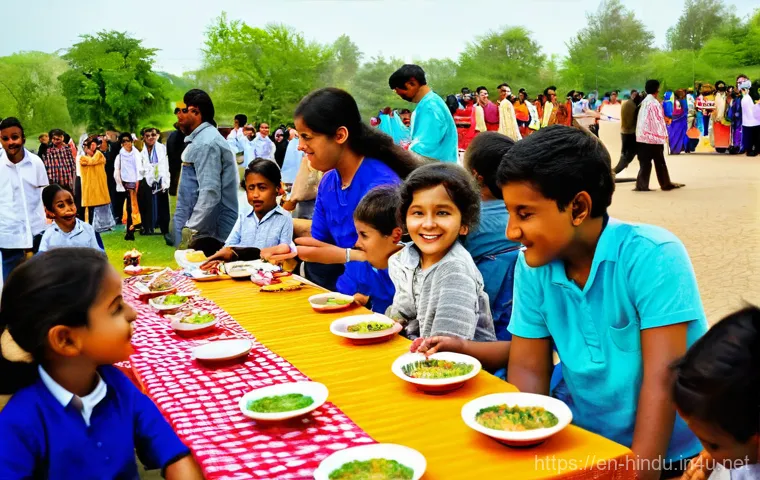
Karma is far more than just “what goes around comes around.” It’s a sophisticated system of ethical responsibility where our intentions and actions, whether positive or negative, shape our future experiences. Recognizing this has been incredibly empowering for me. It means I have agency; my choices matter. It encourages cultivating positive karma through compassion, selfless service (Seva), and striving for universal well-being. This understanding pushes me to be more mindful of my impact on others and the environment. By embracing non-violence and striving for ethical conduct, we contribute to a positive cycle that ultimately brings peace and well-being, not just to ourselves, but to the world around us. It’s a powerful motivator for positive change, knowing that every effort we make for good truly makes a difference.
Cultivating Inner Peace for Global Harmony
You know that feeling when everything just clicks into place, and you feel a profound sense of calm, regardless of what’s happening around you? That’s the essence of inner peace, and Hinduism offers incredibly insightful pathways to cultivate it. It’s not about escaping the world, but about finding a stable, tranquil center within yourself that can weather any storm. I’ve realized that true happiness is intricately connected to this inner peace, which often arises from practices like meditation and a deep connection with the divine. It’s about quieting the mind, letting go of attachments, and realizing our essential nature. This personal transformation isn’t just for our own benefit; it creates a ripple effect, influencing our families, communities, and ultimately, contributing to a more peaceful world. As the Upanishads wisely suggest, resolving conflicts and achieving peace begins by destroying ignorance – particularly the ignorance of our true, interconnected nature.
The Transformative Power of Self-Reflection
Hindu teachings deeply value solitude and self-reflection as vital components for nurturing inner peace. I used to think solitude meant loneliness, but I’ve come to understand it as a cherished opportunity to connect with my inner self, to recharge my spiritual energy. It’s not about disliking others’ company, but about being engrossed in personal introspection and self-discovery. By taking this time to care for my mental well-being and nurture my inner peace, I become more aware of my emotions and motivations, which in turn leads to greater self-control and resilience. This practice of introspection helps us understand our true nature, transcending fleeting desires and finding contentment that isn’t dependent on external circumstances.
The Ripple Effect: From Personal to Global Peace
It’s truly incredible to witness how inner peace can radiate outwards. When individuals cultivate calmness, compassion, and understanding within themselves, it inevitably influences their interactions and their communities. This isn’t just a hopeful thought; it’s a proven reality seen in countless acts of kindness and community building. Hindu wisdom emphasizes that individual peace steadily and gradually leads to world peace. When we choose to replace negativity with kindness, to be patient and understanding, we contribute to a collective shift towards greater harmony. The idea that “the state of Yoga is non-violent as it is filled with bliss” encapsulates this perfectly. By becoming peace, rather than just seeking it, we become catalysts for profound personal and global transformation.
The Evolving Influence of Ancient Wisdom in Modern Life
It’s truly inspiring to see how these ancient Hindu philosophies aren’t just relics of the past but are actively shaping contemporary thought and practices across the globe. We’re talking about insights that resonate deeply with modern challenges, offering tangible pathways to navigate issues from stress and anxiety to global conflicts. The adaptability of Hinduism, its ability to integrate with changing social landscapes while maintaining its core teachings, is a testament to its enduring relevance. I’ve seen firsthand how people from all walks of life, regardless of their background, are finding profound value in practices like yoga and meditation, or in principles like Ahimsa, for their daily lives. This isn’t about adopting a new religion; it’s about embracing universal wisdom that promotes well-being and harmony for everyone.
Bridging Ancient Insights and Contemporary Challenges
In a world grappling with complex issues like climate change, social injustice, and increasing instances of conflict, the timeless wisdom of Hinduism offers practical frameworks. Principles like environmental stewardship, rooted in the interconnectedness of all life, align perfectly with modern eco-conscious movements. The emphasis on social justice, compassion, and non-harming provides a moral compass for addressing inequalities and fostering inclusive communities. I firmly believe that by integrating these ancient teachings into our modern lives, we’re not just looking to the past; we’re actively enriching our present and building a more hopeful future. These teachings help us find balance, fulfillment, and inner peace in ways that transcend any single culture or era.
| Hindu Concept | Modern Application for Peace |
|---|---|
| Ahimsa (Non-violence) | Conflict resolution, compassionate communication, ethical consumerism, non-violent activism. |
| Yoga & Meditation | Stress reduction, mental health, emotional regulation, mindfulness practices, fostering empathy. |
| Vasudhaiva Kutumbakam (World is One Family) | Interfaith dialogue, global citizenship, environmental stewardship, humanitarian aid, multicultural integration. |
| Dharma (Righteous Conduct) | Ethical decision-making, social responsibility, integrity in personal and professional life, justice advocacy. |
| Karma (Cause and Effect) | Accountability for actions, conscious choices, fostering positive impact, understanding consequences. |
Spiritual Practices in a Secular World
It’s fascinating to observe how practices like Yoga and meditation, once deeply spiritual, have found a vast secular audience, offering benefits like stress reduction and improved focus without necessarily requiring adherence to religious dogma. The United Nations itself has recognized the importance of these practices, even declaring an International Day of Yoga and a World Meditation Day. This global embrace demonstrates the universal appeal of finding inner calm and cultivating mental resilience. I truly believe that by engaging with these practices, individuals from all backgrounds are not just improving their own lives, but also contributing to a larger societal shift towards peace and harmony. It’s a beautiful example of ancient wisdom providing tangible solutions for contemporary challenges, proving that sometimes the oldest paths offer the freshest keys to unlocking a better future.
글을 마치며
Whew! What a journey we’ve been on, exploring the incredible depth and unwavering relevance of Hindu wisdom for cultivating peace, both within our own bustling lives and across our beautifully diverse world. It’s truly eye-opening to realize how these ancient principles aren’t just historical footnotes, but vibrant, living guides that offer profound insights into navigating our modern complexities. I’ve personally found so much solace and direction in these teachings, and my hope is that this dive has sparked a similar sense of discovery and possibility in you, helping us all weave a little more peace into our daily tapestry.
알아두면 쓸모 있는 정보
1. Start your day with just five minutes of mindful breathing or a simple meditation. It’s amazing how even a short pause can anchor your entire day in calm and clarity.
2. Practice “Ahimsa of speech” by consciously choosing kind, truthful, and necessary words in your conversations. Notice the positive ripple effect it has on your relationships.
3. Explore local yoga classes or online resources that focus on the philosophical aspects of yoga, not just the physical poses, to truly understand its holistic benefits.
4. Reflect on the concept of “Vasudhaiva Kutumbakam” by actively seeking to understand and connect with people from different backgrounds. Recognizing our shared humanity is a powerful step towards global harmony.
5. Consider how your daily actions, big or small, align with your personal “Dharma.” Living with integrity and purpose can bring a profound sense of inner peace and fulfillment.
중요 사항 정리
Ultimately, what I’ve genuinely come to feel and experience is that the ancient wisdom of Hinduism offers a profoundly practical and deeply personal roadmap to a more peaceful existence. It’s not about rigid adherence to dogma, but about integrating timeless principles like Ahimsa (non-harm), the transformative practices of Yoga and meditation, the inclusive philosophy of Vasudhaiva Kutumbakam (the world as one family), and the guiding lights of Dharma (righteous conduct) and Karma (cause and effect) into our everyday lives. These aren’t just abstract ideas; they’re actionable frameworks that encourage us to look inward, cultivate compassion, and recognize our deep interconnectedness with all beings. By consciously choosing to embody these values, we empower ourselves to navigate life’s challenges with grace, foster genuine harmony in our relationships, and actively contribute to a more just and serene world, one mindful thought and kind action at a time. It’s truly a journey of personal growth that has a beautiful, far-reaching impact.
Frequently Asked Questions (FAQ) 📖
Q: So, if
A: himsa is about non-violence, how does that really translate into practical, everyday actions for someone like me in the 21st century? It sounds great in theory, but is it actually doable when things get tough?
A1: Oh, I totally get where you’re coming from! It’s easy to think of “non-violence” as just avoiding physical fights, but Ahimsa, in the truest Hindu sense, goes so much deeper – it’s about non-harm in thought, word, and deed, to ourselves and to others.
I’ve found that applying it daily actually comes down to a few key things. First, it’s about how we speak. Instead of jumping to conclusions or letting a heated moment make us say something we’ll regret, Ahimsa encourages us to pause, breathe, and communicate with respect, even when disagreeing.
It’s like checking in with yourself: “Am I speaking to build up or tear down?” Second, it’s about our thoughts. We can be our own harshest critics, right?
Practicing Ahimsa means cultivating kindness towards ourselves, challenging those negative self-talk loops, and forgiving ourselves when we inevitably mess up.
If our inner world is in chaos, it’s bound to spill out. And third, it stretches to our actions, not just in grand gestures, but in tiny, conscious choices.
Think about your consumption – are you mindful of where your clothes come from, or what you’re eating? Choosing to support ethical practices, or even just being more environmentally conscious, is a huge act of Ahimsa towards the planet and its inhabitants.
It’s a journey, not a destination, but even small shifts can make a world of difference in how peaceful your daily interactions feel.
Q: Beyond the big historical figures like Gandhi, are there any current movements or contemporary examples where these Hindu principles are actively making a difference in today’s world? I’m curious about real-time impact!
A: That’s a fantastic question, and one I often ponder myself! While Gandhi’s legacy is undeniable and truly inspiring, you might be surprised to see how subtly and powerfully these principles are woven into various contemporary peace initiatives, even if they don’t explicitly carry a “Hindu” label.
For instance, the emphasis on interconnectedness, or “Vasudhaiva Kutumbakam” (the world is one family), is a foundational Hindu concept that you see echoed in global movements promoting environmental protection and interfaith dialogue.
Many organizations working on ecological sustainability are inherently practicing a form of Ahimsa towards Mother Earth, fostering a sense of universal responsibility that aligns perfectly with Hindu teachings about respecting all life.
You’ll also find it in humanitarian efforts that transcend borders, where individuals and groups, inspired by universal compassion, provide aid regardless of background, reflecting the core Hindu idea that the divine spark resides in everyone.
Even the widespread adoption of mindfulness and meditation, initially rooted in Eastern philosophies like Hinduism and Buddhism, is a modern peace movement of sorts, helping countless people reduce stress and cultivate inner calm, which, as we know, is a vital step toward collective harmony.
So, while you might not always see a direct billboard, the underlying spirit of these ancient Hindu principles is very much alive and shaping a more peaceful world right now.
Q: You mentioned bringing serenity into our busy lives. What are some tangible, easy-to-start practices or mindsets, rooted in these Hindu peace principles, that I could genuinely try out to find a bit more inner calm?
A: Oh, this is my favorite part, because I’ve seen firsthand how transformative these practices can be! In our non-stop world, finding those pockets of peace is crucial.
From my own experience, one of the most accessible starting points is incorporating mindfulness, which is deeply connected to Hindu meditation practices.
You don’t need hours; just try taking five minutes each morning to simply focus on your breath. Notice the inhales, the exhales, and gently bring your mind back whenever it wanders.
It’s like a mini-reset button for your nervous system! Another powerful one, often emphasized in Hindu teachings, is gratitude. It sounds simple, but consciously listing three things you’re grateful for each day can profoundly shift your perspective from what’s lacking to what’s abundant.
I keep a small journal by my bed just for this! And finally, a concept I absolutely adore is “Karma Yoga,” which is all about selfless service without attachment to the outcome.
It’s not about grand gestures, but perhaps helping a neighbor, volunteering a little, or even just doing a kind deed for someone at work without expecting anything in return.
I’ve found that focusing on contributing positively, even in small ways, helps pull me out of my own head and fills me with a genuine sense of purpose and peace.
These aren’t just ancient ideas; they’re incredibly practical tools for navigating modern life with a calmer, more compassionate heart.