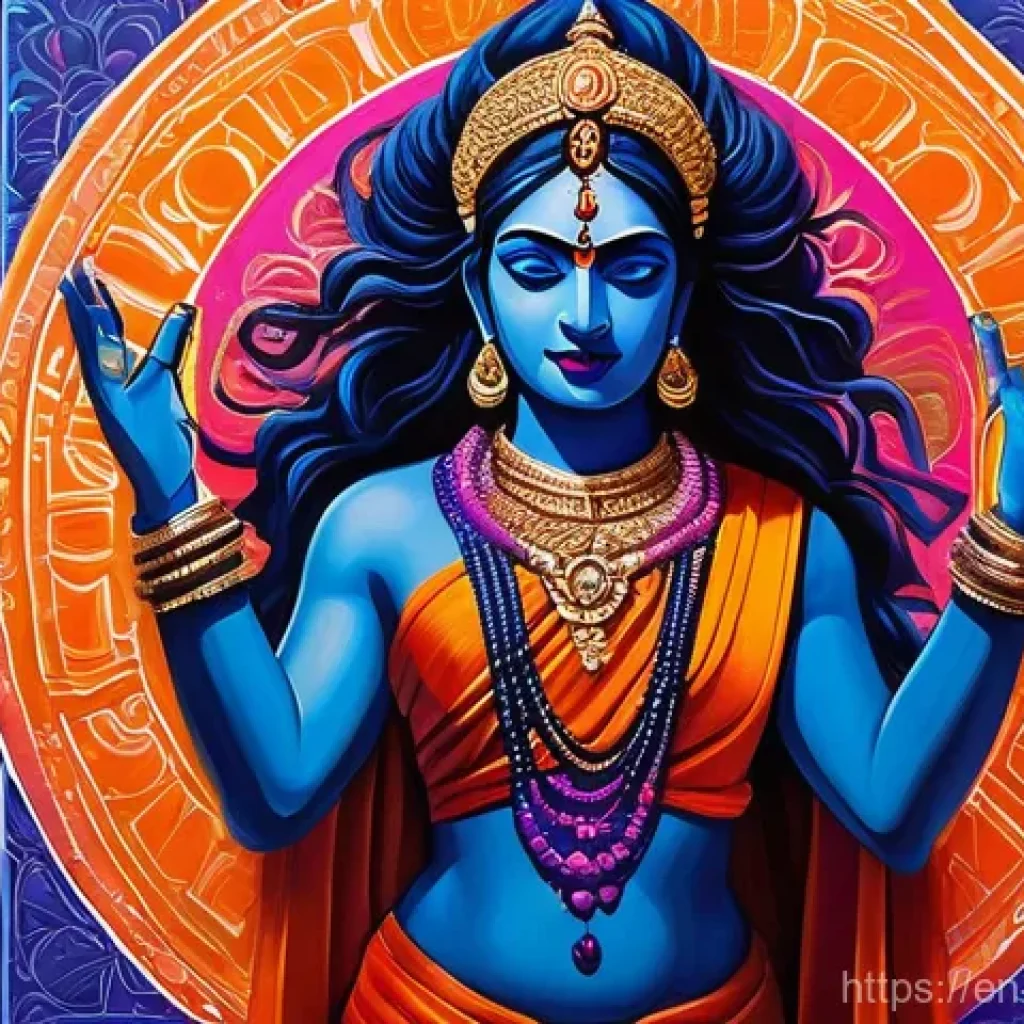
Hey everyone, it’s your favorite blog influencer here, ready to dive deep into something truly fascinating that’s been sparking incredible conversations lately.
I’ve always been captivated by how ancient traditions seamlessly weave their way into our contemporary world, and nothing exemplifies this quite like the captivating interplay between Hinduism and modern art.
It’s not just about historical reverence; we’re witnessing a vibrant renaissance where artists are brilliantly reinterpreting age-old deities, narratives, and philosophical concepts through fresh, audacious lenses.
You might be surprised at the innovative ways these timeless spiritual essences are being expressed, moving far beyond traditional temple art into galleries and digital spaces worldwide.
I’ve personally found myself mesmerized by how today’s creators manage to evoke profound spiritual depth while challenging our perceptions with bold, new aesthetics.
If you’re anything like me, you’re probably wondering how this rich heritage continues to inspire cutting-edge creativity, influencing everything from abstract sculpture to performance art.
Let’s uncover the dynamic evolution of this incredible relationship together and see how it’s shaping the artistic landscape right now. We’ll explore this fascinating connection and exactly what it means for art today.
Let’s dive in and explore this powerful convergence right now!
Divine Resonances: Ancient Deities in a Modern Gaze
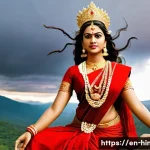
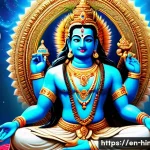
You know, there’s something truly electrifying about walking into a gallery and seeing a familiar deity, maybe one I grew up seeing in temples or books, but rendered in a way that just stops me in my tracks. It’s not just a painting or a sculpture; it’s an entire conversation between millennia. Artists today aren’t just copying; they’re genuinely engaging with these iconic forms, pulling them into our contemporary consciousness with a fresh, sometimes even audacious, perspective. I’ve personally found myself mesmerized by how they manage to strip away the dust of ages and present figures like Shiva or Kali with such raw, immediate power, often using materials or styles that feel utterly current. It’s like they’re saying, “These gods aren’t just history; they’re alive, breathing, and still relevant to our anxieties and triumphs.” The initial shock often gives way to a profound appreciation for the artist’s courage and insight, transforming my understanding of both the ancient and the modern. I remember seeing a Durga painting once, depicted with graffiti-style elements, and it felt incredibly empowering, a true testament to her enduring strength in a chaotic world. It makes you realize that spirituality isn’t stagnant; it’s a living, evolving force.
Redefining Iconography: New Forms, Enduring Spirit
It’s fascinating to witness how artists are taking established iconography and twisting it, molding it, or completely abstracting it to convey deeper meanings. They might use vibrant neon lights for a halo or incorporate industrial materials to portray the cosmic dance of Nataraja, making it feel almost visceral. For instance, I’ve seen Ganesha, the remover of obstacles, depicted in pop-art colors, his elephant head adorned with headphones, symbolizing how he’s still guiding us through the noise of modern life. This isn’t about disrespect; it’s about making these powerful symbols resonate with a generation that communicates through different visual languages. The core essence remains, but the wrapper is undeniably now. It’s truly a testament to the flexibility and enduring power of these ancient stories and figures that they can withstand and even thrive under such radical reinterpretation. Each brushstroke or sculpted curve tells a story not just of the deity, but of the artist’s own spiritual journey and connection to the vast universe of Hindu thought.
Challenging Perceptions: Bridging Sacred and Secular
One of the most compelling aspects of this trend is how it bravely blurs the lines between the sacred and the secular. Traditional religious art often felt confined to specific spaces, meant for reverence alone. But now, these contemporary pieces, infused with Hindu themes, find their place in urban galleries, private collections, and even public installations. This movement invites a broader audience, including those who might not identify with Hinduism culturally or religiously, to engage with its rich philosophical underpinnings. I remember a friend, completely new to Indian culture, being deeply moved by an abstract piece inspired by the concept of Brahman. It sparked a curiosity in her that she might never have discovered through conventional means. It’s a beautiful way to share wisdom, not through dogma, but through the universal language of art, encouraging contemplation and cross-cultural dialogue in a really organic, unforced way. This openness is, I believe, what truly elevates these artworks beyond mere aesthetics.
Narrative Innovations: Retelling Ancient Epics for Today
The stories embedded within Hinduism are incredibly rich, full of drama, philosophy, and human emotion. Think about the Ramayana or the Mahabharata – they are epic sagas that delve into dharma, duty, love, betrayal, and the eternal struggle between good and evil. What blows me away is how contemporary artists are breathing new life into these narratives, not just by illustrating them, but by re-interpreting their core messages through entirely different lenses and mediums. It’s no longer just about classic paintings on temple walls; we’re talking about performance art that explores Sita’s agency, digital installations that immerse you in Krishna’s teachings, or even graphic novels that bring the Pandavas and Kauravas into a modern context. I’ve often felt a shiver down my spine watching a contemporary dance piece that distilled the essence of Arjuna’s dilemma on the battlefield, making it feel incredibly relevant to the ethical quandaries we face every day. It’s an act of cultural preservation, yes, but also a daring act of reinvention, ensuring these profound tales continue to guide and inspire.
Immersive Storytelling: Beyond the Canvas
Artists are really pushing the boundaries of how we experience these ancient tales. They’re moving beyond static images and creating dynamic, immersive experiences that pull you right into the heart of the narrative. Imagine a multi-sensory exhibition where you don’t just see scenes from the Mahabharata, but you hear the sounds of battle, feel the vibrations of Krishna’s conch, or even smell the incense from a sage’s hermitage. I’ve personally encountered VR experiences that let you walk alongside Rama in the forest or witness the churning of the cosmic ocean. These aren’t just technological novelties; they’re profound attempts to connect us more deeply with the emotional and philosophical weight of these stories. They make the characters feel less like distant mythical figures and more like relatable beings grappling with universal human experiences, forging a connection that traditional art forms, while beautiful, sometimes can’t achieve in the same immediate way for a modern audience.
Recontextualizing Heroes and Villains: Nuanced Perspectives
One of the most intriguing aspects of modern artistic interpretations is the willingness to explore the grey areas, to re-examine characters that were once strictly categorized as heroes or villains. Contemporary artists often delve into the motivations and complexities of figures like Ravana or even Karna, asking us to consider their perspectives and the circumstances that shaped their destinies. I remember a particularly thought-provoking series of artworks that explored the psychological toll of the Kurukshetra war, focusing on the internal struggles of the warriors rather than just their valiant deeds. This kind of recontextualization encourages a more nuanced understanding of morality and justice, reflecting our own society’s growing appreciation for complex narratives. It teaches us that even in ancient epics, there are layers of meaning waiting to be unearthed, prompting us to question our assumptions and engage with these stories on a much deeper, more intellectual level than ever before.
Global Canvas: Dharma’s Worldwide Echoes
It’s truly incredible to see how Hindu philosophical concepts, once largely confined to the Indian subcontinent, are now resonating on a global scale, influencing artists from New York to Berlin to Tokyo. This isn’t about cultural appropriation; it’s about a genuine, organic appreciation for the universality of ideas like Dharma, Karma, Moksha, and the interconnectedness of all living things. I’ve personally seen abstract expressionist paintings by European artists that palpably convey the cyclical nature of time, or installations by American artists exploring the concept of ‘neti neti’ (not this, not that) in a very contemporary, minimalist style. These artists aren’t necessarily converting to Hinduism, but they are deeply moved by its profound insights into existence, consciousness, and bliss. It’s a powerful testament to the timeless appeal of these ancient wisdom traditions, proving that deep truths transcend geographical and cultural boundaries. This global dialogue enriches not only the art world but also our collective understanding of human spirituality.
Cultural Alchemy: Fusing Eastern Philosophy with Western Aesthetics
When you see artists from vastly different cultural backgrounds interpreting Hindu philosophy, something truly magical happens. You get a unique alchemy where Eastern thought meets Western aesthetics, resulting in art that feels both familiar and strikingly new. I’ve witnessed conceptual art pieces by Japanese artists that use traditional Zen garden elements to explore Hindu notions of emptiness and form, or British sculptors incorporating mandalas into their abstract metalwork. This cross-pollination isn’t just visually stunning; it sparks new conversations and interpretations, allowing these ancient ideas to manifest in forms that speak to diverse audiences. It’s like a grand cosmic collaboration, where different artistic languages come together to articulate a shared human quest for meaning. Each artist brings their unique cultural lens, filtering these age-old truths through their personal experiences and artistic training, creating something truly unparalleled.
Universal Threads: Connecting Ancient Wisdom to Modern Challenges
Perhaps what I find most compelling about this global phenomenon is how artists are using Hindu concepts to address pressing modern challenges. The emphasis on interconnectedness, for instance, finds resonance in environmental art, where pieces might highlight the delicate balance of ecosystems, echoing the Hindu reverence for nature. Concepts of Karma and Dharma often inform works dealing with social justice, prompting viewers to consider the consequences of their actions and their responsibilities to the wider community. I’ve seen performance art pieces that explored the suffering caused by materialism through the lens of Maya, the illusory nature of reality. It’s incredibly powerful to witness how ancient wisdom can provide such a potent framework for grappling with contemporary issues like climate change, inequality, or mental health. It gives a sense of hope, suggesting that solutions might lie in a deeper understanding of our place in the universe, an understanding beautifully articulated in Hindu philosophy.
The Artist’s Crucible: Blending Tradition and Bold New Techniques
Okay, let’s talk about the sheer craft involved here, because it’s nothing short of breathtaking. Artists aren’t just thinking about what to say, but *how* to say it, and that’s where the alchemy truly happens. They’re diving deep into traditional Indian art forms—think delicate miniature paintings, vibrant Tanjore art with its gold leaf and embedded gems, or intricate Madhubani patterns—and then fearlessly smashing them together with cutting-edge modern techniques. It’s like watching a master chef take age-old family recipes and infuse them with molecular gastronomy. I’ve seen pieces where traditional Indian motifs are rendered in digital art, projected onto buildings, or incorporated into street art murals that practically leap off the wall. It takes incredible skill, not just to master the old but to innovate with the new. Every time I encounter such a piece, I can almost feel the artist’s struggle and triumph in finding that perfect balance, creating something that honors its roots while soaring into the future. It’s a testament to their dedication to pushing boundaries without losing touch with their heritage.
Innovating Materials: From Pigments to Pixels
The choice of materials in this contemporary movement is truly diverse and indicative of the innovative spirit. Gone are the days when religious art was strictly limited to specific natural pigments or carving stone. Today, artists are incorporating everything from recycled plastics and electronic waste to LEDs, soundscapes, and virtual reality. I recently saw an installation of Ganesha made entirely from circuit boards and wires; it was a profound statement about technology as a modern-day obstacle and boon, echoing his role as the remover of impediments. This shift isn’t just about novelty; it often carries symbolic weight, reflecting concerns about sustainability, consumerism, or the digital age itself. It shows that the sacred can be found and expressed through the most unexpected means, transforming everyday objects into vehicles for spiritual contemplation. It really makes you rethink what “art materials” even means.
Hybrid Forms: Where East Meets West in Artistic Expression
The fusion isn’t just in concepts or materials; it’s deeply embedded in the very forms artists are creating. You might see a sculptor blending the fluid movements of classical Indian dance poses with the sharp, angular lines of cubist art, or a painter combining the intricate detailing of a Rajasthani miniature with the bold, expressive brushstrokes of abstract expressionism. I’ve personally been captivated by artworks that utilize a blend of traditional Indian textile patterns within a contemporary collage, creating a rich tapestry of cultural dialogue. This hybridity is what makes the art so dynamic and compelling. It refuses to be pigeonholed, constantly evolving and challenging our preconceived notions of what “Hindu art” can be. It’s a vibrant, living tradition that isn’t afraid to borrow, adapt, and transform, making it endlessly fascinating to explore.
Symbols Reimagined: Decoding Ancient Iconography Anew
Hinduism is absolutely brimming with powerful symbols, each carrying layers of profound meaning – the ‘Om’ sound, the lotus flower, chakras, mudras, sacred geometries. For centuries, these symbols have been understood within specific spiritual contexts, acting as keys to unlock deeper philosophical truths. What’s truly exciting now is how contemporary artists are taking these potent symbols and reintroducing them into new visual narratives, often decontextualizing them just enough to invite fresh interpretations. It’s like they’re giving us a new pair of glasses through which to view these ancient emblems, making them accessible and relevant to a broader, often secular, audience. I’ve seen the Swastika, originally a symbol of auspiciousness in Hinduism, carefully and thoughtfully re-presented by artists aiming to reclaim its positive meaning, distinguishing it clearly from its misappropriation. It’s a delicate dance, but when done well, it’s incredibly impactful, reminding us of the enduring power and beauty of these timeless forms.
The Lotus and Beyond: Botanical Metaphors Reimagined
Take the lotus flower, for instance. In Hinduism, it symbolizes purity, spiritual enlightenment, and creation, growing beautifully from muddy waters yet remaining untouched. Modern artists are interpreting this metaphor in incredibly inventive ways. I’ve seen digital art installations where the lotus blooms in abstract, ever-changing patterns, representing the transient yet eternal nature of existence. Sculptors might craft lotuses from unconventional materials, perhaps even industrial waste, to highlight themes of environmental resilience and spiritual awakening amidst urban decay. This reinterpretation isn’t merely aesthetic; it’s a way of asking profound questions about our own journeys, our ability to rise above challenges, and our quest for inner peace in a chaotic world. It’s incredibly moving to see such a potent symbol resonate so strongly across different artistic expressions, continually reminding us of its timeless wisdom.
Chakras and Inner Worlds: Mapping the Spiritual Body
The concept of chakras, the energy centers within the body, has also found a vibrant new life in contemporary art. Artists are exploring these seven vital points not just as anatomical features but as pathways to spiritual and emotional well-being. I’ve encountered paintings that visually represent the flow of Kundalini energy through the chakras with mesmerizing colors and intricate patterns, or performance artists who use movement and sound to evoke the activation of these energetic hubs. What I find particularly compelling is how this ancient yogic philosophy is being translated into visual language that helps us understand our inner landscapes. It’s a beautiful way to encourage self-reflection and a deeper connection to our own bodies and minds, making the esoteric feel tangible and accessible. It’s like these artists are giving us a visual guide to our own spiritual anatomy, something incredibly personal and powerful.
Bridging Divides: Ancient Wisdom for Modern Minds
One of the most profound aspects of this artistic convergence is how ancient Hindu wisdom isn’t just inspiring art, but actively informing our understanding of the modern world. The underlying principles of Hinduism—its emphasis on interconnectedness (Vasudhaiva Kutumbakam: “the world is one family”), cyclical time, the unity of all beings, and the concept of cosmic order (Rita)—are providing a powerful, philosophical framework for artists grappling with contemporary issues. When I see an artist explore themes of climate change through the lens of ancient ecological reverence, it’s not just a beautiful piece; it’s a call to action rooted in millennia of wisdom. These artworks become more than just visual statements; they’re meditations on universal truths that help us navigate the complexities of identity, social justice, technology, and our collective human future. It’s deeply resonating because it speaks to a fundamental yearning for meaning in a rapidly changing world.
Eco-Spirituality: Reconnecting with Mother Earth
The Hindu tradition has always held a deep reverence for nature, viewing the earth, rivers, and mountains as sacred. It’s truly inspiring to see how contemporary artists are tapping into this eco-spiritual wisdom to create powerful statements about our environmental crisis. I’ve seen installations made from natural elements that embody the five cosmic elements (Pancha Mahabhutas) – earth, water, fire, air, and ether – urging viewers to recognize the divine in every aspect of nature. These works often carry a profound message about stewardship and sustainability, reminding us of our interconnectedness with the planet. It’s a beautiful, spiritual way to engage with environmentalism, going beyond mere activism to cultivate a sense of awe and responsibility for the natural world. It really makes you pause and consider your own relationship with the earth, which I find incredibly vital right now.
Mindfulness and Modern Life: Artistic Paths to Inner Peace
In our hyper-connected, often overwhelming modern lives, the pursuit of inner peace and mindfulness has become a universal quest. Hindu philosophy, with its rich traditions of yoga, meditation, and self-inquiry, offers a wealth of guidance. Artists are brilliantly translating these concepts into visual and experiential forms that resonate with contemporary audiences. I’ve witnessed interactive art pieces that guide viewers through meditative breathing exercises, or abstract paintings designed to evoke a sense of calm and introspection, drawing directly from the principles of Dhyana (meditation) and Samadhi (contemplation). These artworks become sanctuaries, offering a moment of respite and an invitation to reconnect with one’s inner self. It’s a practical application of ancient wisdom, demonstrating how art can serve as a powerful tool for well-being and a pathway to mental clarity in our often-turbulent world.
The Global Gallery: Art, Commerce, and Cultural Resonance
Let’s be real for a moment: art isn’t just about beautiful ideas; it’s also a significant part of a vibrant global economy. The surge in contemporary art inspired by Hindu traditions hasn’t gone unnoticed by galleries, collectors, and institutions worldwide. This isn’t just a niche market anymore; it’s a growing movement that’s attracting serious attention and investment. From major auction houses in London and New York showcasing these works to cutting-edge galleries in Dubai and Singapore dedicating entire exhibitions to this fusion, the commercial landscape is truly buzzing. This increased visibility isn’t just about financial value; it also signifies a profound cultural exchange and a growing appreciation for the depth and breadth of Hindu philosophical and artistic heritage. It means more opportunities for artists, more exposure for these powerful themes, and a richer, more diverse art world for all of us. I find it so encouraging to see this kind of cross-cultural dialogue thriving, proving that art truly has no borders.
Curating Consciousness: Exhibitions and Cultural Dialogues
One of the clearest indicators of this trend’s growing influence is the increasing number of major exhibitions and curated collections focusing on Hindu-inspired contemporary art. Prestigious museums and art institutions are no longer just displaying ancient artifacts; they’re actively commissioning new works and staging thoughtful shows that explore this dynamic interplay. I’ve had the privilege of attending several such exhibitions, and they are always incredibly thought-provoking, often accompanied by symposiums and artist talks that deepen the conversation. These platforms are crucial because they not only showcase the art but also educate the public, fostering a greater understanding and appreciation of Hindu philosophy and its global relevance. They transform passive viewing into active engagement, creating vital spaces for cultural dialogue and intellectual growth, which is exactly what we need in our increasingly interconnected world.
Patronage and Preservation: Investing in Artistic Evolution
The role of patrons and collectors in supporting this artistic evolution cannot be overstated. From individual art lovers to large corporate collections and cultural foundations, their investment provides the crucial resources artists need to create, experiment, and push boundaries. This patronage isn’t just about acquiring beautiful objects; it’s about actively participating in the preservation and evolution of a rich cultural lineage. When collectors choose to invest in these contemporary interpretations, they’re not just buying art; they’re investing in ideas, in narratives, and in the continued relevance of ancient wisdom in a modern context. It’s a symbiotic relationship that ensures the vibrant future of this unique art form. I believe it’s incredibly important for us to support these artists, whether through purchasing their work, attending their shows, or simply spreading the word about their incredible contributions. Every bit helps to sustain this beautiful creative ecosystem.
| Aspect of Hindu-Inspired Art | Traditional Expression | Modern Reinterpretation Example | Impact on Audience |
|---|---|---|---|
| Deity Portrayal | Detailed temple sculptures, devotional paintings | Abstract mixed media sculptures of Ganesha; Pop Art Kali | Challenges preconceived notions, sparks new emotional connections |
| Narrative Storytelling | Epic poems, classical paintings, folk theater | Virtual reality experiences of the Ramayana; Graphic novels of Mahabharata | Immersive engagement, makes ancient stories relatable to new generations |
| Philosophical Concepts | Upanishads, Yoga Sutras, philosophical texts | Installations exploring oneness (Advaita); Performance art on Karma | Provides accessible entry points to complex ideas, prompts introspection |
| Symbolism | Specific religious contexts (Om, Lotus, Swastika) | Artworks reclaiming the Swastika; Abstract art using Chakras for healing | Broadens understanding, highlights universal resonance of symbols |
| Materials & Techniques | Natural pigments, stone, bronze, wood carving | Recycled materials, digital projections, neon lights, street art | Innovates forms, reflects modern concerns, expands artistic vocabulary |
Wrapping Things Up
And there you have it, folks! What an incredible journey we’ve taken through the vibrant world where ancient deities meet modern artistic genius. It’s truly exhilarating to witness how artists are fearlessly blending tradition with innovation, breathing new life into timeless tales and profound philosophies. I personally feel a deep sense of connection and inspiration every time I see one of these pieces—it’s a powerful reminder that spiritual wisdom isn’t confined to dusty old texts; it’s alive, evolving, and speaking to us in fresh, unexpected ways. This movement isn’t just creating beautiful art; it’s fostering a global dialogue, inviting us all to look a little deeper, question a little more, and find common ground in the universal human quest for meaning.
Useful Insights for Your Artistic Exploration
1. Dive into Local Galleries: Keep an eye on local and online gallery listings, especially those specializing in contemporary global art. You might be surprised to find a stunning piece of Hindu-inspired art right in your city, often with opportunities to meet the artist and hear their story firsthand. It’s a wonderful way to support creative talent and immerse yourself in the art scene.
2. Explore Digital Art Platforms: Many groundbreaking artists showcase their work on platforms like ArtStation, DeviantArt, or even Instagram. Searching relevant hashtags can open up a whole new world of digital interpretations, giving you a daily dose of inspiration and keeping you tuned into emerging trends and artists from around the globe.
3. Attend Cultural Festivals and Exhibitions: Beyond traditional art spaces, many cultural festivals feature contemporary artists who draw inspiration from Hindu traditions. These events often include live performances, workshops, and discussions that deepen your appreciation and understanding of the art in a much more interactive way than simply viewing it online.
4. Read Up on the Philosophy: To truly grasp the depth of these artworks, I always recommend a little light reading on the philosophical concepts behind them. Understanding terms like Dharma, Karma, Moksha, or the significance of a particular deity will make your viewing experience infinitely richer, allowing you to appreciate the layers of meaning the artist is conveying.
5. Engage with the Community: Don’t be shy about joining online forums, art discussion groups, or even starting conversations in the comments section of art blogs (like this one!). Sharing your thoughts and learning from others’ perspectives can significantly enhance your appreciation for this dynamic art form and connect you with fellow enthusiasts who share your passion.
Key Takeaways
Reflecting on this incredible surge of Hindu-inspired contemporary art, what truly stands out to me is its remarkable ability to bridge ancient wisdom with the urgent questions of our modern world. It’s not just about aesthetics; it’s about a profound cultural and philosophical exchange that enriches us all. Artists, with their unique experiences and perspectives, are acting as vital conduits, translating complex spiritual concepts into visual and experiential forms that resonate universally. This movement unequivocally demonstrates that the timeless principles of Hinduism—such as interconnectedness, mindfulness, and the pursuit of inner truth—offer incredibly potent frameworks for navigating everything from environmental concerns to our personal quests for peace. The sheer diversity in techniques, materials, and interpretations showcases an unyielding creative spirit that refuses to be confined, continually pushing boundaries while remaining deeply rooted in a rich heritage. It’s a powerful testament to art’s capacity to transcend borders, inspire contemplation, and foster a deeper, more empathetic understanding across cultures. This art isn’t just something to look at; it’s something to experience, to learn from, and to allow into your own journey of discovery.
Frequently Asked Questions (FAQ) 📖
Q: How are modern artists taking ancient Hindu deities and narratives and giving them a fresh, contemporary spin? I’m curious about the actual techniques and concepts they’re using!
A: Oh, this is such a fantastic question, and one I get asked a lot when I talk about this incredible fusion! From what I’ve observed and personally experienced visiting galleries, it’s truly fascinating.
Artists aren’t just copying ancient sculptures; they’re diving deep into the essence of the deities and stories. For example, I’ve seen some incredible works where artists might use digital art to transform the multi-armed form of a goddess like Durga into a dynamic, holographic projection, conveying her power and ubiquity in a way that feels utterly current.
Others might deconstruct the familiar imagery of, say, Krishna and Radha, using abstract expressionism to capture the emotional intensity of their divine love story, rather than depicting them literally.
I even remember seeing a performance piece that interpreted the cosmic dance of Shiva Nataraja through modern choreography and electronic music, which gave me chills!
It’s less about literal representation and more about pulling out the core philosophical concepts – creation, preservation, destruction, karma, dharma – and re-contextualizing them.
Some artists use urban art styles like graffiti or pop art to bring these ancient figures into everyday cityscapes, making them incredibly accessible and relatable to a younger audience.
What really gets me is how they often fuse traditional symbolism with very modern materials – think stainless steel sculptures of Ganesha or intricate textile art using recycled plastics that still manage to evoke deep spiritual meaning.
It’s a testament to the timelessness of these concepts!
Q: Is this reinterpretation of Hindu art always well-received, or are there discussions around cultural sensitivity and appropriation? It feels like a delicate balance.
A: You’ve hit on a really important point there, and it’s something I always make sure to consider when I’m exploring these topics. Absolutely, it’s a delicate balance, and yes, there are definitely ongoing discussions around cultural sensitivity and cultural appropriation.
From my perspective, and from what I’ve gathered chatting with artists and gallery owners, the reception largely hinges on the artist’s intention and their engagement with the source material.
When an artist deeply researches, understands, and respectfully engages with the spiritual and cultural context of Hinduism, their work tends to be celebrated as a vibrant form of cultural appreciation and evolution.
I’ve seen artists who are themselves deeply rooted in Hindu traditions create incredibly powerful modern interpretations that speak to their heritage.
However, there can be friction when artists – especially those outside the culture – appropriate imagery superficially without genuine understanding or respect, sometimes reducing profound symbols to mere aesthetic clichés or, worse, commercial novelty.
It often comes down to why they’re creating the art and how they’re approaching it. Is it to share and enrich, or just to take and exploit? The art world, like any other, is becoming increasingly aware of these nuances, and I personally believe that genuine respect, dialogue, and collaboration are key to fostering truly meaningful and impactful art in this space.
It’s about being a bridge, not a barrier.
Q: Beyond the visual appeal, what kind of impact is this fusion of Hinduism and modern art having on both the art world and how people perceive spirituality today?
A: What an insightful question! This goes right to the heart of why I find this whole trend so compelling. For me, the impact is multifaceted and truly profound.
In the art world, it’s undeniably broadening horizons. We’re seeing a beautiful diversification of themes and aesthetics in contemporary galleries that might have previously felt very Western-centric.
It’s pushing boundaries, inspiring new forms of expression, and fostering a richer global dialogue among artists and audiences alike. I’ve noticed a significant increase in curated exhibitions dedicated to this very theme, which tells me the interest is definitely growing, and that’s great for artists and collectors!
But perhaps even more significantly, this art is playing a huge role in how people, especially younger generations, connect with spirituality. For many, traditional religious iconography might feel distant or inaccessible.
When artists re-imagine deities or philosophical concepts in modern, relatable ways, it can spark curiosity, encourage contemplation, and even inspire a deeper personal exploration of spiritual ideas without the rigidities that some might associate with organized religion.
I’ve had friends tell me that seeing a contemporary installation inspired by the Bhagavad Gita actually opened their eyes to profound life lessons they’d never considered before.
It’s essentially making ancient wisdom feel relevant and exciting for our current times, bridging the gap between sacred traditions and the secular modern experience.
It’s truly a powerful cultural phenomenon that enriches us all!