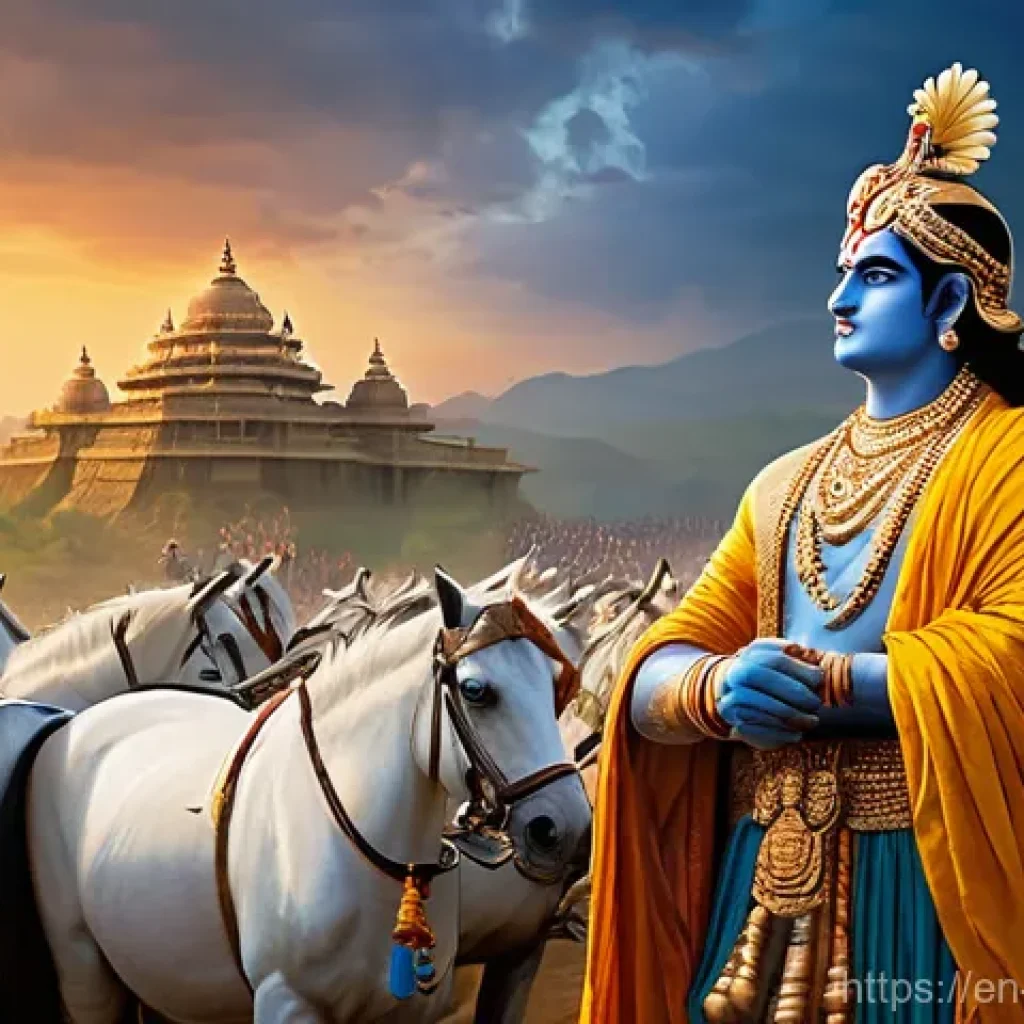
Ever wondered how ancient wisdom grapples with one of humanity’s most enduring and complex challenges? I certainly have. It’s a question that has kept me pondering late into the night sometimes, especially with all the global tensions and profound moral dilemmas we witness daily.
We often seek simple answers to incredibly complicated issues, but what if a rich, ancient philosophy offered a framework that’s surprisingly relevant to our modern world?
Hinduism, often celebrated for its profound emphasis on peace, spiritual harmony, and the interconnectedness of all life, holds a surprisingly intricate and deeply thought-provoking philosophy when it comes to the concept of war.
It’s not as simple as a blanket ‘all violence is bad’ or a straightforward ‘fight for glory.’ Believe me, diving into these foundational texts reveals a depth that truly challenges our contemporary notions of conflict, duty, and even what it means to be righteous in action.
Having spent countless hours poring over scriptures like the Bhagavad Gita and analyzing epic narratives, I’ve come to appreciate the nuanced perspectives offered.
It’s not just about historical battles; it’s about the internal struggles we face, the agonizing moral dilemmas, and the very definition of dharma, or righteous conduct, in any given situation.
In an era where ethical considerations in warfare, peacebuilding efforts, and even the psychological impact of conflict are debated fiercely, understanding these ancient frameworks becomes incredibly relevant.
It truly offers a fresh lens through which to view today’s headlines and even anticipate future societal shifts in how humanity approaches global stability.
This isn’t just an academic exercise; it’s a journey into timeless wisdom that I believe can truly illuminate our present. Let’s get right into the heart of it and explore this compelling intersection of faith and conflict.
The Intricate Dance of Dharma and Just War
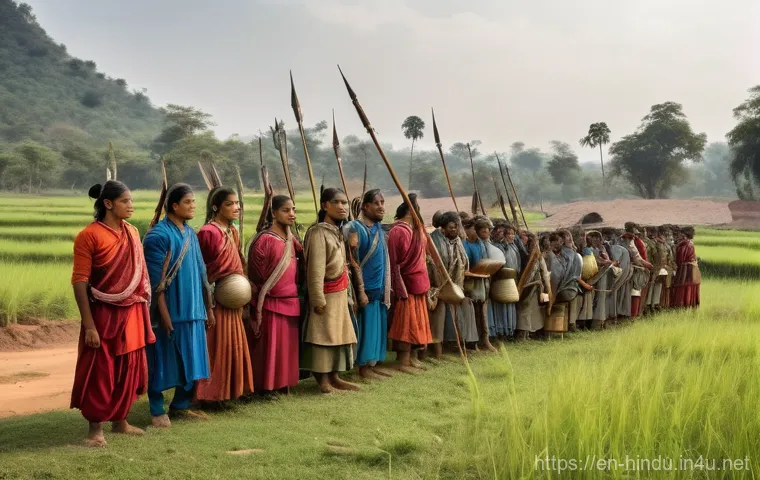
When I first delved into Hindu scriptures, especially epic narratives like the Mahabharata, I was genuinely struck by the profound moral dilemmas presented.
It’s not just a simple story of good versus evil; it’s a deeply layered exploration of what constitutes a “just war,” or *Dharma Yuddha*, which is a concept I’ve found incredibly relevant to understanding global conflicts today.
This isn’t some abstract theoretical idea; it’s a living philosophy that grapples with the agonizing decisions leaders and individuals face when peace fails.
I’ve spent countless hours pondering how these ancient thinkers meticulously outlined scenarios where conflict, though tragic, might be unavoidable, and even righteous.
The emphasis is never on glorifying violence, but rather on understanding the profound responsibility that comes with wielding power and the absolute necessity of exhausting all peaceful avenues first.
It really makes you think about the burden of leadership and the moral tightrope walk involved in protecting one’s people or upholding justice when pushed to the brink.
Defining Dharma in the Face of Conflict
For me, understanding *Dharma* is the absolute cornerstone here. It’s more than just “religion” or “duty”; it encompasses cosmic law, moral order, and righteous conduct.
In the context of war, *Dharma* dictates the conditions under which a conflict can be considered just, the rules of engagement, and even the mental state of the warriors.
It’s a holistic framework that examines the very fabric of society and an individual’s place within it. I’ve come to believe that this ancient emphasis on adherence to *Dharma*, even in the throes of battle, speaks volumes about the value placed on ethical conduct above all else.
It’s a profound challenge to any notion of “total war” where all rules are discarded. This deeply ingrained sense of duty and righteousness, even amidst chaos, is something I personally find incredibly inspiring and a crucial lesson for our own times.
The Last Resort: When All Other Avenues Fail
What truly resonated with me from these ancient texts is the consistent portrayal of war as an absolute last resort. You don’t just jump into battle because you feel like it.
No, the scriptures often detail extensive diplomatic efforts, negotiations, and appeals for peace that precede any military action. The narrative surrounding the Kurukshetra War in the Mahabharata, for instance, goes to great lengths to illustrate how Krishna himself attempted to mediate and prevent the bloodshed.
This emphasis on exhausting every single peaceful option before resorting to arms is a powerful reminder that violence, even when deemed necessary, carries immense spiritual and karmic weight.
It highlights a universal truth: true strength often lies in patience and wisdom, not just the ability to wield a weapon. It’s a lesson that, I believe, societies today could benefit immensely from internalizing.
Arjuna’s Dilemma: The Bhagavad Gita’s Moral Compass
The Bhagavad Gita, nestled within the Mahabharata, presents one of the most profound ethical dialogues I’ve ever encountered. Arjuna, a mighty warrior, finds himself on the battlefield, facing his own cousins, teachers, and friends.
His anguish is palpable, and honestly, it’s a feeling I can relate to on a human level – that immense conflict between personal bonds and what feels like an impersonal, righteous duty.
He questions the very purpose of fighting, the morality of killing, and the suffering it will inflict. This isn’t just a historical account; it’s a timeless exploration of moral paralysis and the search for meaning in a chaotic world.
Krishna’s guidance to Arjuna isn’t a simple command to fight; it’s a deep philosophical discourse on the nature of action, consequence, and the soul’s immortality.
It truly challenged my own preconceptions about what it means to act decisively in the face of immense moral ambiguity.
Duty (Svadharma) Versus Personal Affection
One of the most striking lessons for me from Arjuna’s plight is the powerful tension between *Svadharma* (one’s own righteous duty) and personal attachments.
Arjuna’s despair stems from the thought of fighting those he loves. Krishna’s response isn’t to dismiss his feelings, but to elevate the understanding of duty beyond emotional ties.
He explains that as a *Kshatriya* (warrior class), Arjuna’s *Dharma* is to uphold justice and protect the innocent. This focus on performing one’s prescribed duty without attachment to the results is a cornerstone of Karmic philosophy.
I’ve found this concept incredibly liberating in my own life, not just in grand moral dilemmas, but even in everyday tasks. It encourages you to focus on the integrity of your actions rather than being paralyzed by the fear of outcomes or personal comfort.
It’s a mindset that cultivates inner peace even when facing external strife.
The Detachment of Action: Karma Yoga
The principle of *Karma Yoga*, or the path of selfless action, is absolutely central to the Gita’s teachings on warfare and, frankly, on life itself. Krishna instructs Arjuna to perform his duty without attachment to the fruits of his actions.
This isn’t about apathy; it’s about acting with full effort and dedication, yet relinquishing the emotional investment in the specific outcome. For me, this has been a game-changer.
It helps to prevent burnout and keeps one focused on the ethical integrity of the act itself. In the context of war, it implies that a warrior should fight righteously, with skill and courage, but without hatred or personal vendetta, and without being consumed by the desire for victory or fear of defeat.
It’s a truly profound teaching that aims to preserve the purity of the individual’s spirit even amidst violent external circumstances.
Ethical Frameworks for Conflict: Rules of Engagement
It’s easy to assume that ancient conflicts were utterly barbaric, a free-for-all. However, my exploration of Hindu texts revealed surprisingly sophisticated rules of engagement and ethical considerations for warfare, even thousands of years ago.
These aren’t just quaint suggestions; they are deeply woven into the concept of *Dharma Yuddha*. It feels incredibly modern, almost anticipating the Geneva Conventions, in its insistence on protecting non-combatants and limiting unnecessary suffering.
It shows a profound respect for life and a clear understanding that even in war, there are lines that should not be crossed. I found myself thinking about how much we could still learn from these principles today, especially in an age where the lines of conflict can so easily blur and civilians are disproportionately affected.
Protecting the Vulnerable: Non-Combatants and Sacred Spaces
A truly astonishing aspect of ancient Hindu ethical warfare, from my perspective, is the clear directive to protect non-combatants. This includes women, children, the elderly, farmers, and those who have surrendered.
There are also specific injunctions against attacking sacred sites or harming envoys and priests. This isn’t just about chivalry; it’s rooted in the idea of preserving the societal fabric and minimizing suffering.
I think this demonstrates a deeply compassionate and far-sighted understanding of the long-term consequences of war. It’s a recognition that victory achieved through indiscriminate violence is a hollow victory, one that leaves an irreparable scar on the collective soul.
This ancient wisdom, to me, is a powerful argument for maintaining humanity even in the most inhumane of situations.
Fair Play and Proportionality in Battle
Beyond protecting the vulnerable, there are also explicit rules governing the conduct *between* combatants. For example, striking an unarmed foe, an enemy in retreat, or one who has lost their weapon is often deemed unrighteous.
The concept of proportionality, ensuring the response matches the aggression, also appears implicitly. This emphasis on “fair play” in battle, even against an enemy, is truly remarkable.
It tells me that the goal was never simply annihilation, but rather the restoration of *Dharma*. It implies that even enemies are beings with dignity, and that a warrior’s honor is tied not just to victory, but to the righteous manner in which that victory is pursued.
It makes me wonder about the psychological impact these rules would have had on the warriors themselves, fostering a sense of integrity even in the heat of battle.
| Principle | Description | Modern Relevance |
|---|---|---|
| Dharma Yuddha (Just War) | Conflict initiated only as a last resort, for righteous causes, and following ethical guidelines. | International humanitarian law, “jus ad bellum” and “jus in bello” doctrines. |
| Ahimsa (Non-violence) | While often misinterpreted as absolute pacifism, it emphasizes minimizing harm and exhausting peaceful options. | Peacekeeping efforts, diplomatic solutions, conflict resolution. |
| Svadharma (Personal Duty) | Performing one’s inherent duties without attachment to results, even in difficult circumstances. | Ethical leadership, accountability, moral courage in decision-making. |
| Protection of Non-Combatants | Strict injunctions against harming women, children, elderly, and those who have surrendered. | Geneva Conventions, laws of armed conflict protecting civilians. |
The Metaphorical Battle: Inner Conflict and Self-Mastery
What often gets overlooked, I’ve found, is the profoundly metaphorical interpretation of war within Hinduism. While historical battles certainly occurred, many texts also use the battlefield as a powerful allegory for the internal struggles we all face.
This aspect, to me, is where the ancient wisdom truly transcends time and becomes incredibly personal. The “enemies” are not just external adversaries but rather our own negative impulses: anger, greed, ego, lust.
The “warrior” is the individual soul striving for self-mastery and spiritual liberation. This duality between the external and internal battle is something I’ve personally grappled with, realizing that some of our most significant victories are won not on a physical battlefield, but within the quiet confines of our own minds.
It’s a powerful reminder that spiritual growth often involves a relentless internal struggle.
Conquering the Internal Demons
The idea that our greatest foes reside within us is a recurrent theme, and it’s one that has always resonated deeply with me. The scriptures encourage us to be vigilant against the “inner enemies” that cloud our judgment and lead us astray.
Pride, jealousy, attachment – these are the forces that truly prevent us from living a *Dharmic* life. The “war” in this sense is a constant process of self-reflection, discipline, and purification.
It’s about consciously choosing virtue over vice, even when it’s difficult or uncomfortable. I’ve personally experienced the profound peace that comes from overcoming a stubborn habit or letting go of a grudging resentment.
It’s a tough fight, no doubt, but the rewards are immeasurable, leading to a deeper sense of fulfillment and genuine happiness.
The Path to Spiritual Liberation
Ultimately, this internal battle is depicted as a pathway to *Moksha*, or spiritual liberation. It’s not about escaping the world, but about engaging with it consciously and ethically, purifying the self in the process.
The “victory” isn’t about dominion over others, but about freedom from the cycles of suffering and rebirth. This spiritual dimension elevates the concept of “war” beyond mere physical conflict into a transformative journey.
It suggests that every challenge, every moral dilemma, can be an opportunity for growth and a step closer to understanding our true nature. For me, this perspective offers immense hope and purpose, transforming life’s difficulties into meaningful opportunities for self-discovery and connection to something much larger than ourselves.
Beyond Violence: Ahimsa and the Pursuit of Peace

While we’ve been discussing war, it’s absolutely crucial to remember that *Ahimsa*, or non-violence, is one of the most foundational tenets of Hinduism.
This isn’t a contradiction; it’s a nuanced understanding that even in discussing righteous war, the ultimate ideal is always peace. I’ve often heard people mistakenly assume that if a religion discusses war, it must somehow endorse violence.
But my experience with Hindu philosophy has shown me quite the opposite. The emphasis on *Ahimsa* is profound and pervasive, influencing everything from diet to daily interactions.
It frames war as a tragic failure, a deviation from the ideal, even when deemed necessary. It’s a constant gravitational pull towards reconciliation and harmony, an underlying current that seeks to heal and restore rather than destroy.
The Ideal of Non-Harming
*Ahimsa* isn’t just about not killing; it’s a much broader and deeper principle of non-harming, in thought, word, and deed. This means actively cultivating compassion, empathy, and kindness towards all beings.
For me, this is where the rubber meets the road. It challenges us to look beyond immediate reactions and consider the long-term impact of our words and actions.
It’s a daily practice, not a one-time decision. The texts often present *Ahimsa* as the highest *Dharma*, suggesting that true strength lies not in the ability to inflict harm, but in the capacity to prevent it and to foster well-being.
This perspective encourages a proactive approach to peace, where conflict is minimized through understanding and respect.
The Role of Diplomacy and Conciliation
The constant push towards *Ahimsa* translates directly into a strong preference for diplomacy and conciliation. As mentioned earlier, war is portrayed as a last resort because the ideal is to resolve disputes through dialogue and mutual understanding.
The epic narratives are replete with examples of sages and leaders striving to avert conflict, even at great personal cost. This unwavering commitment to peaceful resolution underscores the deep-seated belief that violence, while sometimes unavoidable, always carries a heavy price.
It reminds me that true statesmanship lies in the ability to bridge divides and find common ground, not in the readiness to draw swords. This ancient wisdom really emphasizes the immense value of human lives and the societal fabric that war so easily tears apart.
The Kshatriya’s Burden: Duty and Sacrifice
The concept of the *Kshatriya*, the warrior and ruler class, is central to understanding Hinduism’s approach to war. It’s not a glorification of violence, but rather a recognition of a specific role within society – one that comes with immense responsibility and a heavy burden.
I’ve come to see the *Kshatriya* as a protector, a guardian of *Dharma*, someone who shoulders the responsibility of defending the innocent and maintaining order, even if it means personal sacrifice.
This isn’t a path chosen lightly; it’s a calling that demands courage, discipline, and an unwavering commitment to justice. It’s a fascinating look at how ancient societies compartmentalized roles and assigned duties based on inherent nature and societal need, emphasizing balance.
The Protector’s Sacred Obligation
The primary *Dharma* of a *Kshatriya* is to protect. This isn’t an optional duty; it’s a sacred obligation. When chaos threatens, when injustice reigns, it is the *Kshatriya*’s role to restore order, even if it requires force.
This perspective provides a framework for understanding why war, though tragic, might sometimes be considered righteous. It’s not about conquest or personal gain, but about fulfilling a societal function to prevent greater harm.
I find this especially thought-provoking in our modern world, where the role of military and law enforcement is often debated. This ancient understanding provides a powerful justification for necessary defense, grounding it in a higher ethical purpose rather than mere power politics.
It implies a strong moral contract between the protectors and the protected.
Personal Sacrifice for the Greater Good
What truly defines the *Kshatriya* in these narratives is their willingness to make profound personal sacrifices for the greater good. They are expected to put their duty, their *Dharma*, above their own lives, families, and desires.
Arjuna’s initial reluctance in the Bhagavad Gita stems from this very conflict – the personal cost of fulfilling his duty. Krishna’s message, in part, is about accepting that burden.
This emphasis on selflessness and sacrifice, even in the context of warfare, speaks volumes about the moral expectations placed upon those who wield power.
It teaches that true leadership is about service, not privilege, and that the ultimate measure of a warrior is not just their strength, but their unwavering commitment to the well-being of their people.
This idea of putting one’s life on the line for a principle is something that has universal resonance.
Ancient Wisdom for Modern Conundrums: Lessons for Today
As I reflect on these ancient Hindu philosophies regarding war, I’m constantly amazed by their enduring relevance. It’s not just historical curiosity; these texts offer profound insights into the ethical dilemmas that continue to plague our world today.
From geopolitical conflicts to humanitarian interventions, the questions of justice, proportionality, and the protection of civilians are just as pressing now as they were millennia ago.
I’ve found that these frameworks provide a rich lens through which to analyze contemporary events, encouraging a deeper, more nuanced understanding than simplistic narratives often allow.
It truly shows that while technology changes, the fundamental human questions about conflict and morality remain startlingly consistent.
Navigating Global Tensions with Ethical Principles
In an era of complex global tensions, proxy wars, and the ever-present threat of large-scale conflict, the principles of *Dharma Yuddha* offer a valuable ethical compass.
The emphasis on exhausting all peaceful means, protecting non-combatants, and fighting for righteous causes (not for conquest) provides a robust framework for international relations.
I personally believe that if world leaders genuinely engaged with these ancient principles, we might see a more thoughtful and less reactive approach to global crises.
It’s about instilling a sense of responsibility and accountability, ensuring that military action is always a carefully considered last resort, driven by ethical imperatives rather than nationalistic fervor or economic gain.
It’s a call for a higher standard of global conduct.
Reconciling Force with Spiritual Values
Perhaps the most powerful lesson for me is the Hindu tradition’s attempt to reconcile the seemingly contradictory concepts of righteous force and deep spiritual values like *Ahimsa*.
It shows that a spiritual path doesn’t necessarily mean absolute passivity in the face of injustice. Instead, it offers a path where necessary action, even forceful action, can be undertaken with ethical integrity and a detached mindset.
This balance is incredibly difficult to achieve, but the fact that these ancient texts even explore it offers immense guidance. It implies that true spirituality isn’t about escaping the world’s problems, but about engaging with them mindfully, striving to uphold *Dharma* in every circumstance, even when it demands immense courage and difficult choices.
It’s a powerful testament to the complexity and depth of human morality.
Wrapping Things Up
Diving into the ancient Hindu concepts of Dharma and the just war has been an incredibly eye-opening journey for me, and I hope it has been for you too. It’s truly fascinating how these millennia-old philosophies offer such profound, nuanced perspectives on conflict, ethics, and even our own internal battles. What truly stands out is the enduring wisdom that pushes us to seek peace first, act with integrity when faced with unavoidable conflict, and ultimately, strive for a higher purpose beyond mere victory. These teachings aren’t just historical footnotes; they’re a vibrant, living framework that continues to challenge and guide us in navigating the complexities of our modern world. I personally feel a deeper appreciation for the thoughtfulness with which these sages approached some of humanity’s toughest questions, reminding us that even in the darkest times, maintaining our moral compass is paramount.
Handy Insights You’ll Want to Keep
Here are a few quick takeaways and useful nuggets of wisdom gleaned from these ancient discussions that I’ve found incredibly practical, both for understanding global events and for navigating everyday life:
1. Think “Last Resort” First: Before jumping to conclusions or drastic actions, remember the principle that true wisdom often lies in exhausting all peaceful avenues. Whether it’s a heated debate with a friend or a major policy decision, always ask: have all diplomatic options been explored? This mindset, which has roots in Dharma Yuddha, has personally helped me approach conflicts with a calmer, more strategic perspective, leading to far better outcomes than impulsive reactions ever could. It’s about proactive peace-building, not just reactive conflict management, and it genuinely transforms how you handle disagreements.
2. Identify Your Own “Dharma”: Understanding your personal duty or role, whether in your family, community, or workplace, can provide immense clarity. Just as the Kshatriya had a specific Dharma, we all have responsibilities that align with our inherent nature and position. Reflecting on this has helped me prioritize and act with a stronger sense of purpose, ensuring my actions align with my values rather than external pressures. It’s a powerful tool for self-guidance and ethical decision-making, helping you stay grounded even when the going gets tough and external pressures try to sway you from your true path.
3. Cultivate Detachment from Outcomes: The concept of Karma Yoga – acting without attachment to the fruits of your labor – is a game-changer. Do your best, work hard, and act ethically, but don’t let the anxiety of the result paralyze you. I’ve found that this practice significantly reduces stress and allows for more authentic effort, as you’re focused on the integrity of the action itself rather than obsessing over potential gains or losses. It helps shift focus from what you *get* to how you *give*, leading to a more fulfilling and less anxious approach to daily challenges, especially when stakes are high and expectations loom large.
4. Recognize the Inner Battle: Remember that many of life’s “wars” are fought within. Our inner demons – anger, greed, fear, ego – often cause more havoc in our lives than any external adversary ever could. Engaging in self-reflection and consciously striving for self-mastery is a continuous, rewarding battle that leads to genuine inner peace. It’s a constant reminder that true strength often comes from within, from conquering our own limitations and biases, rather than external displays of power. This insight has been particularly helpful in fostering personal growth and maintaining emotional equilibrium in a turbulent world.
5. Prioritize Compassion (Ahimsa) Always: Even when discussing conflict, the underlying ideal of Ahimsa, or non-harming, remains paramount. Strive to minimize harm in all your interactions, both big and small, in thought, word, and deed. This doesn’t mean being passive; it means acting with a deep sense of empathy and seeking solutions that promote well-being for all, recognizing the interconnectedness of all beings. For me, this principle anchors all other actions, serving as a moral compass that points towards kindness and understanding, even when faced with disagreement or adversity. It’s about building bridges, not burning them, whenever humanly possible.
Key Pillars to Remember
To sum up our deep dive, the Hindu concept of “Dharma Yuddha” isn’t a simplistic endorsement of war, but a highly intricate ethical framework. It fundamentally posits that any conflict must be a last resort, undertaken only for righteous causes, and executed with strict adherence to moral guidelines. We’ve seen how Arjuna’s profound dilemma in the Bhagavad Gita beautifully illustrates the internal struggle between personal affection and sacred duty, guiding us towards performing our responsibilities with detachment from results. Moreover, ancient texts surprisingly laid out sophisticated “rules of engagement” – emphasizing the protection of non-combatants, fair play, and proportionality – which resonates powerfully with modern humanitarian laws. Finally, it’s crucial to remember the overarching spiritual dimension: that many battles are internal, leading us towards self-mastery and spiritual liberation, and that the ideal of “Ahimsa” (non-violence) remains the highest Dharma, always pushing towards peace and reconciliation as the ultimate goal.
Frequently Asked Questions (FAQ) 📖
Q: How can a religion celebrated for its emphasis on peace and spiritual harmony, like Hinduism, also grapple with the concept of war, and what makes its approach so unique?
A: That’s such a brilliant question, and honestly, it’s exactly what drew me into this topic in the first place! For many, the idea of a peaceful spiritual tradition discussing war seems like a contradiction, right?
But what I’ve discovered through my deep dives is that Hinduism isn’t about avoiding the harsh realities of existence; it’s about understanding them within a much larger, often cyclical, cosmic framework.
Unlike some perspectives that might simply declare all violence as inherently evil or glorify conflict for conquest, Hindu philosophy, particularly as explored in texts like the Bhagavad Gita, delves into the why and how of warfare from a deeply ethical and dharmic perspective.
It’s not a simple ‘either/or’ situation. Instead, it examines the righteousness of a cause, the duty of individuals, and the consequences of actions, both immediate and karmic.
Personally, what I find incredibly unique is its focus on the internal battle that often precedes any external one – the struggle with doubt, fear, and the moral weight of difficult decisions.
It posits that war, when absolutely necessary, must be waged with specific ethical guidelines and not for personal gain or unbridled aggression. This nuanced approach, acknowledging that sometimes grave evils must be resisted, yet always emphasizing peace as the ultimate goal, is what truly sets it apart for me.
It’s about balance, even in the most unbalanced of situations.
Q: What role does ‘Dharma’ play in determining when and how warfare might be considered justified in Hindu thought?
A: Ah, Dharma! This concept is truly the beating heart of Hindu ethics, and understanding its role is absolutely crucial when we talk about war. For those unfamiliar, Dharma isn’t just “religion” or “duty” in the Western sense; it’s a profound, overarching principle of righteous conduct, cosmic order, and ethical living that underpins everything.
In the context of warfare, I’ve found that Dharma acts as the ultimate moral compass. A war, to be considered justified, must align with Dharmic principles – meaning it must be undertaken for a just cause, as a last resort, and to uphold righteousness against overwhelming evil or injustice.
This isn’t about aggression; it’s about restoration. For instance, in the Mahabharata, the epic struggle of the Pandavas against the Kauravas is framed as a war fought to re-establish Dharma.
It’s a defense against tyranny and the breakdown of societal order. My take is that it’s less about glorifying battle and more about the solemn, often agonizing, duty of a ruler or a warrior to protect the innocent, uphold justice, and restore balance when all other avenues have failed.
The conditions under which one can engage in ‘Dharmayuddha’ (righteous war) are incredibly stringent, focusing on proportionality, protection of non-combatants, and fighting without hatred.
It emphasizes that even in battle, one must maintain their moral integrity. It’s a constant inner battle to act righteously, even when the world around you is collapsing into chaos.
Q: Are there specific Hindu scriptures or philosophical texts that are essential for understanding its perspectives on conflict, and what key takeaways should we know?
A: Absolutely! When I first started exploring this, I realized you can’t truly grasp Hinduism’s take on conflict without diving into its foundational texts.
The undisputed heavyweight champion here is undoubtedly the Bhagavad Gita. It’s not just a scripture; it’s a profound philosophical dialogue embedded within the epic Mahabharata, and it truly changed my perspective.
The Gita presents Lord Krishna’s counsel to Arjuna on the battlefield, addressing his moral dilemma about fighting his own kin. The key takeaway from the Gita, as I interpret it, is the concept of Karma Yoga – performing one’s duty (Dharma) without attachment to the results.
Krishna instructs Arjuna to fight not out of anger or desire for victory, but as his righteous duty, with a detached spirit. This isn’t a call to arms for just any reason; it’s about acting with clarity and purpose when faced with an unavoidable moral imperative.
Beyond the Gita, the Mahabharata itself is a treasure trove, detailing the devastating consequences of war and the complex ethical quandaries faced by its characters.
You also find principles of warfare, often called ‘Dharma Yuddha’ or ‘righteous war,’ discussed in ancient legal texts like the Manusmriti and Arthashastra, which outline rules of engagement, treatment of enemies, and the duties of a king.
My biggest takeaway from all of these is that Hindu philosophy doesn’t shy away from the reality of conflict, but it always frames it within a strict ethical and spiritual context, demanding self-reflection, righteous intent, and a constant striving for peace as the ultimate aim.
It’s truly a rich tapestry of wisdom that pushes us to think deeper than surface-level solutions.