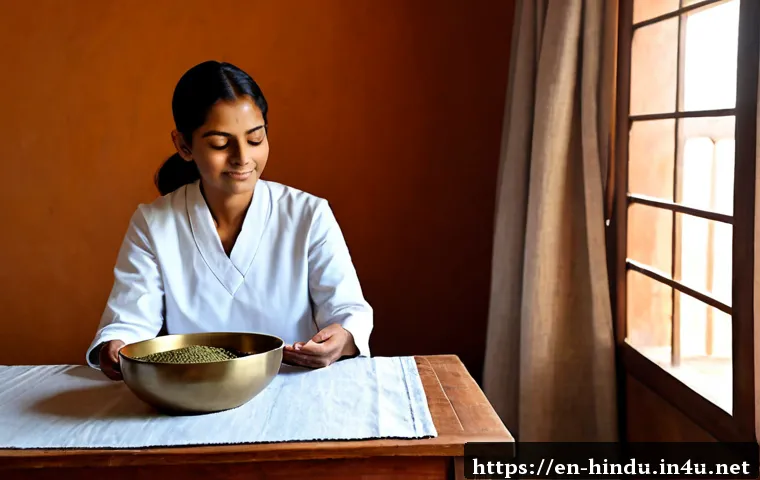
Ayurveda shares historical and philosophical roots with Hindu traditions, but it is not the same as Hinduism or a substitute for medical care. It is a traditional South Asian health system that often focuses on daily routines, food, herbs, massage, yoga-related practices, and concepts such as doshas.
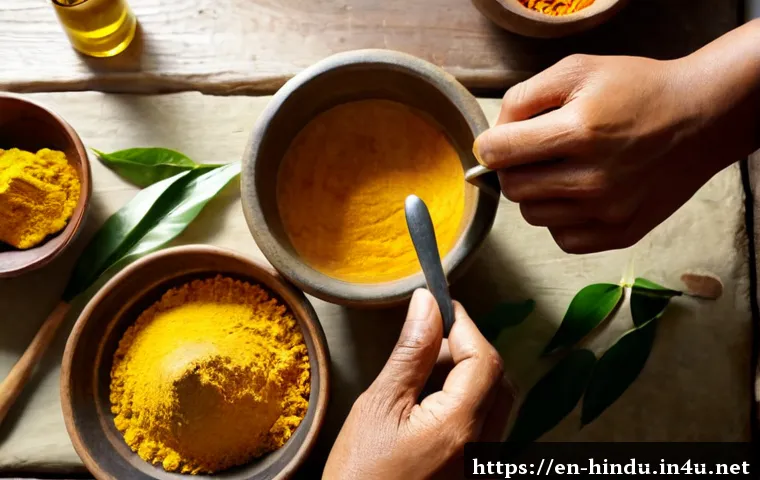
For many people, Ayurveda is a cultural learning experience or a form of lifestyle support rather than a treatment plan for disease. If you are considering an Ayurvedic consultation, herbal product, or wellness program, compare the practitioner’s scope, product transparency, and full cost before paying.
Serious, ongoing, or urgent symptoms should be assessed by an appropriately licensed healthcare professional. Herbal and mineral-containing products also deserve extra caution because ingredients may be active, may interact with medicines, and may raise quality-control concerns.
At a Glance
- Ayurveda and Hindu traditions overlap historically, but Ayurveda is not simply a religious ritual and is practiced by people of different faiths.
- Ayurvedic wellness may focus on routines, food, sleep, stress, herbs, massage, and yoga-related practices, depending on the practitioner or program.
- Do not use Ayurvedic care as a replacement for necessary medical evaluation, especially when symptoms are serious, persistent, or urgent.
| Option | Best suited for | Time and risk considerations | Main cost drivers |
|---|---|---|---|
| Self-guided routine | Learning about daily habits, food preferences, and cultural context | Usually lower complexity; avoid self-prescribing herbs or cleanses | Books, classes, food changes, basic wellness items |
| Ayurvedic practitioner consultation | Structured lifestyle discussion and individualized wellness guidance | Requires careful review of credentials, scope, and product recommendations | Visit length, practitioner training, follow-ups, herbs, massage, or testing |
| Wellness retreat or program | Immersive cultural learning or supported routine changes | May involve bundled services and higher financial commitment | Accommodation, treatments, meals, classes, packages, and products |
The Short Answer: How Ayurveda Relates to Hindu Traditions
Shared South Asian History Without Treating the Two as Identical
Ayurveda developed in South Asia alongside Hindu intellectual and cultural traditions. That shared setting explains why some Ayurvedic language, practices, and ideas may feel familiar to people studying Hindu traditions. Still, Ayurveda is not identical to Hinduism, and it should not be presented as a requirement for Hindu religious practice.
People from different faiths and cultural backgrounds use Ayurveda today. Some approach it as a traditional health system, while others are interested in food, routines, massage, or yoga-related wellness practices. Cultural respect matters: learning the historical context is different from making broad medical claims about a tradition.
What Ayurveda Commonly Includes in Modern Wellness Settings
An Ayurvedic practitioner may ask about digestion, sleep, daily schedule, food preferences, stress, and perceived body constitution. Discussions may use the concept of doshas, along with suggestions related to routines, meals, herbs, oils, massage, or yoga-related practices.
What is included varies widely. One consultation may focus mostly on lifestyle support. Another may recommend products, bodywork sessions, a cleanse, or a longer wellness program. Before booking, ask what is included in the consultation fee and what may create additional costs later.
When Traditional Wellness Guidance Should Not Replace Medical Care
Ayurvedic guidance may be meaningful as cultural learning or general wellness support. It should not replace medical assessment for serious, persistent, or urgent symptoms. A dosha assessment also should not be treated as a substitute for conventional evaluation when a medical condition may be involved.
Ayurveda Options Compared: Self-Care, Practitioner Visits, and Wellness Programs
How to Compare Goals, Commitment, and Cost Factors
A self-guided approach can be a reasonable starting point for readers who want to explore routines without purchasing a large package. It may involve learning about daily habits, cooking, sleep routines, or stress management. This route is often simpler when no complex symptom concern is driving the decision.
A practitioner-led plan can offer more structure, but it also requires more scrutiny. Consultation costs and wellness program costs vary by location, credentials, visit length, included services, and recommended products. A retreat or cleansing package may add lodging, meals, treatments, or classes to the total commitment.
What May Be Included in an Initial Consultation and Follow-Up Plan
An initial Ayurvedic consultation may include questions about routine, sleep, digestion, stress, food preferences, and perceived constitution. A follow-up plan may discuss practical changes, suggested products, or additional appointments. Ask whether recommendations are optional, whether follow-ups are expected, and whether product sales are separate from professional fees.
Why Extras Can Change the Total Cost
Herbs, oils, massage packages, tests, cleanses, and retreat services can substantially change the final amount spent. Do not assume an advertised consultation covers every recommendation. Request a clear explanation of expected services, product costs, and any ongoing program requirements before agreeing to care.
What an Ayurvedic Consultation Can and Cannot Do
Common Discussion Areas
An Ayurvedic consultation may help organize a conversation about routines, meals, sleep, stress, and comfort goals. For some people, that structure is the main value. A practitioner may frame those discussions through doshas or other traditional concepts.
Evidence Limits and Responsible Expectations
Traditional use does not establish that a specific remedy is effective or safe for a particular person or condition. Be cautious with claims that a consultation, herb, or program can diagnose, cure, or reliably resolve chronic symptoms. A responsible wellness discussion should make room for uncertainty and referrals when needed.
Coordinating With a Physician, Pharmacist, or Licensed Clinician
If you use prescription medicines, have chronic conditions, are pregnant, have allergies, or are considering a supplement, coordination matters. A physician, pharmacist, or other appropriately licensed clinician can help review possible medication interactions and safety concerns. Do not stop prescribed treatment based solely on traditional wellness advice.
Safety Checks for Herbs, Oils, Cleanses, and Supplements

Medication Interactions and Individual Risk
Ayurvedic products can contain biologically active ingredients. That means an herb or supplement may interact with prescription medicines or may not be appropriate for every person. Cleanses and multi-product plans also deserve careful review when someone has ongoing health concerns.
Product Transparency and Label Review
Look for clear ingredient disclosure, transparent labeling, and third-party testing information when considering an Ayurvedic product. Some herbal or mineral-containing traditional products have raised contamination and quality-control concerns. In the United States, dietary supplements are regulated differently from prescription drugs and are not approved in advance to treat or cure disease.
Red Flags Before You Buy
Walk away from cure claims, pressure to stop medication, vague ingredient lists, or expensive mandatory packages. Another warning sign is a provider who discourages appropriate medical care. A credible practitioner or program should be able to explain its scope, its products, and when a referral is appropriate.
Choosing an Ayurvedic Practitioner or Program for Your Situation
Questions to Ask About Education, Scope, and Referrals
Ask what education the practitioner has completed, what services they provide, and what they do when a client needs medical evaluation. You can also ask how they handle medication questions, where products are sourced, and whether product recommendations are optional. Training and licensing status should be verified rather than assumed.
Match the Option to Your Goal
For cultural learning, a class, book, cooking practice, or routine-focused approach may be enough. For lifestyle support, a consultation may offer more individualized discussion. If symptoms are concerning, persistent, or urgent, prioritize an appropriately licensed healthcare professional rather than relying on a traditional diagnosis alone.
When a Lower-Cost Routine-Based Approach May Fit Better
If your goal is simply to improve consistency around meals, sleep, or daily routines, you may not need a retreat or extensive package. Start with a modest, low-risk approach and avoid adding multiple supplements at once. This makes it easier to understand what you are paying for and what you are actually using.
Selection Criteria and Comparison Summary
Before selecting an Ayurvedic practitioner, consultation, or wellness program, compare these points: credentials and scope of practice, willingness to refer for medical care, clear communication about herbs and supplements, product-label transparency, and the total cost of visits, follow-ups, services, and products. Compare two providers using the same questions rather than choosing only by a promising wellness claim. Compare credentials, scope, product transparency, and total costs before booking. Official program details and full conditions should be checked on the relevant provider page.
In Closing
Ayurveda can be approached as a traditional South Asian wellness system with meaningful historical connections to Hindu traditions. Those connections should be understood with care, without reducing Ayurveda to religion or treating it as proven medical treatment for every concern. A practical decision starts with your goal, your health situation, and a clear view of what a practitioner or program is actually offering. When products or ongoing symptoms are involved, safety checks should come before a purchase.
Useful Things to Know
1. A dosha assessment may guide a traditional wellness conversation, but it does not replace conventional medical evaluation.
2. The lowest advertised consultation cost may not include products, follow-ups, massage, tests, or program services.
3. Product labels, disclosed ingredients, and independent testing information are worth reviewing before using supplements.
4. It is safer to discuss potential interactions with a pharmacist or licensed clinician when prescription medicines are involved.
Important Considerations
This information does not establish whether any individual Ayurvedic remedy, practitioner, or program is safe or effective for a specific person. Credentials, licensing, clinical standards, product sourcing, and pricing vary and should be checked directly. Seek assessment from an appropriately licensed healthcare professional for serious, persistent, or urgent symptoms.
Frequently Asked Questions
Q1. Is Ayurveda a Hindu religion or a medical system?
A1. Ayurveda is a traditional health system with roots in South Asia. It has overlapping historical and philosophical contexts with Hindu traditions, but it is not the same as Hinduism and is practiced by people of different faiths.
Q2. How much does an Ayurvedic consultation or wellness program usually cost?
A2. Exact costs vary by location, practitioner credentials, visit length, included services, products, and whether the option is a consultation, ongoing plan, or retreat. Ask for the total expected cost, including follow-ups, herbs, massage, tests, and any required package elements.
Q3. Are Ayurvedic herbs safe to take with prescription medication?
A3. Not necessarily. Ayurvedic products can contain biologically active ingredients and may interact with prescription medicines. Review any planned herb or supplement with a physician, pharmacist, or other appropriately licensed clinician, especially if you have chronic conditions, allergies, or pregnancy-related concerns.