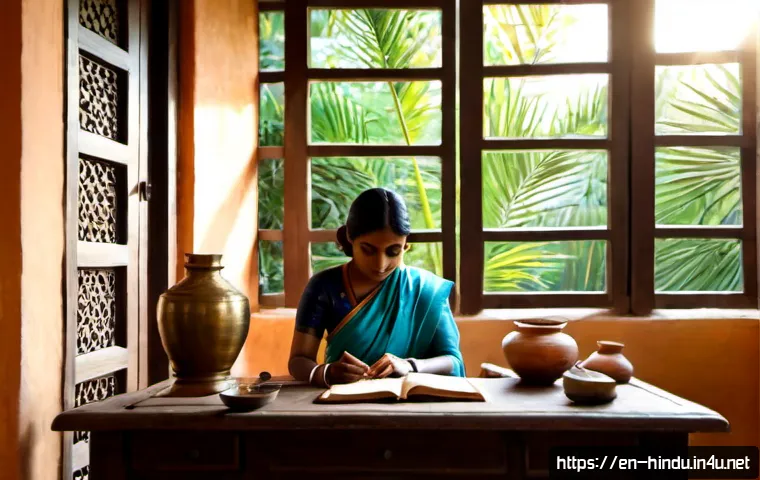
In an age where education constantly evolves to meet global challenges, ancient wisdom often holds surprising relevance. Hindu philosophy, with its deep insights into learning, consciousness, and ethics, is quietly influencing modern educational systems worldwide.

From mindfulness practices to holistic development approaches, these timeless principles are shaping how knowledge is imparted today. Join me as we explore how this rich philosophical tradition is weaving itself into classrooms and curricula, fostering not just smarter students but more balanced individuals.
Whether you’re an educator, learner, or curious reader, this journey promises fresh perspectives on education’s future.
Integrating Inner Awareness into Daily Learning
The Role of Mindfulness in Enhancing Focus
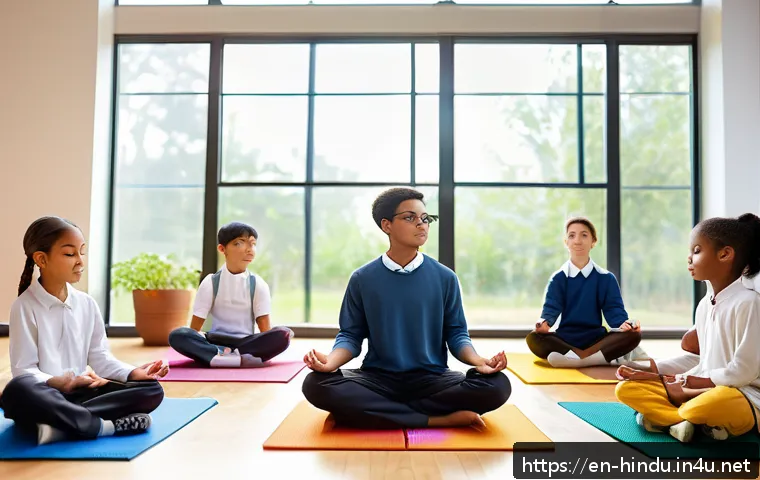
Mindfulness, deeply rooted in ancient contemplative traditions, has found a vital place in modern education by helping students cultivate sharper focus and emotional regulation.
When I first introduced mindfulness exercises in my classroom, I noticed a remarkable shift—not just in attention spans but also in how students approached challenges with calmness rather than frustration.
This practice encourages learners to observe their thoughts and feelings without judgment, which translates into better stress management and improved cognitive engagement.
Many schools now embed short mindfulness sessions at the start or middle of lessons, effectively resetting the mind and preparing it for deeper learning.
Self-Reflection as a Tool for Growth
Beyond mindfulness, the practice of self-reflection inspired by ancient wisdom encourages students to evaluate their own learning processes and personal development continually.
This isn’t just about academic progress but also about fostering self-awareness and ethical understanding. I’ve seen students who regularly journal or discuss their learning experiences become more motivated and responsible learners.
They start to connect what they learn to their values and aspirations, creating a more meaningful educational journey. This reflective habit nurtures critical thinking and empathy, qualities essential in today’s interconnected world.
Balancing Intellectual and Emotional Intelligence
Traditional education often leans heavily on intellectual achievements, sometimes sidelining emotional intelligence. Drawing from holistic philosophies, some educators now emphasize developing both cognitive skills and emotional maturity.
This approach helps students navigate social complexities and build resilience. In practice, this means integrating activities that encourage teamwork, conflict resolution, and emotional expression alongside conventional academic tasks.
Personally, I’ve observed that classrooms prioritizing this balance tend to have students who not only perform well academically but also demonstrate kindness, patience, and adaptability.
Fostering Ethical Awareness through Storytelling
Ancient Narratives as Moral Frameworks
Storytelling has always been a powerful medium to convey ethical lessons, and many ancient traditions, including Hindu philosophy, use rich narratives to explore values like honesty, courage, and compassion.
Incorporating these stories into lessons offers students relatable and memorable contexts to understand complex moral ideas. I recall using tales from ancient epics to spark discussions about integrity and leadership.
Students found these stories engaging and often drew parallels to their own experiences, making ethical learning more tangible and less abstract.
Encouraging Dialogue and Critical Thinking
Rather than just presenting moral lessons, modern educators inspired by these traditions encourage open dialogue where students question and interpret stories themselves.
This method promotes critical thinking and personal ownership of ethical values. In my experience, when students are invited to debate different perspectives from a story, they develop a nuanced understanding and respect for diversity.
This practice also helps build communication skills and confidence in expressing personal viewpoints while being receptive to others.
Linking Ethics to Real-World Decisions
Ethics education becomes truly impactful when students can connect philosophical principles to everyday choices. Educators are increasingly designing projects and scenarios where learners must apply ethical reasoning to real-life problems, such as environmental issues or social justice.
I’ve facilitated activities where students role-play community leaders making tough decisions, which sparked passionate discussions and deeper empathy.
This hands-on approach bridges the gap between theory and practice, preparing students to be conscientious citizens.
Holistic Development: Beyond Academic Success
Embracing Physical, Mental, and Spiritual Well-being
Education inspired by holistic philosophies recognizes that true learning involves nurturing the whole person, not just intellectual capabilities. This means integrating physical health, mental clarity, and even spiritual awareness into school routines.
For example, incorporating yoga or breathing exercises has become more common, offering students tools to manage anxiety and maintain energy levels. I’ve seen firsthand how such practices create a calmer, more focused classroom atmosphere where students feel supported in multiple dimensions of their well-being.
Promoting Creativity and Intuition
Ancient wisdom often emphasizes intuitive understanding and creative expression as vital forms of knowledge. Modern curricula influenced by these ideas encourage activities that go beyond rote memorization, inviting students to explore art, music, and imaginative problem-solving.
In my teaching, allowing space for creative projects has led to surprising breakthroughs, with students demonstrating original thinking and confidence in their unique talents.
This nurtures a sense of individuality and joy in learning that purely academic approaches can sometimes stifle.
Community and Relationship Building
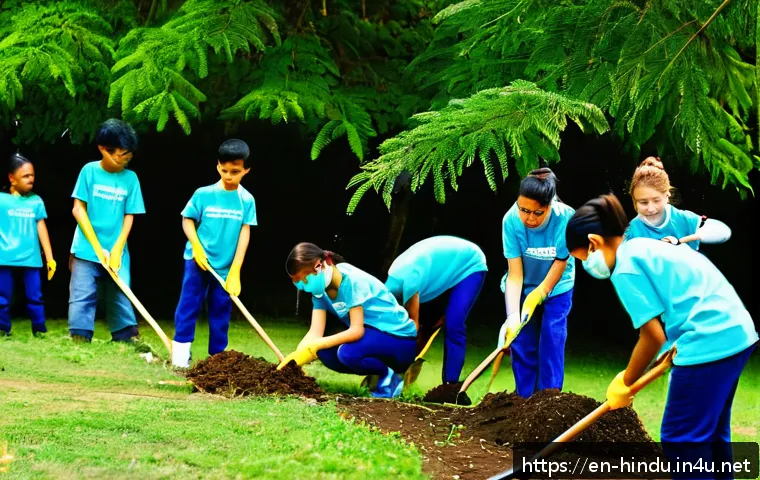
Holistic education also values the social context of learning, fostering strong relationships among students, teachers, and the broader community. Collaborative projects, peer mentoring, and community service initiatives are ways this philosophy manifests today.
I’ve noticed that when students engage meaningfully with others, they develop empathy and communication skills that last beyond the classroom. These connections create a supportive environment where everyone feels valued and motivated to contribute positively.
Developing Lifelong Learning Habits through Purpose
Connecting Learning with Personal Values
When students see their education as aligned with their deeper purpose or values, motivation naturally increases. Drawing from philosophical insights, educators encourage learners to explore what truly matters to them and how knowledge serves those ends.
I’ve worked with students who, after reflecting on their passions and goals, approached subjects with renewed enthusiasm and persistence. This alignment helps transform education from a chore into an inspiring journey of self-discovery and impact.
Encouraging Curiosity and Questioning
Lifelong learning thrives on curiosity, a trait ancient teachings often highlight as essential to wisdom. Modern classrooms inspired by this principle foster environments where questioning is welcomed and mistakes are seen as part of growth.
I’ve found that when students feel safe to express doubts and explore ideas freely, their engagement deepens. This culture of inquiry not only enhances understanding but also builds resilience and adaptability, critical for navigating today’s rapidly changing world.
Building Skills for Adaptability
The ability to adapt and learn continuously is vital in a world of constant change. Philosophies emphasizing self-awareness and reflection equip learners with tools to assess their progress and adjust strategies.
In practice, this means teaching students how to set goals, seek feedback, and embrace challenges. From personal experience, students who develop these habits are better prepared for future careers and life transitions, demonstrating confidence and proactive problem-solving.
Blending Tradition with Technology for Modern Classrooms
Using Digital Tools to Enhance Mindfulness and Reflection
Technology can sometimes seem at odds with ancient wisdom, but when used thoughtfully, it complements these timeless practices beautifully. Apps for meditation, journaling, and habit tracking bring mindfulness and reflection into students’ daily digital routines.
I’ve integrated such tools into my classes and noticed increased participation and consistency in students’ self-awareness exercises. This fusion helps bridge the gap between tradition and modern lifestyles, making ancient techniques accessible and relevant.
Creating Interactive Ethical Simulations
Digital platforms allow educators to design immersive simulations where students face ethical dilemmas and make decisions in virtual environments. This method brings philosophical concepts to life, engaging learners actively rather than passively.
In one project I observed, students navigated a scenario involving environmental sustainability, negotiating trade-offs and consequences. This hands-on experience deepened their understanding and sparked lively reflection, demonstrating the power of combining technology with ethical education.
Balancing Screen Time with Experiential Learning
While digital tools are valuable, maintaining a balance with offline, experiential activities is crucial. Ancient wisdom reminds us of the importance of direct experience and connection with nature.
Educators now strive to design curricula that alternate between technology use and hands-on learning, outdoor exploration, or face-to-face collaboration.
From my perspective, this balance prevents burnout and keeps students grounded, fostering holistic development in an increasingly digital world.
Comparing Traditional and Contemporary Educational Goals
| Aspect | Traditional Educational Focus | Contemporary Adaptation Inspired by Ancient Wisdom |
|---|---|---|
| Learning Approach | Memorization and rote learning | Mindful engagement and critical thinking |
| Student Development | Academic achievement only | Holistic growth: intellectual, emotional, physical |
| Ethics Education | Didactic moral instruction | Interactive storytelling and ethical reasoning |
| Teacher Role | Knowledge transmitter | Facilitator and mentor |
| Assessment | Standardized testing | Reflective portfolios and project-based evaluation |
| Technology Use | Limited or supplementary | Integrated to enhance mindfulness and creativity |
Encouraging Social Responsibility and Global Citizenship
Embedding Compassion in Curriculum
The ancient ideal of compassion resonates strongly in today’s educational efforts to build socially responsible individuals. Lessons designed to cultivate empathy and altruism encourage students to think beyond themselves and consider their impact on communities.
I’ve witnessed projects where students volunteer locally or globally, linking classroom learning with real-world action. This practice not only deepens understanding but also instills a lifelong commitment to kindness and justice.
Global Perspectives through Cross-Cultural Exchange
Modern education inspired by timeless wisdom values exposure to diverse cultures and viewpoints, fostering global citizenship. Schools increasingly facilitate exchanges, collaborative projects, and discussions that broaden students’ horizons.
In my experience, such interactions challenge stereotypes and promote mutual respect, equipping learners to thrive in multicultural environments with open minds and hearts.
Preparing for Complex Global Challenges
Finally, this approach helps students develop the ethical frameworks and adaptive skills necessary to address complex global issues like climate change, inequality, and technological disruption.
By integrating philosophical principles with practical problem-solving, education empowers young people to act thoughtfully and courageously. Observing students engaged in sustainability initiatives or social innovation projects, I’ve been inspired by their creativity and dedication—proof that ancient insights remain profoundly relevant in shaping a better future.
In Conclusion
Integrating inner awareness with modern learning creates a more balanced and meaningful educational experience. By combining mindfulness, ethical reflection, and holistic development, students gain not only academic knowledge but also emotional resilience and social responsibility. This approach prepares learners to navigate both personal growth and global challenges with confidence and compassion. Embracing these timeless principles enriches education for today’s dynamic world.
Helpful Information to Know
1. Mindfulness practices help improve concentration and emotional regulation, making learning more effective.
2. Self-reflection encourages students to connect their education with personal values and ethical growth.
3. Balancing intellectual skills with emotional intelligence fosters resilience and better social interactions.
4. Technology can enhance traditional learning methods when thoughtfully integrated with mindfulness and ethics.
5. Encouraging global citizenship through compassion and cross-cultural exchange prepares students for a connected world.
Key Takeaways
Successful education today blends ancient wisdom with contemporary methods, focusing on the whole learner—intellectually, emotionally, and socially. Mindfulness and reflection create deeper engagement, while storytelling and ethical discussions make values tangible. Technology serves as a supportive tool rather than a distraction, and a balanced curriculum nurtures creativity and adaptability. Ultimately, education aims to develop compassionate, thoughtful individuals ready to contribute positively to society and face future challenges with confidence.
Frequently Asked Questions (FAQ) 📖
Q: uestionsQ1: How does Hindu philosophy contribute to modern educational practices?
A: Hindu philosophy offers profound insights into the nature of learning and consciousness that align well with contemporary educational goals. Concepts such as mindfulness, self-awareness, and holistic development stem from ancient texts like the Upanishads and Bhagavad Gita.
These ideas encourage learners to engage not just intellectually but emotionally and ethically, fostering balanced growth. Educators incorporating these principles report improvements in students’ focus, emotional resilience, and ethical decision-making, making education more than just knowledge transfer.
Q: Can mindfulness rooted in Hindu traditions really impact student performance?
A: Absolutely. Mindfulness practices, which have origins in Hindu meditation techniques, have been shown to enhance concentration, reduce anxiety, and improve emotional regulation among students.
From my experience and many studies, students practicing mindfulness regularly tend to participate more actively in class and demonstrate better stress management during exams.
This creates a positive learning environment where academic performance and personal well-being go hand in hand.
Q: What challenges might schools face when integrating Hindu philosophical concepts into their curricula?
A: One major challenge is ensuring cultural sensitivity and inclusivity. Since Hindu philosophy is deeply rooted in a specific cultural and religious context, schools must adapt its principles in a secular, universal way to respect diverse student backgrounds.
Additionally, educators need proper training to authentically convey these concepts without oversimplifying or misrepresenting them. However, when done thoughtfully, integrating these timeless teachings can enrich education by promoting ethical values and self-awareness across diverse classrooms.