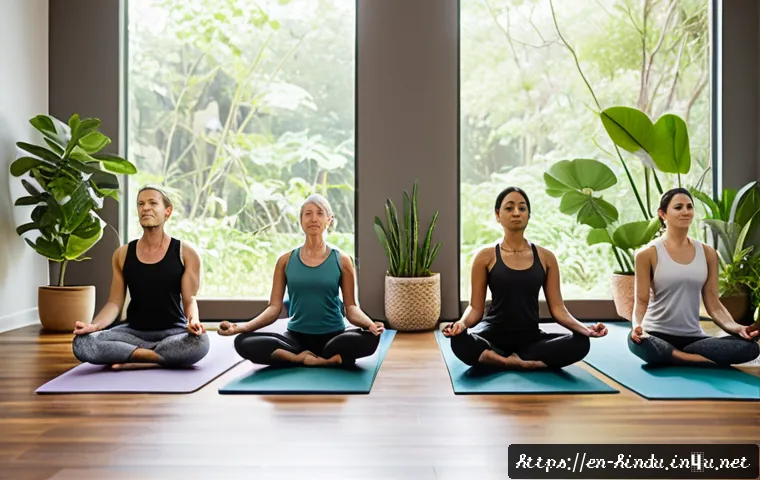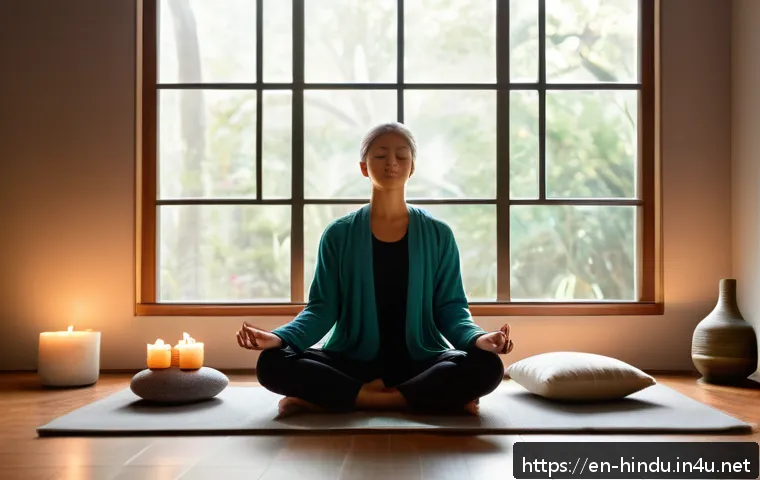
In a world where stress and digital distractions dominate our daily lives, the search for genuine inner peace has never been more urgent. While mindfulness has gained popularity, ancient Hindu meditation traditions offer profound techniques that go beyond simple awareness, inviting us into a deeper journey of self-discovery and tranquility.
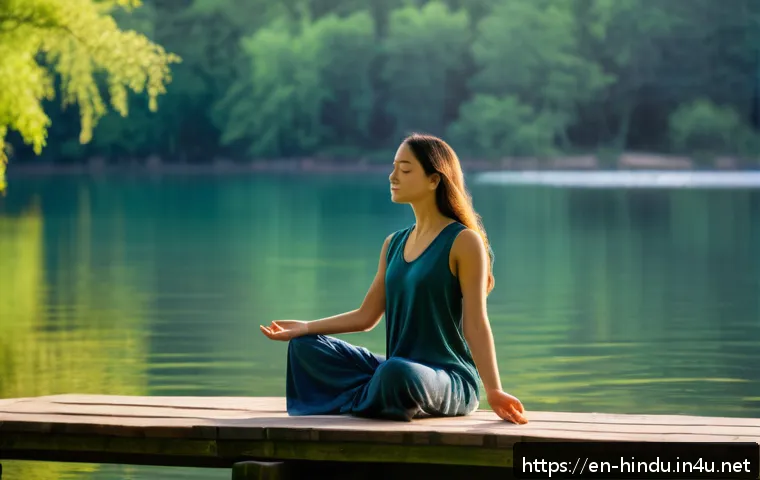
Drawing from centuries-old practices, these methods unlock a powerful connection between mind, body, and spirit that modern routines often overlook. If you’ve ever felt that mindfulness alone isn’t enough, exploring these time-honored rituals might be the key to lasting calm and clarity.
Join me as we dive into this transformative path, uncovering secrets that have stood the test of time and remain relevant in today’s fast-paced world.
Unlocking the Power of Breath: The Gateway to Stillness
The Art of Conscious Breathing
Breath is more than just a life-sustaining process—it’s a direct line to calming the restless mind. When I first started experimenting with deep, conscious breathing, I noticed a shift almost immediately.
Instead of my thoughts darting around like frantic bees, they began to slow down and settle. This technique involves intentionally drawing the breath deep into the belly, holding briefly, then exhaling fully.
It’s a simple yet transformative practice that ushers in a sense of peace that mindfulness alone sometimes can’t reach. The beauty lies in its accessibility; no special tools are needed, just your awareness and willingness to breathe fully.
Breath and Body Connection
What fascinates me is how breath serves as a bridge between the mind and body. When you slow your breathing, your heart rate drops, muscle tension eases, and your nervous system shifts from fight-or-flight to rest-and-digest mode.
This physiological change is a profound doorway to inner calm. I recall days when stress overwhelmed me, and just focusing on my breath for a few minutes helped me reset completely.
It’s as though each breath carries away mental clutter and physical tightness, paving the way for clarity and relaxation.
Integrating Breath into Daily Life
The challenge is often consistency. It’s easy to forget breathing practices amidst a hectic schedule. What worked for me was embedding breathwork into everyday moments—waiting at a red light, before meetings, or even during a short break at work.
These small pockets of mindful breathing accumulate, creating a ripple effect of calm that lasts throughout the day. The key is to treat breath awareness not as a separate task but as an intrinsic part of living fully present.
Embracing the Silence Within: Techniques to Still the Mind
Guided Visualization to Quiet the Noise
One of the most powerful ways I’ve found to quiet a noisy mind is through guided visualization. Instead of fighting intrusive thoughts, this method invites you to gently shift your focus to peaceful imagery—like a serene lake or a gentle breeze through trees.
The practice feels like a mini mental vacation, providing relief from the constant chatter. It’s fascinating how visualizing calming scenes can actually trigger the brain’s relaxation response, helping to lower stress hormones and deepen meditation.
Mantra Meditation: Words that Anchor
Repeating a mantra, a sacred sound or phrase, is a time-tested technique that roots the wandering mind. I remember feeling skeptical at first, wondering if silently chanting a word could really make a difference.
But with practice, the repetition became a comforting rhythm that distracted me from anxious thoughts. The mantra acts like an anchor, pulling attention back whenever it drifts.
This method helps cultivate concentration and a profound sense of inner stillness that pure mindfulness sometimes struggles to achieve.
The Role of Patience in Mental Stillness
It’s crucial to recognize that stilling the mind isn’t an instant fix. When I first tried to silence my thoughts, frustration often crept in, making the process feel like a battle.
Over time, I learned that patience is the unsung hero of meditation. Accepting that the mind will wander, and gently returning without judgment, fosters a kinder, more sustainable practice.
This shift in attitude transforms meditation from a task into a compassionate dialogue with oneself.
Body Awareness: Cultivating Presence Through Movement
Subtle Body Scans for Grounding
A practice that truly deepened my connection between body and mind is the body scan. Slowly moving attention through each part of the body, noticing sensations without trying to change them, is surprisingly grounding.
It’s like tuning into an internal landscape that we often ignore. This technique not only heightens awareness but also reveals where stress is held physically, providing clues for release.
Integrating body scans into meditation has helped me feel more embodied and less caught up in abstract thoughts.
Gentle Movement as Meditation
Meditation doesn’t have to be still. Incorporating gentle movement—like slow yoga stretches or mindful walking—adds a dynamic dimension to presence. I found that moving mindfully allows the body to express and release tension that sitting meditation alone can’t address.
This kinesthetic awareness complements breath and mantra practices, creating a holistic approach that nurtures both physical and mental calm.
Listening to Your Body’s Wisdom
Our bodies communicate constantly, yet we rarely listen. Through these practices, I’ve come to appreciate subtle signals—tightness, warmth, or tingling—as messages rather than distractions.
Honoring these sensations fosters self-compassion and helps break cycles of stress. This embodied mindfulness is a cornerstone of ancient meditation traditions, reminding us that true peace arises from harmony within.
Delving into the Mind’s Depths: Exploring Layers Beyond Thought
Recognizing the Observer Within
One profound insight I encountered was the distinction between the thinker and the observer. The observer is the silent witness that notices thoughts without getting entangled.
Cultivating this perspective creates a powerful shift—thoughts lose their grip, becoming fleeting clouds rather than storms. This subtle awareness builds resilience to mental turbulence and opens the door to deeper serenity.
Transcending the Noise: Techniques for Deep Stillness
Deep stillness isn’t about forcing the mind to be blank but about letting go of identification with thoughts. Techniques such as focusing on the space between breaths or the sensation of silence itself encourage this transcendence.
My own experience taught me that this state feels expansive and liberating, like stepping beyond the confines of daily mental chatter into a vast calm.
Practical Tips for Navigating Mental Distractions
Distractions are inevitable, especially in our digital age. What helped me was developing gentle strategies: labeling thoughts as “thinking,” returning attention to the breath or mantra, and not judging wandering mind moments.
These approaches reduce frustration and build a compassionate meditation habit that adapts to real life, rather than fighting it.
Harmonizing Energies: The Subtle Science of Inner Balance
Understanding Energy Centers
Many ancient traditions speak of energy centers or chakras that influence emotional and physical wellbeing. Exploring these subtle energies opened a new dimension of meditation for me.
By focusing on different centers during practice, I noticed shifts in mood and vitality that purely cognitive approaches missed. This energetic tuning feels like balancing unseen currents within, fostering holistic harmony.
Pranayama: Harnessing Life Force Through Breath
Pranayama, the control of breath energy, extends beyond calming the mind to actively directing inner vitality. Techniques like alternate nostril breathing or rhythmic pulses awaken and balance energy flow.
Personally, integrating pranayama into my routine enhanced alertness and emotional steadiness in ways simple breathing exercises didn’t fully reach. It’s a powerful tool for anyone seeking deeper connection with their life force.
Integrating Energy Awareness into Daily Practice
Energy work can feel abstract but grounding it in daily habits makes it accessible. I found that starting or ending the day with a few energy-focused breaths or visualizations helped maintain balance amid stress.
Awareness of energy shifts also provides early signals of burnout or emotional imbalance, allowing timely self-care. This subtle science complements mindfulness and breathwork, creating a multi-layered path to peace.
The Role of Ritual and Routine in Sustaining Calm
Creating Sacred Spaces for Practice
The environment in which meditation happens deeply affects its quality. I learned that setting up a small, dedicated space—whether a corner with cushions, candles, or meaningful objects—creates a psychological cue for calm.
This ritualistic aspect anchors the mind and invites a shift from daily busyness into sacred stillness. It’s a simple yet potent way to honor the practice and boost consistency.
Timing and Consistency: Building Lasting Habits
Establishing a regular meditation schedule was game-changing for me. Even short daily sessions, when consistent, build momentum and deepen benefits. Mornings or evenings often work best, as they bookend the day with intention.
The key is flexibility—honoring life’s rhythms without rigid rules, which keeps the practice sustainable and joyful rather than a chore.
Incorporating Intention and Gratitude
Beginning meditation with a clear intention or ending with gratitude adds emotional depth to the practice. This subtle shift transforms meditation from a mechanical routine into a heartfelt experience.
I noticed that setting intentions helped focus my energy, while gratitude cultivated a positive mindset that lingered long after the session ended.
Summary of Techniques and Benefits
| Technique | Description | Primary Benefit | Personal Insight |
|---|---|---|---|
| Conscious Breathing | Deep, slow breaths focused on belly expansion and full exhalation | Calms nervous system, reduces stress | Instant mental clarity during hectic days |
| Mantra Meditation | Repeating sacred sounds or phrases silently | Improves concentration, anchors wandering mind | Creates comforting mental rhythm |
| Body Scan | Systematic attention to physical sensations from head to toe | Enhances body awareness, releases tension | Reveals hidden stress areas |
| Pranayama | Breath control techniques like alternate nostril breathing | Balances energy flow, boosts vitality | Increases alertness and emotional steadiness |
| Guided Visualization | Mental imagery of peaceful scenes | Reduces mental chatter, induces relaxation | Feels like a mini mental vacation |
Bringing It All Together: Living the Practice Beyond Meditation
Mindfulness as a Lifestyle, Not Just a Moment
The real magic happens when these meditation techniques seep into everyday life. I found that consciously applying breath awareness or energy tuning during routine tasks—like walking, eating, or interacting with others—turns ordinary moments into opportunities for presence.
This integration transforms meditation from a limited session into a way of being.
Handling Stress with Greater Ease
When stress inevitably arises, these practices serve as reliable tools for navigating turbulence. Instead of reacting impulsively, I learned to pause, breathe, and reconnect with inner stillness.
This shift reduces overwhelm and promotes clearer decision-making. Over time, stress loses its power to hijack my wellbeing.
Sharing the Journey and Building Community
Meditation can feel solitary, but sharing experiences with others adds richness and motivation. I’ve found that joining groups or online communities provides support and new perspectives.
Discussing challenges and breakthroughs reminds me that this path is universal, fostering connection and encouragement that sustain practice through ups and downs.
In Conclusion
Breath and mindfulness practices offer powerful tools for cultivating inner calm and presence. By embracing these techniques consistently, we can transform daily stress into moments of stillness and clarity. The journey toward mental peace is gradual but deeply rewarding, inviting us to live more fully and authentically. Remember, the gateway to stillness is always within reach through your breath.
Helpful Information to Keep in Mind
1. Consistency is key: Integrate breathing and meditation into daily routines for lasting benefits.
2. Start small: Even brief moments of mindful breathing can significantly reduce stress.
3. Use gentle patience: Accept wandering thoughts without judgment to deepen your practice.
4. Create a dedicated space: A peaceful environment enhances meditation quality and motivation.
5. Combine techniques: Blending breathwork, visualization, and movement fosters holistic calm.
Key Takeaways
Understanding and using conscious breath unlocks a direct path to calming the mind and body. Patience and regular practice transform meditation into a sustainable habit rather than a task. Listening to your body’s signals helps release tension and maintain balance. Incorporating energy awareness enriches mindfulness by connecting physical sensations with emotional wellbeing. Finally, creating supportive routines and environments strengthens commitment and deepens the experience of inner stillness.
Frequently Asked Questions (FAQ) 📖
Q: uestionsQ1: How do ancient Hindu meditation techniques differ from modern mindfulness practices?
A: While modern mindfulness often focuses on present-moment awareness and stress reduction, ancient Hindu meditation techniques delve deeper by integrating spiritual elements that connect the mind, body, and soul.
These methods typically involve mantras, breath control, and visualization to cultivate not just calmness but a profound inner transformation. From personal experience, practicing these traditional rituals created a lasting sense of clarity and peace that went beyond the temporary relief mindfulness offered.
Q: Can beginners with busy lifestyles realistically practice these ancient meditation methods?
A: Absolutely. Although these techniques have rich traditions, they are adaptable to modern life. Starting with short daily sessions—just 10 to 15 minutes—can make a huge difference without overwhelming your schedule.
I found that even brief, consistent practice helped me cut through digital distractions and mental clutter. The key is regularity and gradually deepening your practice as you feel more comfortable.
Q: What benefits can I expect from incorporating these ancient Hindu meditation rituals into my routine?
A: Beyond stress reduction, these practices often promote enhanced self-awareness, emotional balance, and spiritual growth. Many practitioners report improved focus, better sleep, and a stronger connection to their true selves.
Speaking from my own journey, integrating these time-tested techniques brought a sense of groundedness and resilience that modern mindfulness alone didn’t fully provide.