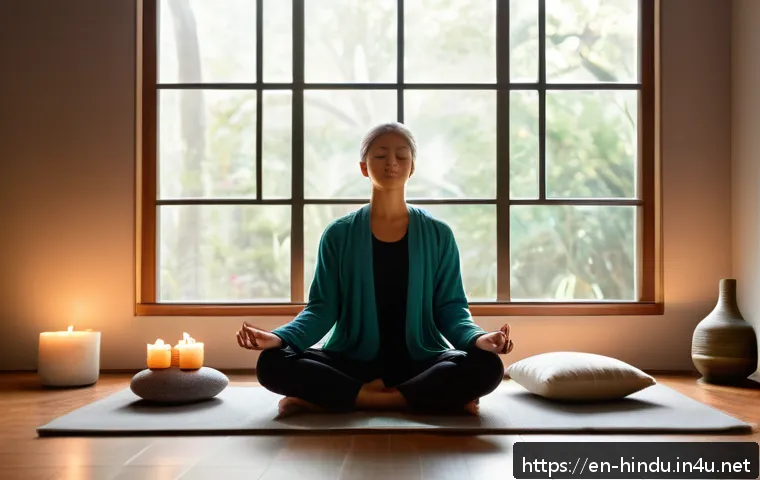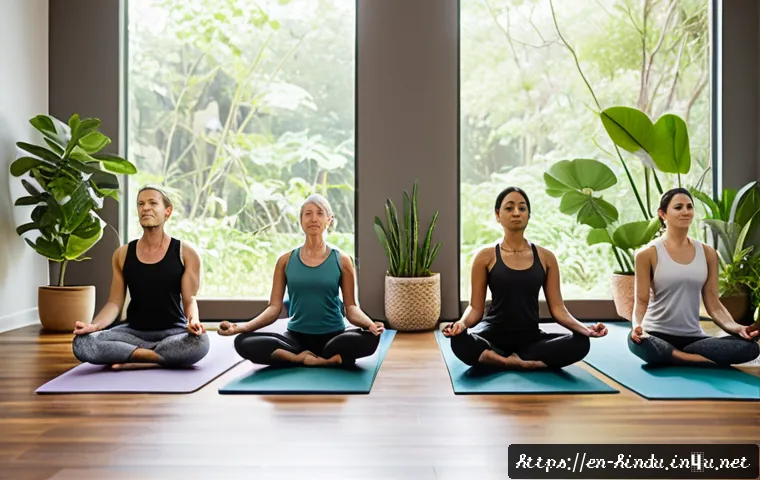
In today’s fast-paced world, finding moments of calm can feel like an elusive quest. With rising stress levels and mental health challenges becoming a global concern, many are turning to ancient wisdom for relief.
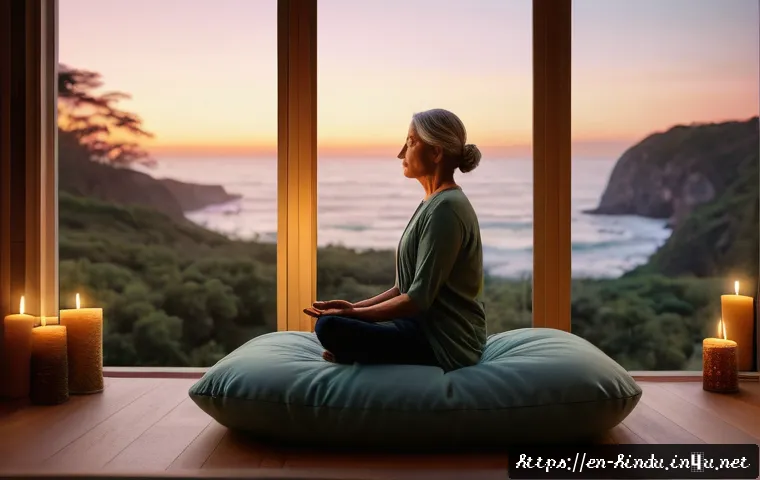
Hindu meditation healing traditions offer profound techniques that go beyond simple relaxation, unlocking deeper layers of inner peace and balance. Drawing from centuries-old practices, these methods provide a holistic approach to mental clarity and emotional well-being.
If you’ve ever wondered how to cultivate lasting tranquility amidst chaos, exploring these traditions might just be the key. Let’s dive into the transformative power of Hindu meditation and how it can reshape your daily life.
Harnessing Breath as a Gateway to Inner Stillness
The Art of Conscious Breathing
Breath is the anchor that grounds us in the present moment, yet most of us take it for granted, letting it flow unconsciously. When I first explored ancient breathing techniques, I was amazed at how simply tuning into my breath could create an immediate sense of calm.
Conscious breathing involves intentionally slowing down and deepening each inhale and exhale, which helps activate the parasympathetic nervous system—the body’s natural relaxation response.
Over time, this practice doesn’t just reduce stress temporarily but rewires your brain to respond more calmly to daily triggers. It’s like installing a reset button that you can tap into anytime life feels overwhelming.
Pranayama Techniques to Balance Energy
Pranayama, the yogic science of breath control, offers diverse methods to refine your life force energy or “prana.” Techniques such as Nadi Shodhana (alternate nostril breathing) help harmonize the left and right hemispheres of the brain, promoting mental clarity and emotional stability.
I remember trying this for just a few minutes before a stressful meeting, and it shifted my mindset from anxious to focused. Other methods like Kapalabhati involve rapid, forceful exhales that energize the mind and detoxify the system.
The key is consistency—daily practice, even if brief, builds resilience against stress and cultivates a steady inner rhythm.
Integrating Breath with Movement
Breath and movement are intertwined in many traditional practices, such as yoga or dynamic meditation forms. Moving with mindful breathing amplifies the healing effects, as the body releases stored tension while the mind stays anchored in awareness.
I found that synchronizing breath with gentle stretches or flowing sequences not only loosened physical stiffness but also calmed the mental chatter that often fuels anxiety.
This holistic engagement—body, breath, and mind—creates a profound sense of balance that lingers long after the session ends.
Awakening the Mind Through Focused Attention
The Power of Mantra Repetition
Mantras, or sacred sounds, have a vibrational quality that can shift your mental state by guiding your attention away from distracting thoughts. When I started chanting a simple mantra daily, it felt like tuning a radio to a clear frequency amidst static.
The repetition slows down the mind’s tendency to wander and opens space for deeper introspection. Scientific studies now support that mantra meditation can lower cortisol levels and improve emotional regulation.
It’s an accessible technique—no special equipment needed—just your voice and a willingness to immerse in sound.
Visualization as a Mental Sanctuary
Visualization techniques involve creating vivid mental images that evoke peace and positivity. I used to struggle with racing thoughts at night until I began imagining a serene forest or a calm ocean scene.
This practice doesn’t just distract from stress but actively rewires neural pathways, reinforcing feelings of safety and joy. When paired with breath awareness or mantra, visualization becomes a powerful tool to anchor yourself in tranquility, especially during moments of acute anxiety or overwhelm.
Developing Mindful Observation
Mindfulness, or nonjudgmental awareness of the present moment, is central to many meditation traditions. Practicing this means observing thoughts and emotions as passing clouds rather than identifying with them.
Early on, it felt challenging not to get caught up in my worries, but with patience, I learned to create distance from mental noise. This shift enhances emotional intelligence and reduces reactive patterns, fostering a steadier, more grounded state of mind throughout daily life.
Embracing Body Awareness to Release Stress
Body Scan Meditation
Body scan meditation invites you to systematically observe sensations throughout your body, promoting relaxation and connection. Personally, this technique helped me identify tension I wasn’t even aware of—like tightness in my shoulders or a clenched jaw.
By directing gentle attention to these areas, I was able to consciously release physical holding patterns linked to stress and trauma. The practice cultivates a compassionate relationship with your body, reminding you it’s a vital ally in emotional healing.
Chakra Energy Centers and Their Role
In Hindu traditions, chakras are energy centers aligned along the spine that influence physical, emotional, and spiritual well-being. Each chakra corresponds to different aspects of life, such as security, creativity, or intuition.
When these centers are balanced through meditation and breathwork, you may experience improved mood and vitality. For example, focusing on the heart chakra can deepen feelings of love and forgiveness, helping to dissolve emotional blockages that contribute to anxiety or sadness.
Movement and Release Techniques
Incorporating movement like gentle yoga poses, shaking, or dance can facilitate the release of stagnant energy trapped in the body. When I allowed myself to move freely while meditating, it felt like unlocking a door to stored emotions and physical tightness.
This embodied approach complements stillness practices by addressing stress on a somatic level, helping you feel more grounded, energized, and alive.
Finding Balance Through Ethical Living and Connection
The Importance of Sattvic Lifestyle Choices
Sattva, one of the three gunas or qualities in Hindu philosophy, represents purity, harmony, and balance. Adopting a sattvic lifestyle—through mindful eating, ethical behavior, and positive relationships—creates a fertile ground for meditation to thrive.
I noticed that when I prioritized whole foods, limited processed items, and surrounded myself with supportive people, my meditation sessions became deeper and more restorative.
This lifestyle nurtures not just the mind but the whole being, making inner peace more sustainable.
Community and Shared Practice
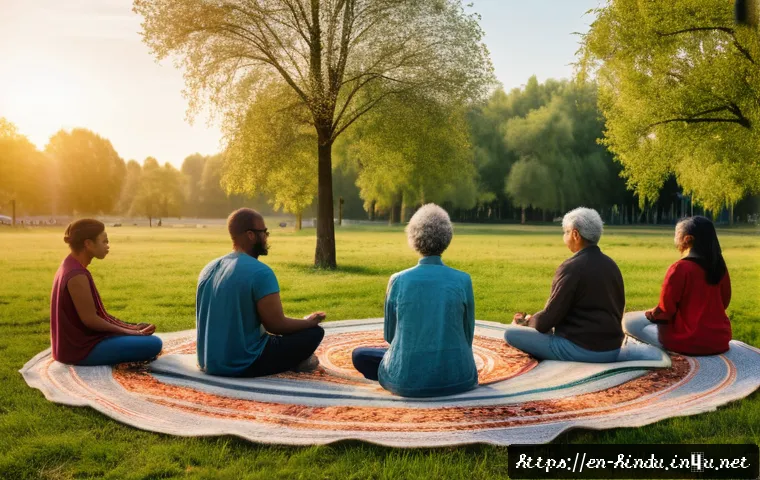
Meditation doesn’t have to be a solitary journey. Joining a community or group can provide motivation, shared wisdom, and a sense of belonging. When I started attending group meditation sessions, the collective energy amplified my own practice and made the experience richer.
Human connection, especially with those who share your intentions, supports emotional resilience and encourages continued growth.
Living with Intention and Compassion
Intentional living means aligning your daily actions with your deeper values, which can reduce inner conflict and stress. Compassion—for yourself and others—is a cornerstone of many spiritual traditions and fosters healing on multiple levels.
I found that when I approached challenges with kindness rather than judgment, it softened my emotional reactions and opened space for clarity and peace.
This mindset shift is a subtle yet powerful way to sustain mental and emotional well-being.
Integrating Meditation Into a Modern Lifestyle
Creating a Consistent Practice Amidst Busy Schedules
Finding time for meditation can feel impossible with a packed calendar, but consistency matters more than duration. Starting with just five minutes a day, even during hectic times, can make a significant difference.
I began setting gentle reminders on my phone and creating a quiet corner at home to encourage daily practice. Over weeks, this small commitment snowballed into a treasured ritual that centers me before and after demanding days.
Using Technology Mindfully to Support Meditation
While technology often contributes to distraction, it can also be a helpful tool for meditation. Apps offering guided sessions, timers, or calming soundscapes provide structure and inspiration, especially for beginners.
I personally used guided meditations to explore different techniques and stay motivated. The key is to use technology as a bridge, not a barrier, to deeper awareness—turning off notifications and setting boundaries around screen time enhance the benefits.
Adapting Practices to Fit Personal Needs
There’s no one-size-fits-all approach to meditation and healing. Experimenting with different methods and tailoring them to your unique preferences and lifestyle is essential.
I tried breathwork, mantra, movement, and silent meditation before finding a blend that resonated most deeply. This flexibility keeps the practice fresh and engaging, preventing burnout and encouraging long-term integration.
Key Elements of Ancient Meditation Practices and Their Benefits
| Practice | Core Technique | Main Benefits |
|---|---|---|
| Conscious Breathing | Slow, deep inhalations and exhalations | Reduces stress, activates relaxation response |
| Pranayama | Controlled breath exercises like alternate nostril breathing | Balances energy, enhances focus and emotional stability |
| Mantra Meditation | Repetition of sacred sounds or phrases | Calms the mind, lowers anxiety, improves emotional regulation |
| Visualization | Creating mental images of peaceful scenes | Shifts mood, reinforces positive neural pathways |
| Body Scan | Systematic attention to bodily sensations | Releases tension, increases body awareness |
| Chakra Focus | Concentration on energy centers | Enhances emotional balance and vitality |
| Sattvic Lifestyle | Mindful diet and ethical living | Supports mental clarity and holistic well-being |
Transforming Stress Responses Through Mind-Body Connection
Understanding the Stress Cycle
Stress triggers a cascade of physiological and psychological reactions designed for short-term survival, but chronic activation wears down the system.
I realized that many of my daily stress responses were automatic and fueled by habitual thinking patterns. By cultivating awareness through meditation, it became easier to interrupt this cycle—pausing before reacting and choosing a calmer response instead.
Rewiring the Nervous System
Meditation and breathwork facilitate neuroplasticity—the brain’s ability to reorganize itself. This means you can train your nervous system to become less reactive and more resilient.
Personally, I noticed that after weeks of regular practice, my threshold for irritability increased, and moments of overwhelm diminished. It felt like the nervous system was learning to “rest and digest” more efficiently, creating a foundation for lasting peace.
Embodying Calm in Daily Life
The ultimate goal isn’t just feeling calm during meditation but carrying that serenity into everyday moments. I began applying brief mindful pauses throughout the day—taking a few deep breaths before responding to emails or during stressful conversations.
These micro-moments of presence accumulated, making it easier to navigate challenges with grace and clarity. This embodied calm became my secret weapon against the chaos of modern life.
Ancient Wisdom for Modern Emotional Wellness
Bridging Tradition and Science
What’s remarkable is how modern neuroscience increasingly validates ancient meditation techniques once viewed as mystical. Research shows consistent meditation improves brain function, emotional regulation, and even immune response.
Drawing from this timeless wisdom provides tools that complement contemporary mental health approaches. For me, this blend of tradition and evidence-based practice makes the healing journey both profound and accessible.
Personal Growth Through Inner Exploration
Meditation invites an inward journey that reveals hidden layers of the self—both light and shadow. This deep self-awareness fosters compassion and acceptance, essential ingredients for emotional healing.
My own practice revealed subconscious fears and patterns I hadn’t acknowledged before, allowing me to work through them rather than be controlled by them.
This inner exploration is challenging but deeply rewarding, nurturing a more authentic and peaceful way of being.
Creating a Sustainable Path to Well-Being
Sustainability in emotional wellness comes from integrating daily practices that honor your whole self—mind, body, and spirit. The ancient techniques I explored offer a blueprint for this integration, emphasizing balance rather than extremes.
By approaching meditation as a lifelong companion rather than a quick fix, you build a resilient foundation that supports mental clarity, emotional balance, and overall vitality throughout life’s ups and downs.
In Conclusion
Breath and meditation offer powerful gateways to inner peace and emotional balance. By embracing these ancient practices, we can cultivate resilience and calm amidst life’s challenges. The journey is deeply personal but universally transformative, inviting us to live with greater awareness and compassion every day.
Useful Information to Keep in Mind
1. Start small with your meditation practice—just a few minutes daily can create lasting benefits.
2. Consistency is more important than duration; regular practice rewires the brain for calmness.
3. Combining breathwork with movement enhances both physical and mental relaxation.
4. Using guided meditation apps can support beginners but set boundaries to avoid distractions.
5. Integrate ethical and mindful lifestyle choices to deepen and sustain your well-being.
Key Takeaways
Understanding the connection between breath, mind, and body is essential for managing stress effectively. Techniques like conscious breathing, mantra repetition, and body awareness foster emotional regulation and mental clarity. Consistent practice not only soothes immediate tension but also builds long-term resilience, helping you navigate life with greater ease and intention.
Frequently Asked Questions (FAQ) 📖
Q: How does Hindu meditation differ from other meditation practices?
A: Hindu meditation is deeply rooted in ancient spiritual traditions that emphasize not just relaxation but a holistic transformation of the mind and spirit.
Unlike some modern techniques focused solely on mindfulness or stress reduction, Hindu meditation often incorporates mantras, breath control (pranayama), and visualization to harmonize the body, mind, and soul.
From my experience, these layered practices create a profound sense of inner balance that lasts beyond the meditation session, helping you navigate daily stress with greater resilience.
Q: Can Hindu meditation healing techniques help with anxiety and mental health challenges?
A: Absolutely. Many people, including myself, have found that Hindu meditation offers more than just temporary calm—it promotes sustained mental clarity and emotional stability.
Techniques like mantra chanting and mindful breathing activate the parasympathetic nervous system, reducing anxiety and fostering a sense of peace. What’s compelling is how these practices encourage self-awareness and emotional regulation, which are crucial tools for managing mental health in today’s hectic world.
Q: How can beginners start practicing Hindu meditation effectively?
A: For beginners, the key is to start simple and be consistent. I recommend beginning with guided sessions that introduce basic elements like mantra repetition or breath awareness.
Setting aside even 10 to 15 minutes daily can make a noticeable difference. It’s important to create a quiet, comfortable space and approach the practice without pressure or expectation.
Over time, as you become more familiar with the techniques, you can explore deeper aspects like visualization or chakra-focused meditation. The gradual journey is what makes the experience authentic and transformative.