Exploring the rich tapestry of Hinduism reveals a faith deeply woven into the daily lives and culture of millions. Its philosophies, rituals, and festivals offer profound insights into spirituality and human connection.
Meanwhile, Nepal stands as a unique crossroads where Hinduism blends seamlessly with Buddhism, creating a vibrant religious mosaic. This fusion shapes not only traditions but also the social fabric of the region.
Understanding these dynamics opens a window into a world where ancient beliefs continue to thrive in modern times. Let’s dive deeper into these fascinating spiritual landscapes and uncover their true essence!
Living Spirituality: Daily Practices and Rituals
The Rhythm of Daily Worship
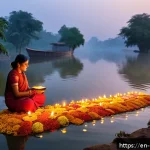
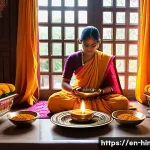
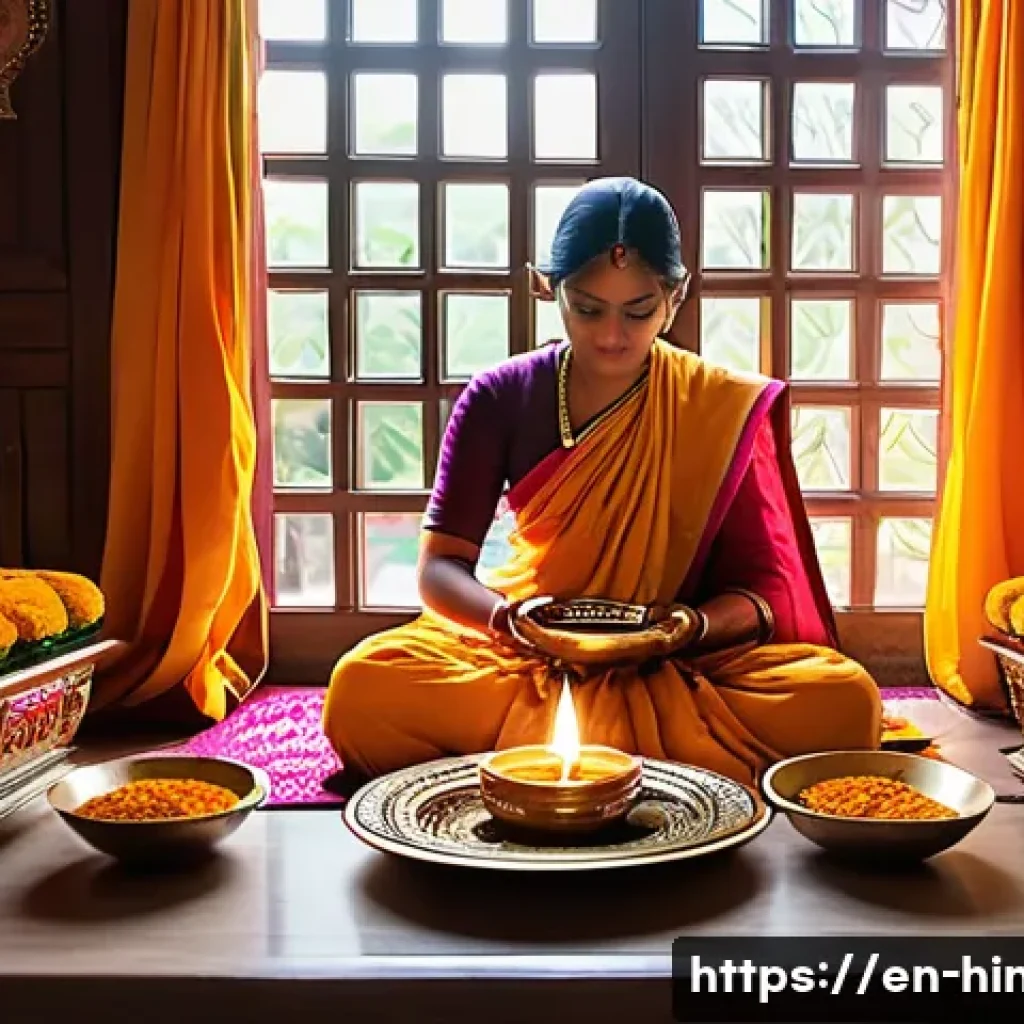
Many Hindus begin their day with a puja, a ritual worship that involves offerings to deities, chanting mantras, and lighting lamps. This practice isn’t just a religious duty; it’s a way to center oneself and invite positivity into the day.
I’ve noticed that in homes across the region, these rituals create a serene atmosphere, setting a calm tone before the day’s hustle begins. The use of sacred items like incense, flowers, and water is deeply symbolic, representing purity, devotion, and life itself.
These acts connect the material world with the divine, making spirituality tangible in everyday life.
Festivals as a Celebration of Life and Faith
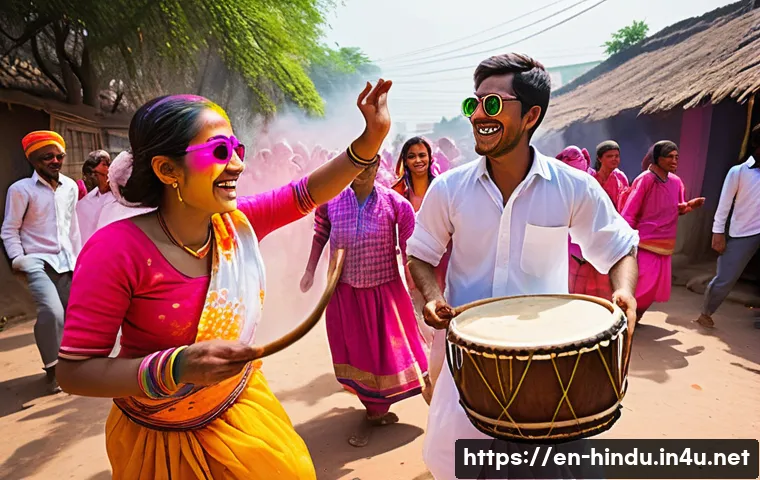
Festivals like Diwali, Holi, and Navratri aren’t just grand spectacles; they are immersive experiences that bring communities together. From my experience attending Holi celebrations, the colors and joyous energy symbolize the triumph of good over evil and the renewal of relationships.
These events serve as powerful reminders of shared cultural values and collective joy. The elaborate preparations—from decorating homes to cooking special meals—reflect a deep-rooted love for tradition.
Beyond the festivities, these occasions offer moments for reflection, gratitude, and spiritual rejuvenation.
Rituals Marking Life’s Milestones
Hindu rituals accompany every major life event, from birth to marriage and death. I’ve observed that these ceremonies blend solemnity with celebration, emphasizing the sacredness of transitions.
For instance, weddings are elaborate affairs filled with symbolic acts designed to unite not just two individuals but entire families and communities.
The rituals often invoke blessings for prosperity, health, and harmony, underscoring a belief in interconnectedness. This approach fosters a profound respect for life’s cycles and encourages mindful living.
Intertwined Faiths: The Harmony of Beliefs in the Region
Shared Sacred Spaces
In many towns and cities, Hindu temples and Buddhist stupas coexist side by side, illustrating a seamless spiritual coexistence. Visiting these places, I’ve felt a unique atmosphere where different traditions honor the same universal values like compassion, mindfulness, and respect for life.
This spatial harmony reflects centuries of peaceful interaction and mutual influence, creating a rich cultural landscape. The architecture itself often blends elements from both faiths, making sacred sites unique landmarks of unity.
Ritual Syncretism and Festivals
Many festivals celebrated here incorporate elements from both Hinduism and Buddhism, creating vibrant and inclusive traditions. For example, certain processions and prayer ceremonies include chants and iconography from both religions.
I’ve attended such events where the crowd’s energy transcended individual beliefs, focusing instead on shared human experiences like gratitude and hope.
This blending not only enriches cultural expression but also strengthens social bonds, fostering a spirit of inclusivity and understanding.
Philosophical Cross-Pollination
The teachings of Hinduism and Buddhism often overlap in their emphasis on karma, dharma, and liberation, though they approach these ideas differently.
Engaging with local scholars and practitioners, I noticed a fluid exchange of philosophical ideas that informs personal and communal spirituality. This dialogue encourages open-mindedness and personal growth, allowing individuals to draw from a broad spectrum of wisdom.
It also reflects a living tradition that adapts and evolves while honoring its roots.
Symbolism and Meaning: Understanding Sacred Imagery
The Power of Iconography
Symbols like the lotus flower, Om, and the trident carry deep meanings that resonate across various practices. For instance, the lotus represents purity emerging from the murky waters of life, a metaphor I’ve often found personally inspiring.
These symbols serve as visual anchors for meditation and contemplation, helping practitioners focus their minds and hearts. In temples and homes alike, the placement and depiction of these icons follow ancient guidelines that enhance their spiritual efficacy.
Colors and Their Spiritual Significance
Colors in Hindu and regional Buddhist traditions are far from decorative; they embody specific energies and moods. Saffron, for example, signifies renunciation and sacredness, while red often symbolizes power and fertility.
From my observations during festivals, the deliberate use of color in clothing, decorations, and offerings creates a vibrant sensory experience that uplifts and connects participants.
Understanding this color language deepens appreciation for the rituals and their intended emotional impact.
Animals as Divine Messengers
Many animals hold symbolic importance, such as cows representing gentleness and abundance, or snakes symbolizing transformation and protection. I recall a temple visit where the presence of a peacock statue evoked stories of beauty and immortality.
These animal symbols remind us of the natural world’s sacredness and its intertwined relationship with human spirituality. They also serve as teaching tools, illustrating virtues and cosmic principles through familiar forms.
Community and Social Structure Through Spiritual Lenses
The Role of Caste and Community
Though caste is a complex and sensitive topic, it remains intertwined with religious and social organization. From conversations I’ve had, it’s clear that while traditional roles persist, there is increasing awareness and efforts toward social equity.
Religious teachings often emphasize dharma, or righteous duty, which can both reinforce and challenge social norms. Understanding this dynamic requires appreciating historical context and recognizing ongoing social changes influenced by education and activism.
Temples as Centers of Social Life
Temples function far beyond places of worship; they are hubs of education, charity, and cultural preservation. I’ve witnessed festivals where temples organize communal meals and cultural performances, fostering a sense of belonging.
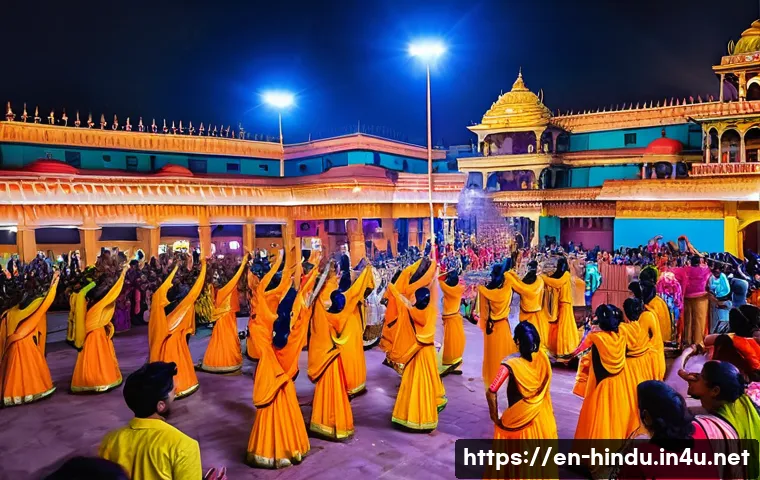
These activities bridge generational gaps and support social cohesion. The temple’s role as a community center highlights how spirituality is woven into daily social interactions, reinforcing shared identities and values.
Gender Roles and Spiritual Participation
Women’s roles in religious practices vary widely, with some traditions emphasizing their central participation while others maintain patriarchal structures.
Through personal encounters, I’ve seen women leading rituals, teaching scriptures, and managing temple affairs, challenging stereotypes. This evolving participation reflects broader societal shifts and a reclaiming of spiritual agency.
Such changes enrich the religious landscape by diversifying perspectives and practices.
Ritual Objects and Their Practical Uses
Sacred Tools and Their Meanings
Objects like bells, conch shells, and prayer beads are integral to rituals, each with symbolic and practical functions. For example, ringing a bell is believed to invite divine presence and dispel negative energies.
I found that using these tools enhances the sensory dimension of worship, engaging sight, sound, and touch to deepen focus. Their craftsmanship also reflects artistic traditions, making them valued cultural artifacts.
Offerings and Their Significance
Offerings such as fruits, sweets, and flowers are not merely gifts but expressions of devotion and gratitude. I’ve participated in ceremonies where the act of offering becomes a meditative practice, fostering humility and connection.
The selection of items often follows specific guidelines, with certain foods or colors preferred for particular deities or occasions. This careful attention imbues the ritual with layered meanings beyond the material.
Clothing and Adornments in Ritual Contexts
Traditional attire worn during ceremonies often carries symbolic weight, from colors to fabrics. Wearing white for mourning or bright colors for celebrations signals respect for the occasion’s spiritual tone.
I noticed that dressing appropriately is seen as an act of reverence, aligning the body’s presentation with inner intentions. Jewelry and sacred threads further denote spiritual status or vows, reinforcing communal recognition of individual paths.
Mapping the Spiritual Landscape: Festivals and Their Calendars
Seasonal Festivals and Their Agricultural Roots
Many festivals correspond with planting or harvest seasons, linking spiritual gratitude with the earth’s cycles. For instance, Makar Sankranti marks the sun’s transition and is celebrated with kite flying and feasts.
Experiencing these festivals reveals a profound respect for nature’s rhythms, highlighting a worldview where human life is inseparable from the environment.
This connection fosters sustainability and reverence for natural resources.
Major Pilgrimage Events
Pilgrimages to sacred sites like Pashupatinath or Lumbini draw thousands, creating intense spiritual energy. I joined one such journey and was struck by the diversity of pilgrims united by a common goal of purification and renewal.
These events offer opportunities for personal transformation and collective devotion. The physical challenge of travel also symbolizes inner striving, making the pilgrimage a potent spiritual metaphor.
Calendar Systems and Their Spiritual Significance
The Hindu lunar calendar and local adaptations govern the timing of rituals and festivals, ensuring alignment with cosmic cycles. Understanding this calendar requires learning about tithis (lunar days) and nakshatras (stars), which influence auspicious timings.
I found that locals deeply respect these timings, believing they enhance the efficacy of prayers and ceremonies. This celestial synchronization reflects a worldview that honors the cosmos as a living, guiding force.
| Festival | Timing | Primary Significance | Common Practices |
|---|---|---|---|
| Diwali | October-November (lunar calendar) | Victory of light over darkness | Lighting lamps, fireworks, family feasts |
| Holi | March (full moon day) | Celebration of spring and love | Throwing colors, singing, dancing |
| Navratri | September-October | Worship of the goddess Durga | Fasting, prayers, traditional dances |
| Makar Sankranti | January 14th (solar calendar) | Sun’s transition and harvest festival | Kite flying, feasts, bathing in rivers |
| Dashain (Nepal) | September-October | Victory of good over evil | Animal sacrifices, family gatherings |
Conclusion
Living spirituality through daily practices and rituals offers a profound way to connect with oneself and the divine. These traditions not only enrich personal faith but also strengthen community bonds and cultural identity. Experiencing these rituals reveals a timeless rhythm that balances life’s challenges with moments of peace and reflection. Embracing such practices invites a deeper sense of purpose and harmony in everyday living.
Useful Information to Keep in Mind
1. Daily worship rituals like puja serve as grounding practices that promote mindfulness and positivity throughout the day.
2. Festivals act as communal celebrations that foster unity, cultural preservation, and spiritual renewal.
3. Rituals tied to life’s milestones emphasize the sacred nature of transitions and encourage mindful participation.
4. Shared sacred spaces and syncretic festivals highlight the harmony and mutual respect between different spiritual traditions.
5. Understanding the symbolism in colors, animals, and ritual objects deepens appreciation for the spiritual meanings behind everyday practices.
Key Takeaways
Spirituality is woven seamlessly into daily life through meaningful rituals and community events that nurture both individual growth and social cohesion. Recognizing the interconnectedness of faith, culture, and tradition helps us appreciate the richness and adaptability of these practices. Embracing this holistic approach encourages respect for diversity, personal reflection, and a balanced way of living rooted in timeless wisdom.
Frequently Asked Questions (FAQ) 📖
Q: How does Hinduism influence the daily lives of its followers?
A: Hinduism is much more than a religion; it’s a way of life for millions. Its influence can be seen in everyday practices such as prayer, meditation, dietary choices, and social customs.
For example, many Hindus begin their day with a puja (prayer ritual) at home, seeking blessings and grounding themselves spiritually. Festivals like Diwali and Holi aren’t just celebrations but moments that reinforce family bonds and cultural identity.
The philosophy of karma and dharma often guides personal decisions, encouraging ethical living and responsibility. From the way people dress to their approach to community life, Hinduism deeply shapes daily routines and mindsets.
Q: What makes Nepal a unique place for the coexistence of Hinduism and Buddhism?
A: Nepal stands out as a remarkable example of religious harmony where Hinduism and Buddhism intertwine naturally. This fusion is evident in shared temples, festivals, and rituals, reflecting centuries of mutual influence.
For instance, many Nepalese people celebrate both Hindu and Buddhist holidays, and deities from both traditions are worshipped side by side. The Kathmandu Valley is dotted with stupas and Hindu shrines, illustrating this blend.
Socially, this coexistence fosters a strong sense of community and tolerance, where religious identity is fluid rather than exclusive. Experiencing Nepal’s spiritual landscape offers a glimpse into how ancient traditions can coexist and enrich one another in a modern society.
Q: How do Hindu philosophies contribute to understanding human connection and spirituality?
A: Hindu philosophies offer profound perspectives on spirituality and human relationships that resonate beyond religious boundaries. Concepts like Atman (the inner self) and Brahman (universal consciousness) encourage individuals to see beyond superficial differences and recognize the shared essence in all beings.
The idea of interconnectedness is central, suggesting that every action affects the whole. Practices such as yoga and meditation, rooted in Hindu thought, promote inner peace and self-awareness, helping people connect with themselves and others more deeply.
From my own experience, embracing these philosophies has brought a greater sense of compassion and mindfulness into daily interactions, highlighting spirituality as a lived, relational experience rather than abstract belief.