Hinduism has deeply influenced India’s cultural and political landscape, especially during the country’s struggle for independence. The intersection of religion and nationalism created a unique dynamic that shaped leaders and movements alike.
From spiritual philosophies inspiring nonviolent resistance to religious festivals becoming platforms for political expression, the role of Hinduism was far from peripheral.
Understanding this connection offers rich insights into how faith and freedom intertwined in India’s history. Let’s dive in and explore the fascinating links between Hinduism and the Indian independence movement in detail!
The Spiritual Foundations of Resistance
Nonviolence as a Divine Principle
One of the most compelling ways Hinduism influenced India’s independence movement was through the concept of ahimsa, or nonviolence. Rooted deeply in Hindu philosophy, ahimsa became more than a moral guideline; it evolved into a powerful political tool.
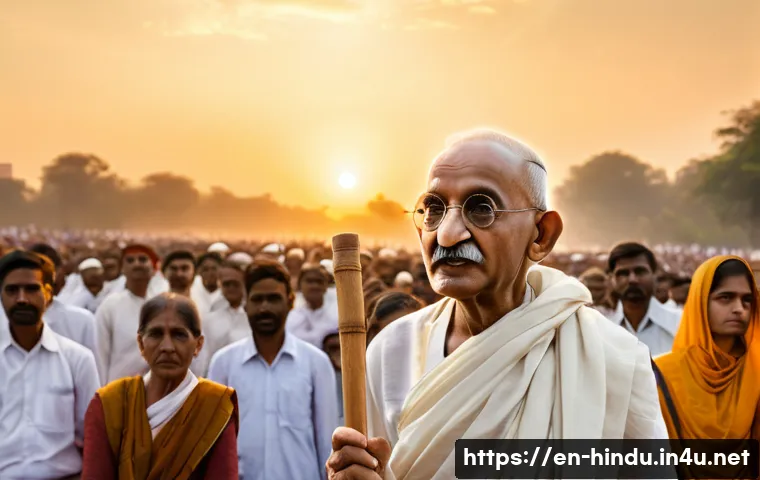
Leaders like Mahatma Gandhi drew directly from this principle, not just preaching it but living it, even under extreme pressure. I remember reading how Gandhi’s commitment to nonviolence wasn’t a mere strategy but a spiritual vow that shaped his entire approach to resistance.
This fusion of faith and activism gave the movement a unique strength, allowing it to appeal to the moral conscience of both Indians and the British alike.
Yoga and Meditation in Political Mobilization
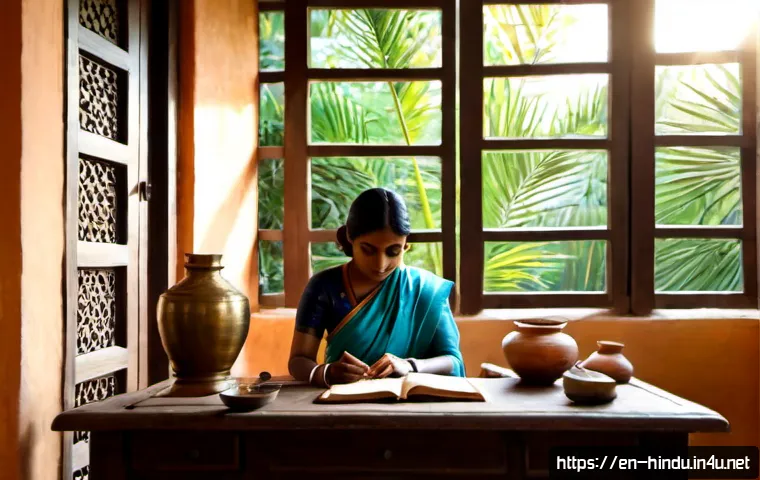
Beyond nonviolence, Hindu practices such as yoga and meditation played subtle yet significant roles. These disciplines helped leaders and activists maintain mental clarity, focus, and emotional balance amidst turbulent times.
I’ve often found that the ability to stay centered during chaos is critical, and many freedom fighters turned to these spiritual tools for resilience.
The mental discipline cultivated through these practices empowered individuals to endure long imprisonments and harsh conditions without losing their resolve.
This spiritual stamina was crucial in sustaining the prolonged struggle against colonial rule.
Scriptural Inspiration for Unity
Hindu scriptures like the Bhagavad Gita provided ideological fuel for many freedom fighters. The Gita’s teachings on duty, righteousness, and detachment from the fruits of action resonated deeply with activists who saw themselves as warriors in a just cause.
I’ve noticed how quoting these texts in speeches and writings helped forge a collective identity and inspired countless people to take part in the independence movement.
The scripture’s emphasis on selfless action gave the struggle a spiritual dimension that transcended mere political rebellion.
Religious Festivals as Catalysts for Political Expression
Gatherings Turning into Mass Movements
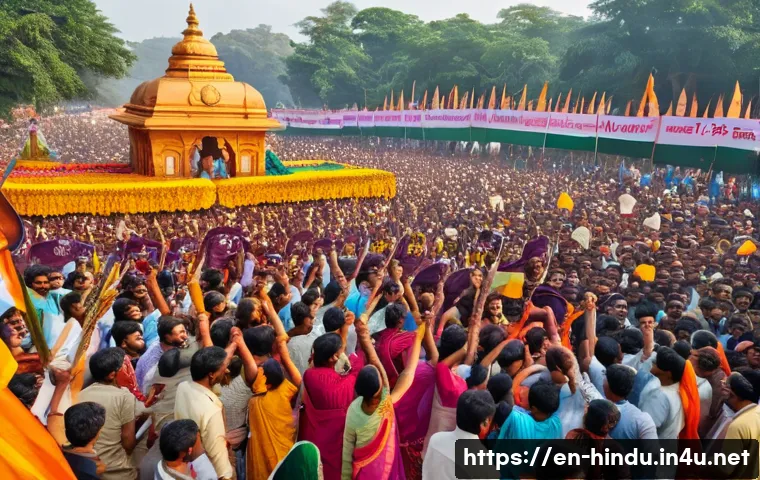
Hindu festivals, traditionally times of celebration and devotion, became unexpected venues for political mobilization. Large gatherings during festivals like Diwali and Holi offered leaders opportunities to reach vast audiences with nationalist messages.
From what I’ve seen in historical accounts, these festivals created a sense of communal solidarity that was ripe for political awakening. The joyous atmosphere allowed people to come together beyond caste and class divisions, strengthening the sense of national unity.
Symbolism and Patriotism in Rituals
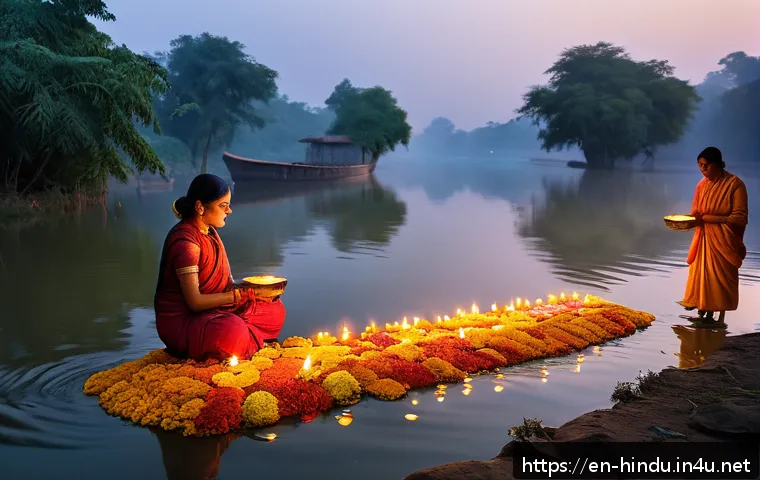
The use of religious symbolism during festivals also carried potent political messages. For instance, lighting lamps during Diwali was sometimes portrayed as a metaphor for illuminating India’s path to freedom.
I recall how freedom fighters incorporated patriotic slogans into religious songs and prayers, blending spirituality with nationalism. This melding of ritual and rebellion made the political cause feel sacred, encouraging participation from even those who might otherwise have stayed politically neutral.
Women’s Roles in Festival-Based Activism
Interestingly, festivals also became platforms for women’s involvement in the independence movement. Women, often the custodians of religious traditions, leveraged these occasions to organize and lead protests, boycotts, and charitable activities.
I find it remarkable how their spiritual authority translated into political influence, challenging traditional gender roles. Their participation during festivals helped expand the movement’s reach and demonstrated that the struggle for freedom was a collective effort across all segments of society.
Influence of Hindu Nationalism on Political Ideologies
The Rise of Cultural Nationalism
Hinduism’s role wasn’t limited to spiritual inspiration; it also shaped emerging political ideologies centered on cultural nationalism. Leaders and thinkers began emphasizing India’s Hindu heritage as a source of pride and identity, which sometimes sparked debates about inclusivity.
From my perspective, this cultural nationalism was a double-edged sword—it unified many but also laid the groundwork for future communal tensions. Understanding this complex legacy is essential to grasping the full impact of Hindu thought on India’s political landscape.
Key Organizations and Their Religious Foundations
Several influential organizations during the independence era explicitly tied their political agendas to Hindu identity. Groups like the Hindu Mahasabha promoted the idea that India’s future should be shaped primarily by Hindu values and interests.
I’ve studied how these organizations contrasted with more secular nationalist groups, reflecting the diversity of thought within the movement. Their existence highlights how religion and politics were intertwined but also sometimes in tension during the struggle for freedom.
Debates on Secularism and Religious Identity
The prominence of Hindu nationalism sparked critical debates about India’s secular character post-independence. Many leaders wrestled with balancing religious identity and pluralism in a diverse country.
I’ve seen how these discussions influenced constitutional design and political discourse, underscoring the lasting impact of Hindu thought on governance.
The tension between maintaining religious heritage and ensuring equal rights for all communities remains a defining challenge even today.
Prominent Leaders and Their Spiritual Inspirations
Mahatma Gandhi’s Personal Faith Journey
Gandhi’s personal spirituality was a cornerstone of his leadership. He didn’t just borrow Hindu ideas superficially; he immersed himself in scriptures, rituals, and philosophies that shaped his worldview.
I’ve read how his experiments with truth and self-discipline were deeply tied to his religious beliefs. His ability to communicate complex spiritual ideals in simple, relatable terms made him accessible to millions, turning faith into a mass movement for independence.
Other Influential Figures and Their Religious Motivations
Besides Gandhi, leaders like Bal Gangadhar Tilak and Vinayak Damodar Savarkar also drew from Hindu traditions, though with differing interpretations. Tilak, for example, used religious festivals to stir nationalist sentiment, while Savarkar emphasized Hindu identity in political activism.
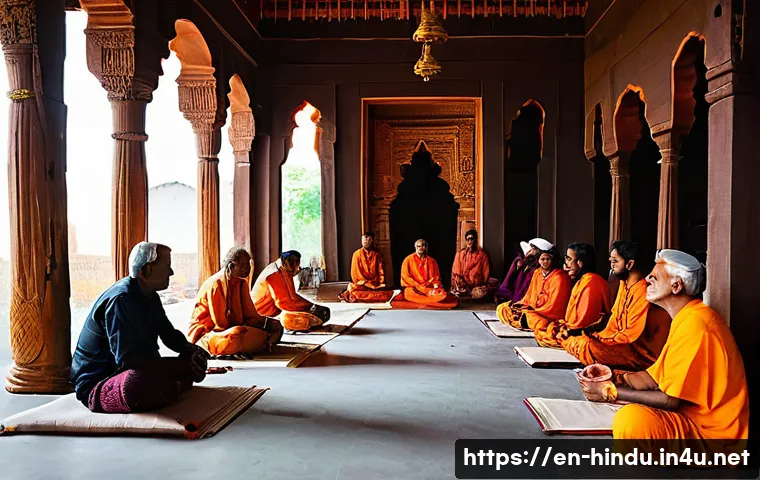
I find it fascinating how these contrasting approaches highlight the multifaceted role of Hinduism in the freedom struggle. Their diverse perspectives enriched the movement’s ideological landscape.
Grassroots Leaders Inspired by Faith
At the grassroots level, countless local leaders harnessed Hindu beliefs to mobilize their communities. Their intimate knowledge of regional customs and religious practices helped tailor the independence message in ways that resonated deeply with ordinary people.
I’ve come across stories of village elders organizing satyagraha (nonviolent protests) inspired by their spiritual convictions. These examples show that Hinduism’s influence permeated every level of the movement, from top-tier leaders to local activists.
The Role of Hindu Scriptures in Shaping Political Thought
Bhagavad Gita’s Teachings on Duty and Action
The Bhagavad Gita’s message about fulfilling one’s duty without attachment to results became a philosophical foundation for many activists. I recall how this concept helped them stay motivated despite setbacks, framing the struggle as a righteous path rather than a quest for personal gain.
This perspective fostered a sense of purpose that transcended immediate political goals, making the independence movement a spiritual journey as well.
Ramayana and Mahabharata as Sources of Moral Lessons
These epic narratives provided rich allegories for courage, sacrifice, and justice. Freedom fighters often referenced stories from Ramayana and Mahabharata to draw parallels between ancient heroes and contemporary struggles.
I find it compelling how these tales helped create a shared cultural memory, inspiring collective action and reinforcing moral resolve. Their use in political rhetoric helped bridge the gap between tradition and modernity.
Adapting Religious Texts for Modern Political Contexts
Interpreting ancient scriptures to suit contemporary needs was a delicate task. Leaders had to balance respect for tradition with the urgency of political change.
I’ve noticed how some activists emphasized progressive aspects of Hinduism, like social justice and equality, to argue for inclusive nationalism. This adaptive use of scripture made the independence movement dynamic and relevant to a wide audience.
Religious Symbols and Their Political Significance
The Power of the Saffron Flag
The saffron flag, traditionally a symbol of Hindu spirituality, gained political prominence as a banner of resistance and unity. I’ve seen how its display during protests and rallies visually communicated a shared identity and commitment to freedom.
The flag’s symbolism went beyond religion, representing courage, sacrifice, and the aspiration for a sovereign nation.
Use of Temples and Sacred Spaces
Temples often served as meeting points for political discussions and planning sessions. Their sanctity added a layer of moral authority to the movement.
I find it remarkable how these sacred spaces became hubs of activism, blending devotion with defiance. This overlap strengthened the resolve of participants and legitimized the political cause in the eyes of many.
Religious Music and Chants as Motivational Tools
Songs and chants rooted in Hindu tradition energized crowds and created a sense of unity. I’ve experienced how rhythmic chants can boost morale and foster collective identity, and during the independence movement, these elements were crucial.
The fusion of spiritual music with patriotic lyrics made the movement emotionally compelling and accessible to diverse populations.
Comparative Overview of Hinduism’s Impact on Key Independence Movements
| Movement | Religious Influence | Key Figures | Notable Religious Practices Used | Political Outcome |
|---|---|---|---|---|
| Nonviolent Resistance (Satyagraha) | Ahimsa, Bhagavad Gita teachings | Mahatma Gandhi | Prayer meetings, fasting, meditation | Mobilized mass civil disobedience, international support |
| Swadeshi Movement | Use of Hindu festivals for mobilization | Bal Gangadhar Tilak | Ganesh Chaturthi celebrations as public gatherings | Increased local industry promotion, boycotts of British goods |
| Hindu Nationalism | Cultural pride in Hindu heritage | Vinayak Damodar Savarkar | Promotion of Hindu symbols and identity | Strengthened Hindu political identity, influenced future parties |
| Grassroots Movements | Local religious customs and rituals | Village elders and local priests | Temple meetings, religious processions | Expanded reach of independence ideology to rural areas |
In Conclusion
The spiritual roots of the independence movement deeply influenced its character and success. Hinduism’s teachings, rituals, and symbols provided strength, unity, and purpose to countless activists. This blend of faith and politics created a resilient and morally compelling struggle that resonated widely. Understanding these foundations helps us appreciate the unique power of spirituality in shaping social change.
Useful Information to Remember
1. Nonviolence (ahimsa) was not just a tactic but a spiritual commitment that guided leaders like Gandhi throughout the independence struggle.
2. Practices such as yoga and meditation helped activists maintain mental and emotional resilience in the face of adversity.
3. Hindu festivals served as effective platforms for political mobilization, bringing together diverse groups in a shared cause.
4. Religious symbols like the saffron flag and sacred spaces like temples added moral authority and unity to political actions.
5. The diversity within Hindu-inspired political ideologies highlights the complexity of religion’s role in shaping India’s freedom movement.
Key Takeaways
The independence movement was deeply intertwined with Hindu spiritual principles, which provided both inspiration and practical tools for resistance. Nonviolence, scriptural teachings, and religious symbolism fostered a sense of shared identity and purpose. At the same time, the influence of Hindu nationalism introduced debates about inclusivity and secularism that continue to impact political discourse today. Ultimately, faith played a vital role in mobilizing people across social and regional lines, making spirituality an essential pillar of the freedom struggle.
Frequently Asked Questions (FAQ) 📖
Q: How did Hinduism influence the philosophy behind India’s nonviolent independence movement?
A: Hinduism played a central role in shaping the philosophy of nonviolent resistance, particularly through the concept of ahimsa, or non-harm, which is deeply rooted in Hindu teachings.
Leaders like Mahatma Gandhi drew inspiration from these spiritual principles, emphasizing compassion and peaceful protest as powerful tools against colonial oppression.
This approach not only united diverse groups but also gave the independence movement a moral and ethical foundation that resonated widely across India.
Q: In what ways did Hindu festivals contribute to political expression during the independence struggle?
A: Hindu festivals, traditionally religious and cultural celebrations, became vibrant platforms for political mobilization and expression. Events like Diwali and Durga Puja were often used to gather large crowds, where leaders could spread nationalist messages and foster a shared sense of identity and purpose.
These festivals helped bridge the gap between religion and politics, turning spiritual gatherings into opportunities to inspire patriotism and collective action against colonial rule.
Q: Were all leaders of the Indian independence movement influenced by Hinduism, or did the movement include diverse religious perspectives?
A: While Hinduism had a significant influence, the Indian independence movement was notably inclusive of various religious communities, including Muslims, Sikhs, Christians, and others.
Leaders like Jawaharlal Nehru and Maulana Abul Kalam Azad emphasized secular nationalism, promoting unity beyond religious lines. However, Hinduism’s cultural and spiritual impact was undeniable, especially in shaping the ethos of many key figures and grassroots activists, blending faith with the fight for freedom in unique and compelling ways.