
In today’s world, where environmental concerns are more urgent than ever, exploring ancient traditions that honor nature feels incredibly relevant. Hinduism, with its deep-rooted reverence for the Earth and all living beings, offers timeless wisdom on living in harmony with the natural world.

From sacred rivers to towering trees, the spiritual connection between devotees and nature is both profound and inspiring. As we navigate modern challenges, understanding these rituals and beliefs can shed light on sustainable ways to protect our planet.
Join me as we dive into the sacred bond between Hinduism and nature worship, uncovering traditions that celebrate Earth’s divine spirit. This journey not only enriches our cultural appreciation but also encourages mindful stewardship of the environment.
The Living Spirit in Rivers and Waterways
Rivers as Sacred Lifelines
In many Hindu traditions, rivers are far more than just bodies of water; they embody the very essence of life and purity. The Ganges, for example, is worshiped as a goddess, believed to cleanse sins and bring spiritual renewal.
This deep veneration means that rivers are treated with immense respect, with rituals often performed on their banks to honor their life-giving force.
What’s striking is how this reverence encourages communities to protect these waterways, understanding that the health of the river directly affects human and ecological wellbeing.
From personal experiences visiting these sacred sites, the atmosphere feels charged with a profound sense of connection and gratitude toward water’s sustaining power.
Water Rituals That Reflect Harmony
Water-based rituals such as ablutions, offerings, and ceremonial baths are central in Hindu worship, symbolizing purification and renewal. These practices highlight a relationship with nature that is both intimate and reciprocal.
For instance, when devotees immerse flowers or light lamps on river surfaces, it’s not just a symbolic gesture but a way of acknowledging the river’s spiritual presence.
Observing these rituals firsthand reveals how they cultivate mindfulness about natural resources and inspire a sense of responsibility to maintain the purity of water bodies.
It’s a beautiful example of spirituality fostering environmental consciousness.
Modern Reflections on Ancient Water Traditions
In today’s context, where water pollution and scarcity are urgent issues, these ancient practices offer valuable lessons. Embracing the sanctity of rivers as taught in Hinduism could promote stronger conservation efforts and community stewardship.
Local initiatives inspired by these traditions have started to emerge, showing how ancient wisdom can blend with modern environmental science. Personally, seeing how these age-old beliefs motivate action in contemporary settings makes me hopeful that spiritual perspectives can be powerful drivers for ecological sustainability.
Guardianship Through the Sacred Trees
Trees as Divine Abodes
Trees hold a special place in Hindu culture, often considered the abode of gods, spirits, or ancestors. The Banyan, Peepal, and Neem trees are among those revered for their spiritual and medicinal properties.
People regularly perform pujas (prayers) beneath these trees, acknowledging their role in sustaining life and offering shelter. This respect for trees goes beyond ritual; it translates into a cultural ethos that values preservation and growth of green spaces.
In my travels, I’ve noticed how villages and temples often maintain these trees as living monuments, fostering biodiversity and community wellbeing.
Environmental Impact of Tree Worship
The reverence for trees in Hinduism naturally encourages forest conservation and urban greenery. This mindset has contributed to protecting sacred groves—patches of forest maintained for religious reasons—which serve as vital reservoirs for native flora and fauna.
The connection between spirituality and ecology is tangible here, as these groves not only preserve biodiversity but also support local climate regulation and soil health.
Experiencing these sacred groves firsthand, it’s clear how intertwined faith and environmental stewardship are, promoting sustainability through tradition.
Incorporating Tree Reverence in Daily Life
Many devotees integrate tree worship into their daily routines by planting trees during auspicious occasions or nurturing existing ones. This practice instills a sense of personal responsibility toward nature, encouraging mindful interaction with the environment.
From a practical perspective, such customs can inspire urban dwellers to adopt greener habits, like planting trees in community spaces or supporting reforestation projects.
Reflecting on this, I find it inspiring how simple acts rooted in faith can ripple out to broader ecological benefits.
Cosmic Cycles and Earth’s Rhythms
Aligning Human Life with Nature’s Flow
Hindu festivals and rituals often follow lunar and solar cycles, celebrating seasonal changes that reflect Earth’s natural rhythms. This alignment fosters awareness of ecological patterns and encourages living in harmony with nature’s timing.
For example, harvest festivals honor the Earth’s bounty and promote gratitude for natural cycles. Participating in these celebrations reveals a deep-seated understanding of interconnectedness, reminding us that human wellbeing depends on respecting environmental balance.
Rituals Marking Seasonal Transitions
Seasonal rites such as Makar Sankranti, Diwali, and Navaratri are imbued with symbolism that honors Earth’s changing phases. These festivals often include offerings to deities representing natural elements and acts of charity that reinforce social and environmental harmony.
Observing these events in various communities, I’ve noticed how they galvanize collective mindfulness about ecological stewardship, weaving spiritual practice with practical care for the land.
Applying Cosmic Awareness Today
This ancient attunement to cosmic and environmental cycles offers insights for modern sustainable living. By syncing activities like agriculture, consumption, and rest with natural rhythms, we can reduce ecological strain and enhance wellbeing.
Personally, adopting a seasonal approach to diet and lifestyle—mirroring these time-honored practices—has made me more conscious of my impact on the environment and more connected to the world around me.
Animals as Sacred Companions
Symbolism and Respect for Fauna
Animals in Hinduism are often seen as divine messengers or incarnations of gods, inspiring compassion and respect. The cow, elephant, snake, and monkey hold prominent places in myths and rituals, symbolizing purity, strength, wisdom, and protection.
This reverence naturally discourages harm to animals and promotes coexistence. Witnessing temple festivals where animals are honored, I felt a genuine sense of kinship between humans and creatures, rooted in spiritual belief and ethical care.
Wildlife Conservation Through Faith
The spiritual status of animals has historically contributed to wildlife protection in many regions. Sacred groves and temple lands often serve as safe havens for various species, preserved because of religious taboos against hunting or deforestation.
This traditional conservation method complements modern efforts and highlights how cultural values can safeguard biodiversity. In areas I’ve visited, community-led protection of sacred species demonstrates the power of faith-inspired environmentalism.
Practical Lessons from Animal Reverence
Respecting animals as sacred beings encourages ethical treatment and habitat preservation. This attitude can influence everyday choices, from vegetarianism to supporting animal welfare initiatives.
Reflecting on this, I see how integrating spiritual respect for animals into broader environmental ethics can deepen our commitment to protecting all life forms on Earth.
Eco-Friendly Rituals and Sustainable Offerings
Using Natural Materials in Worship
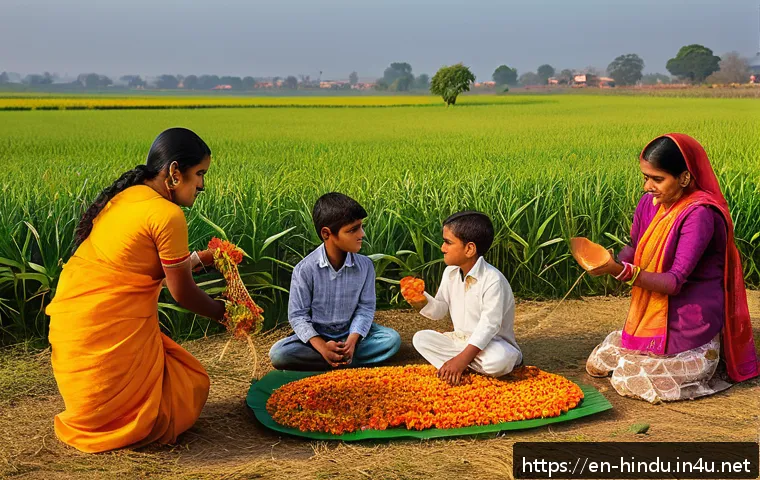
Traditional Hindu rituals often utilize flowers, fruits, leaves, and natural dyes, emphasizing renewable resources and minimizing waste. This practice contrasts sharply with modern consumption patterns that favor disposable or synthetic materials.
I’ve personally observed how communities prioritize biodegradable offerings, which decompose harmlessly and nourish the soil, reflecting an intrinsic eco-consciousness embedded in spiritual life.
Reducing Environmental Impact of Festivals
Many Hindu festivals involve large gatherings and elaborate ceremonies, which can strain local ecosystems. However, there’s a growing movement toward greener celebrations that respect nature’s limits.
Examples include using reusable decorations, limiting plastic use, and promoting clean-up drives post-event. From my experience attending such eco-friendly festivals, the collective effort creates a joyful atmosphere while fostering environmental responsibility.
Encouraging Sustainable Practices in Devotion
By adopting eco-friendly rituals, devotees demonstrate that spirituality and environmentalism are not mutually exclusive but deeply connected. This shift not only preserves cultural heritage but also models sustainable living for future generations.
Seeing these changes firsthand, it’s inspiring how tradition adapts to contemporary ecological challenges without losing its essence.
Community Stewardship Rooted in Tradition
Collective Responsibility for the Environment
In many Hindu communities, environmental care is a shared duty reinforced by religious teachings and social norms. Village councils and temple committees often organize tree planting, water conservation, and waste management initiatives, integrating faith with action.
This collective approach builds social cohesion and amplifies impact. Participating in such community efforts, I felt a strong sense of purpose and belonging tied to protecting the local environment.
Education Through Storytelling and Rituals
Traditional stories and rituals serve as powerful educational tools, passing down ecological wisdom across generations. Tales of gods and nature spirits teach respect for animals, plants, and natural elements, embedding environmental ethics in cultural identity.
Observing how children learn these lessons during festivals and temple activities, I realized how storytelling can inspire lifelong stewardship rooted in heritage.
Building Sustainable Futures with Ancient Wisdom
Harnessing the environmental insights from Hindu traditions offers practical pathways for sustainable development. By blending spiritual values with modern science, communities create resilient models of living that honor both culture and nature.
From what I’ve witnessed, this synergy fosters hope and innovation in addressing today’s ecological crises.
| Aspect | Traditional Practice | Environmental Benefit |
|---|---|---|
| Sacred Rivers | Ritual bathing, offerings, and river worship | Promotes water conservation and pollution awareness |
| Tree Reverence | Worship of Banyan, Peepal, Neem trees; sacred groves | Protects biodiversity and supports urban greenery |
| Seasonal Festivals | Harvest celebrations, lunar calendar rituals | Encourages alignment with ecological cycles |
| Animal Respect | Veneration of cows, elephants, snakes, monkeys | Supports wildlife protection and ethical treatment |
| Eco-Friendly Rituals | Use of natural offerings and biodegradable materials | Reduces waste and environmental footprint |
| Community Stewardship | Collective environmental initiatives and education | Enhances social cohesion and sustainable living |
In Closing
Exploring the sacred connections between Hindu traditions and nature reveals a profound respect for the environment that is deeply woven into daily life and spirituality. These age-old practices inspire a harmonious relationship with rivers, trees, animals, and the seasons, encouraging sustainable living. Embracing such wisdom today offers valuable guidance for addressing modern ecological challenges with mindfulness and care.
Useful Information to Remember
1. Rivers are honored not only as physical water sources but as spiritual lifelines, fostering community-led water conservation efforts.
2. Tree worship in Hindu culture supports biodiversity and encourages urban green spaces through sacred groves and ritual care.
3. Seasonal festivals align human activities with natural cycles, promoting gratitude and ecological balance.
4. Animals are revered as sacred beings, which helps protect wildlife and encourages ethical coexistence.
5. Eco-friendly rituals using natural and biodegradable materials reduce environmental impact while preserving cultural traditions.
Key Takeaways
Understanding the intimate bond between spirituality and nature in Hindu practices highlights the importance of community stewardship and sustainable habits. These traditions demonstrate that honoring the Earth and its resources is not only a religious duty but a practical approach to environmental preservation. Integrating this ancient wisdom with modern science can lead to resilient and mindful living, benefiting both people and the planet.
Frequently Asked Questions (FAQ) 📖
Q: How does Hinduism view the relationship between humans and nature?
A: Hinduism deeply regards nature as a sacred, living entity intertwined with human existence. It teaches that all elements of the natural world—rivers, trees, mountains—are manifestations of divine energy.
This belief fosters a sense of respect and responsibility, encouraging followers to live harmoniously with the environment rather than exploiting it. The idea is that harming nature ultimately harms ourselves, so protecting the Earth is both a spiritual duty and a practical necessity.
Q: What are some examples of nature worship practices in Hinduism?
A: Many Hindu rituals celebrate natural elements as embodiments of the divine. For example, rivers like the Ganges are revered as goddesses and are central to purification ceremonies.
Trees such as the Peepal and Banyan are often worshipped, with devotees offering prayers and tying sacred threads around them for blessings. Festivals like Makar Sankranti and Pongal honor the sun and harvest, highlighting gratitude towards nature’s cycles.
These practices reflect a deep connection that goes beyond symbolism to active reverence and care.
Q: Can Hindu traditions offer insights into modern environmental sustainability?
A: Absolutely. Hindu teachings emphasize balance, respect, and conservation, values that align closely with sustainability principles today. The belief in Ahimsa, or non-violence, extends to all living beings, promoting compassion and mindful consumption.
Moreover, rituals often involve using natural, biodegradable materials, showing an intrinsic eco-friendly mindset. By revisiting these ancient practices and philosophies, we can find inspiration to develop modern approaches that honor our planet’s well-being while nurturing spiritual growth.